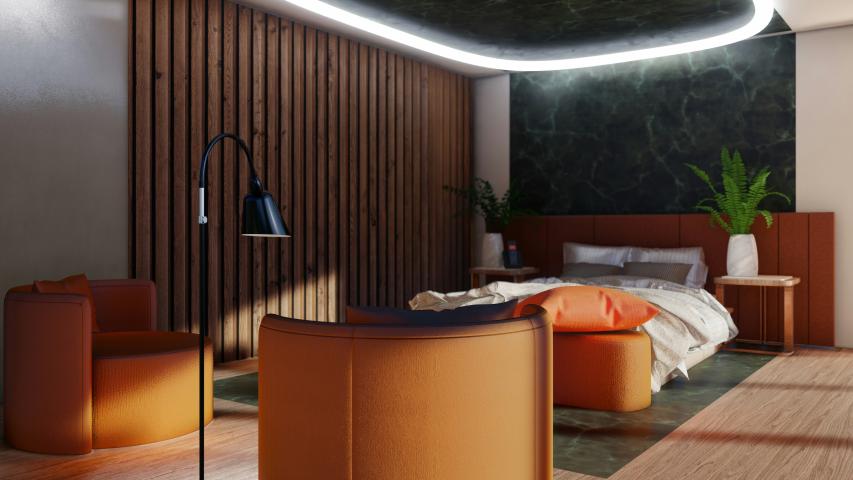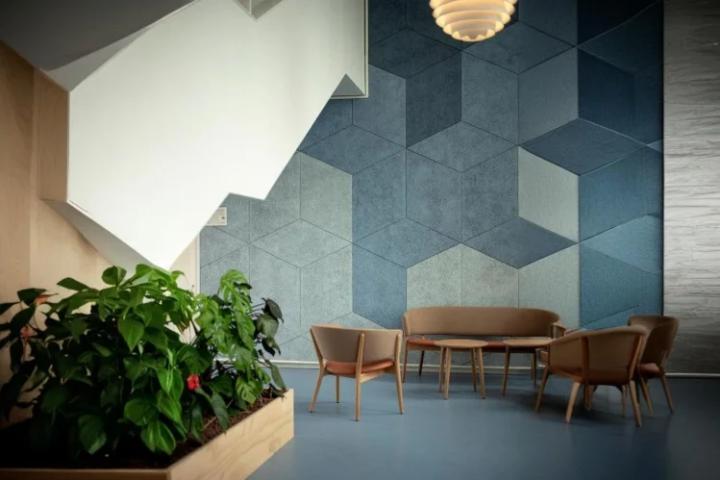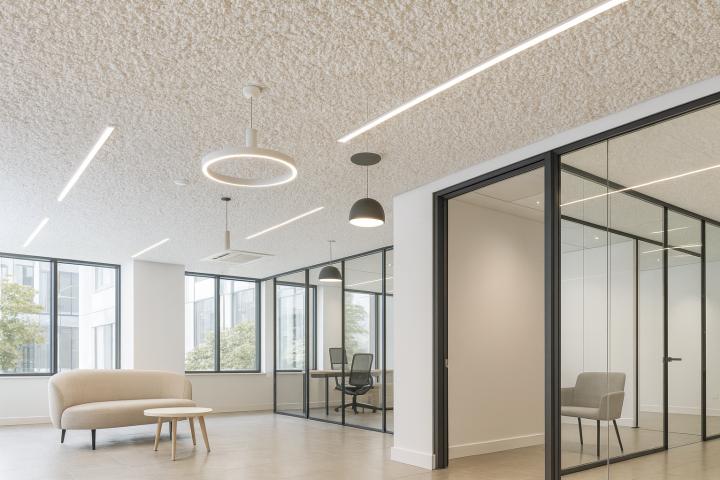

In contemporary interior environments, silence signifies sophistication. Designers and planners increasingly aim to enhance tranquility without diluting visual appeal. With materials like exposed cement, reflective surfaces, and expansive blueprints becoming widespread, sound reverberation grows problematic. Wooden acoustic panels present a stylish yet practical remedy. They go beyond basic absorption, refining a room’s tone and character.
Where Nature Balances Acoustics
Modern décor often features metal frames, expansive glass, and minimalist openness. While beautiful, these hard surfaces amplify sound. Voices blur. Distractions multiply. Wooden acoustic panels counteract this by infusing warmth and serenity. Their textured surfaces and organic shades introduce visual calm while muffling intrusive sounds.
The Structure Behind the Silence
Performance stems from more than just surface aesthetics. Each I H` contains an inner core, frequently composed of wool composites or eco-friendly fibers. Sound travels through delicate grooves or precision-drilled perforations on the outer wood layer. Once inside, acoustic vibrations are diffused or absorbed. This hidden functionality ensures a room feels acoustically balanced without intrusive machinery.
Adaptable Elegance Across Settings
Wooden acoustic panels aren’t bound by limited >
Managing Volume in High-Traffic Zones
Public interiors often bustle with background activity. From terminals to museums, clarity becomes a challenge. Wooden acoustic panels mitigate unwanted sound clutter. They soften footsteps, filter chatter, and clarify broadcasted messages. This not only improves communication but also elevates visitor comfort.
Supporting Focused Learning
Education thrives on intelligibility. In study areas and lecture theatres, students must hear instructors. Wooden acoustic panels dampen echoes and minimize distractions. By controlling sonic feedback, they allow learners to concentrate without strain. Focused listening enhances knowledge retention.
Enhancing Office Dynamics
Contemporary workplaces favor open layouts, promoting teamwork. Yet, noise from meetings, calls, and movement hampers concentration. Strategically placed wooden acoustic panels lessen disturbances. Whether overhead or along partitions, they form silent barriers, supporting productivity and mental clarity.
Elevating Dining Ambiance
Restaurants succeed when the atmosphere matches the cuisine. Overbearing background noise spoils the mood. Wood acoustic paneling helps retain intimacy in lively eateries. Sound absorption allows patrons to converse comfortably amid clinking cutlery and soft tunes. Diners feel more connected and engaged.
Personal Comfort at Home
In residential design, serenity plays a key role. Spacious living rooms or tiled hallways echo easily. Wooden acoustic panels help transform those sound-prone zones into tranquil retreats. Whether framing staircases or entertainment corners, their presence reduces disturbance without affecting aesthetics.
Restorative Energy in Wellness Centers
Spas and therapy hubs depend on peaceful surroundings. Wooden acoustic panels filter unwanted external noise while adding organic visual softness. Their presence supports healing energy and sensory balance. Even compact applications in quiet corners enrich relaxation experiences.
Shaping Brand Perception
Every organization wants to stand out. Wooden acoustic panels can be tailored—engraved, dyed, or sculpted—to reflect corporate identity. Whether matching logo aesthetics or aligning with brand color themes, they express personality while delivering acoustic benefits.
Commitment to Eco-Conscious Design
Responsible construction requires sustainable resources. Many wooden acoustic panels are produced from responsibly managed forests, non-toxic binders, and renewable materials. Their use supports green architecture initiatives and earns certifications for environmental stewardship.
Strength to Withstand Activity
Durability is essential in venues with heavy footfall. Wooden acoustic panels resist wear, retain form, and remain easy to maintain. Unlike paint or textile finishes, wood matures gracefully, offering both resilience and evolving charm.
Convenient Installation Options
From suspended ceilings to wall fixtures, mounting wooden acoustic panels is straightforward. Clip systems, adhesive backing, or track mechanisms make the process quick and flexible. Adjustments or replacements can be done without major effort, allowing interior evolution over time.
Crafting Architectural Expression
Design flourishes when dimensions vary. Flat surfaces limit expression. Wooden acoustic panels introduce visual depth, whether sculpted into waves, arranged in layers, or crafted into curves. Their three-dimensional presence enlivens spaces with movement and rhythm.
Creating Hospitality Havens
Guest experiences improve when sound levels are controlled. In hotels, wooden acoustic panels reduce corridor echoes, silence mechanical hums, and create restful suites. Combined with tasteful design, they help deliver a luxurious and quiet stay.
Designing with Purpose and Personality
Every space narrates a message. Through grain patterns, panel arrangement, and surface finishes, wooden acoustic panels help amplify that story. Be it a modern showroom or an upscale lounge, they guide emotional response, instilling calm, enhancing interaction, or inspiring contemplation.
Conclusion: Beauty That Whispers
Today’s interiors demand more than appearance—they need auditory balance. Wooden acoustic panels accomplish this quietly. Beyond their technical brilliance lies a natural charm. From calm homes to dynamic workspaces, they offer a seamless blend of performance and beauty. In environments where tranquility matters, these panels speak softly, yet powerfully. https://www.tranquilglobal.com/index.htmlM