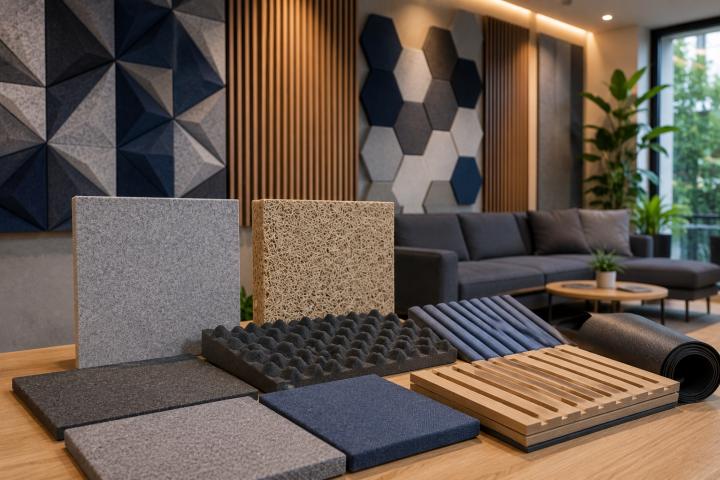
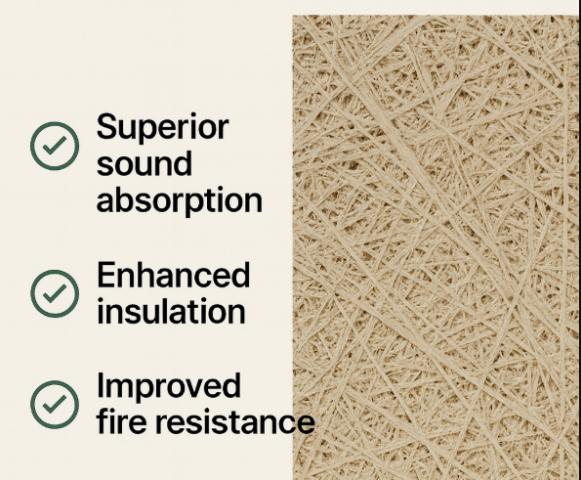
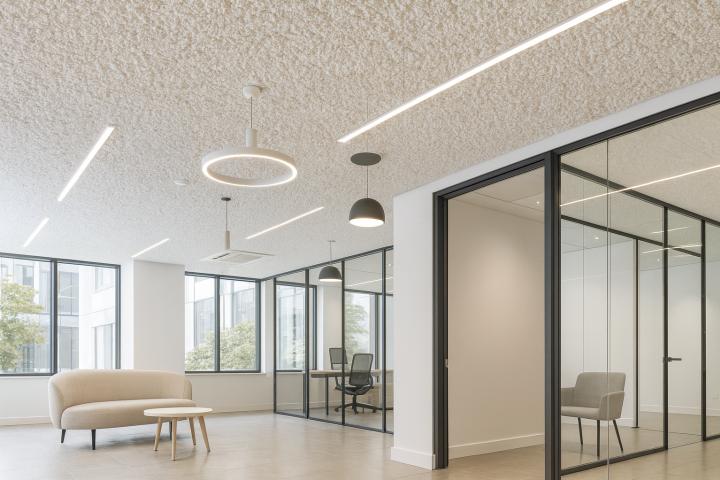
Step into any modern office, and you’ll notice a quiet transformation. The noisy hum once typical of shared spaces is being replaced with calmer, focused environments. The secret behind this change lies in one thing. This is none other than acoustic material. But with so many options available, which one works best for your office?
Let’s decode it through a unique lens: office zones. Different areas need different types of sound control. We’ll match each space with the ideal acoustic material to help you choose wisely.
The Open Workstation Zone
Open offices encourage collaboration, but they also come with distractions. Here, noise from calls, clicking keyboards, and casual chats can travel far.
Ideal Acoustic Material
Use lightweight acoustic sheet material overhead or above cubicle dividers. These reduce echo without visually blocking the space. Pair them with desk-mounted acoustic wall panels for direct absorption.
Why Does it Work?
It absorbs conversational frequencies and creates personal sound bubbles without physical barriers.
Meeting and Conference Rooms
These rooms demand speech clarity. Reverberation must be controlled, or voices get muffled and distorted.
Ideal Acoustic Material
Install ceiling-mounted tiles combined with acoustic panel material on the walls. For glass-heavy rooms, consider applying transparent acoustic material as a film or in laminated forms.
Supporting Insight
Studies show that optimized acoustic treatment can improve speech intelligibility by up to 45% in enclosed meeting environments. This significantly reduces communication fatigue and boosts meeting efficiency.
Private Cabins and Executive Rooms
These spaces require confidentiality. Voices shouldn’t leak through walls or doors, especially during sensitive discussions.
Ideal Acoustic Material
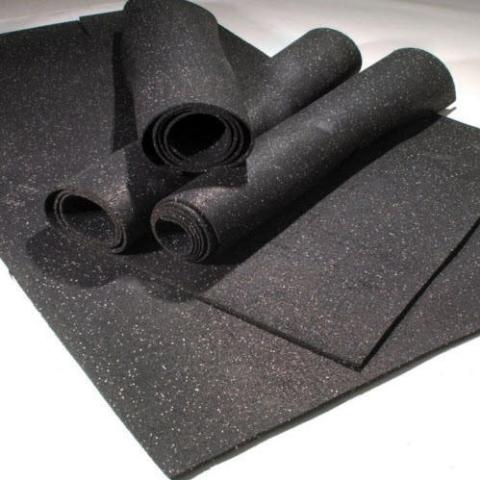
Use dense acoustic treatment materials inside wall cavities. Add door seals and floor barriers made from thick acoustic material to keep conversations inside.
Real-world Benefit
Well-insulated executive rooms prevent information leakage during HR meetings, strategic planning sessions, and client negotiations. This ensures that both privacy and professionalism are maintained without needing additional white-noise systems.
Phone Booths and Focus Pods
Designed for isolation, these compact areas need high absorption in a small space.
Ideal Acoustic Material
Go for thick, high-density acoustic panel material on all sides. This includes the ceiling, too. Many modular pods now include integrated acoustic material to simplify installation.
Design Insight
These pods often sit within open-plan offices. Their interiors must counteract external noise while maintaining a quiet internal environment. Prioritizing full-surface acoustic coverage ensures both incoming and outgoing sounds are effectively managed.
Reception and Lounge Areas
These areas need to look impressive while subtly handling background noise.
Ideal Acoustic Material
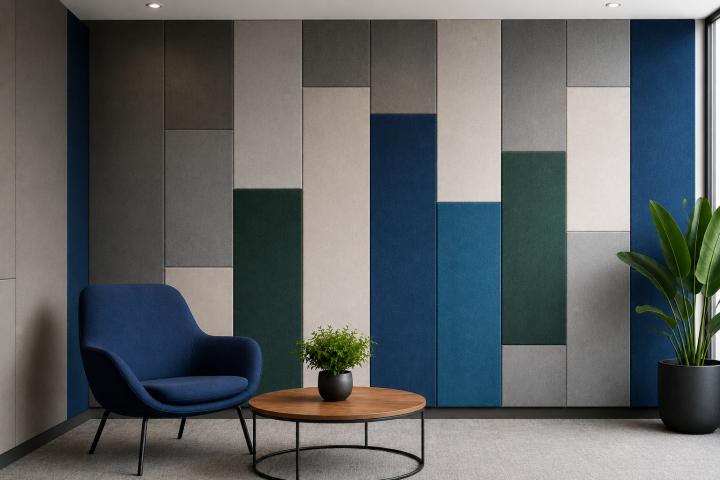
Choose decorative acoustic wall panels with custom prints or patterns. Hanging baffles made from soft acoustic sheet material can add >
User Experience Insight
Visitors experience less stress and perceive the space as more premium when noise levels are controlled subtly. This inspires them to stay longer, creates better first impressions, and smoother conversations at the front desk.
Mistakes to Avoid When Choosing Acoustic Material
Selecting the wrong acoustic material can lead to poor sound performance and wasted investment. Here are some frequent errors:
Ignoring Surface Area: A single panel won't treat a noisy room. You need strategic coverage.
Prioritizing Looks Only: Some materials look great but perform poorly.
Choosing the Wrong Density: A Light acoustic sheet material won’t block sound. It only absorbs certain frequencies.
Skipping the Ceiling: Overhead spaces reflect sound more than you think.
Always consult experts to match the right acoustic material with your office’s sound goals.
How to Measure Performance?
Don’t rely on guesswork. Look for tested ratings:
NRC (Noise Reduction Coefficient) tells you how much sound is absorbed.
STC (Sound Transmission Class) shows how much sound is blocked.
Whether you're choosing acoustic treatment materials for privacy or acoustic wall panels for open areas, performance ratings help you invest smartly.
Sustainability Matters Too
Modern offices prioritize eco-conscious choices. Look for acoustic material made from recycled PET, biodegradable fibers, or certified green components. These offer long-term performance while supporting environmental goals.
Mistakes You Can Avoid Today
Relying Only on Walls: Use ceilings and furniture-integrated designs.
Ignoring Door Gaps: They leak sound more than you think.
Picking Style Over Performance: Looks should complement function, not override it.
Skipping Low-Frequency Control: Most acoustic treatment materials absorb highs but miss the lows. Balance is essential.
Not Using Enough Surface Area: A single acoustic wall panel isn’t a fix—it’s a piece of the puzzle.
A Final Word: No One-Size-Fits-All
Every office has its own workflow, team structure, and architectural >acoustic material.
Whether you need sleek acoustic wall panels for aesthetics, flexible acoustic sheet material for ceilings, or layered acoustic treatment materials behind walls, the decision must reflect the specific purpose of each zone.
Need Expert Guidance?
Tranquil Global provides tailor-fit solutions for corporate spaces using high-performance acoustic material systems. Whether your office needs absorption, diffusion, or complete sound isolation, we help you choose the right products and install them the right way. Click here to know more: https://www.tranquilglobal.com/index.html