In the digital-first era, building applications that can handle growing user demand, high traffic, and evolving business needs is crucial. Scalability ensures that your web app performs well under stress, handles data efficiently, and provides a seamless experience to users—regardless of size. JavaScript, being the cornerstone of modern web development, plays a major role in crafting these scalable architectures. Let’s explore how the top JavaScript development companies achieve this.
What Is Scalable Web Architecture?
Scalable web architecture refers to a system’s ability to grow and adapt based on demand—whether that’s increased users, data volume, or complexity.
There are two types of scaling: vertical scaling (adding resources to a single server) and horizontal scaling (adding more servers). A scalable system doesn’t break under pressure; instead, it distributes tasks, optimizes performance, and maintains stability. For digital products, scalability means future-proofing your technology stack.
Scalability ensures that your app stays stable and responsive as it grows in users and features.
The Role of JavaScript in Scalable Architectures
JavaScript is one of the only languages used on both the client and server side, making it highly versatile in building scalable full-stack applications.
From handling frontend interactivity with frameworks like React to processing backend logic using Node.js, JavaScript allows for code reuse, improved collaboration, and efficient performance. This unified language stack simplifies architecture and streamlines development.
JavaScript powers scalability by enabling full-stack consistency and performance optimization across platforms.
Key Principles Followed by Top JavaScript Development Companies
Scalable architecture isn't built on code alone—it requires smart principles and discipline. Leading JavaScript development companies follow foundational best practices:
- Modular architecture: Breaking the app into independent, reusable components.
- Separation of concerns: Keeping data, logic, and presentation layers distinct.
- Stateless services: Minimizing session-based logic to ease scaling.
- Performance-first mindset: Building with monitoring and optimization from the beginning.
Top developers rely on clean, modular, and performance-aware architecture to ensure long-term scalability.
Backend Architecture with Node.js
Node.js is the backend engine of choice for many scalable JavaScript solutions due to its non-blocking, event-driven model.
JavaScript development companies use Node.js to handle thousands of concurrent connections with low overhead. Whether using a monolithic or microservices architecture, Node.js supports high availability and fault tolerance. Microservices also allow independent scaling, better fault isolation, and faster deployments.
Node.js enables efficient, scalable server-side applications by leveraging asynchronous, event-driven programming.
Frontend Architecture for Scalability
Scalable frontend architecture is as crucial as the backend. It involves structuring code and UI components to accommodate new features without rewriting large portions.
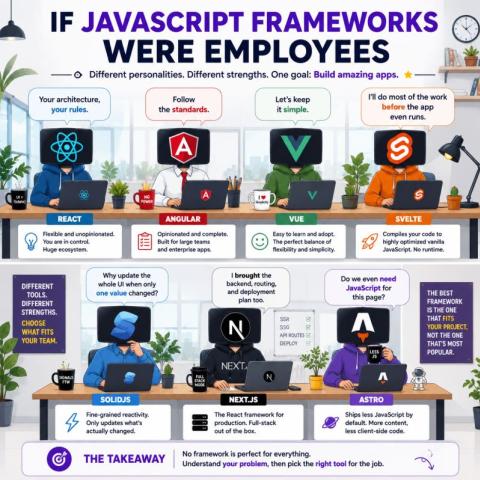
Modern frontend frameworks like React, Vue, and Next.js allow component reuse, lazy loading, and code splitting. These techniques improve performance and user experience. Companies often implement a design system or shared component library for consistency across large projects.
Frontend scalability means better maintainability, faster performance, and consistent design at scale.
Database Strategies for Scaling
The database layer can become a bottleneck if not handled properly. Top JavaScript development companies employ robust data strategies:
- NoSQL (MongoDB) for flexible, high-speed document storage.
- Relational databases like PostgreSQL for structured data and complex queries.
- Caching layers (Redis, Memcached) to reduce DB load.
- Replication and sharding for distributed data and load balancing.
Database scalability ensures smooth data flow, even during spikes in user activity or data volume.
APIs and Communication
A scalable app needs an efficient way to communicate internally and externally. REST and GraphQL APIs are commonly used in JavaScript stacks.
Top JavaScript companies implement API rate limiting, versioning, and API gateways to manage traffic and security. GraphQL allows clients to fetch only the data they need, reducing payload sizes and increasing flexibility.
Scalable API architecture improves communication efficiency and secures the application infrastructure.
DevOps, CI/CD & Monitoring Tools
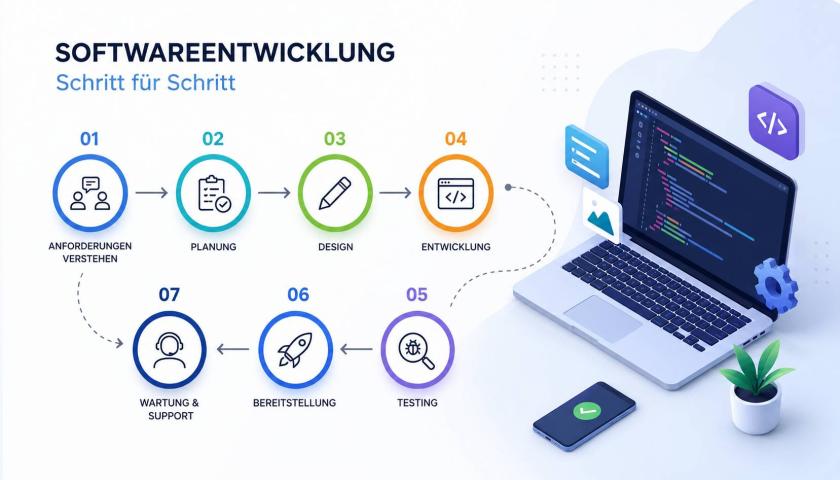
Building is only half the journey—deploying and maintaining it at scale is the other half. DevOps practices ensure that scalable applications remain stable and performant.
JavaScript teams implement CI/CD pipelines (using GitHub Actions, GitLab CI, Jenkins) to automate testing, building, and deployment. They also monitor real-time metrics with tools like New Relic, Sentry, and LogRocket to catch issues early and track performance.
DevOps and monitoring are essential for scaling fast without compromising stability and user trust.
Case Studies from Top JavaScript Development Companies
Let’s look at how real-world JavaScript apps scale effectively:
- Netflix: Uses Node.js for server-side logic, allowing them to handle billions of requests every day.
- PayPal: Migrated to Node.js and saw 35% faster response times and reduced costs.
- LinkedIn: Improved mobile app performance after switching from Ruby to Node.js.
These examples highlight the practical benefits of building scalable architecture using JavaScript.
Successful JavaScript-driven platforms demonstrate that scalability is achievable with smart tooling and architecture.
Common Scalability Challenges and How Experts Overcome Them
Scaling comes with hurdles:
- Memory leaks or blocked event loops in Node.js.
- Poor frontend rendering performance due to heavy JavaScript.
- Unscalable DB queries causing bottlenecks.
Top JavaScript companies address these with regular profiling, lazy loading, query optimization, and splitting services into smaller, deployable units. Automation, testing, and thorough documentation support these solutions.
Scalability issues are common but manageable with the right tools, processes, and developer experience.
Final Thoughts
Scalability is a mindset as much as it is a technical challenge. JavaScript—thanks to its flexibility and ecosystem—makes it easier to build scalable solutions for businesses of all sizes.
By following the architectural practices of top JavaScript development companies, you can ensure your application remains performant, maintainable, and prepared for future growth.
Frequently Asked Question's
What makes JavaScript ideal for scalable applications?
Its full-stack capabilities, modular frameworks, and event-driven backend (Node.js) make it ideal for scalable development.
Can Node.js handle enterprise-level applications?
Yes, companies like PayPal and LinkedIn use Node.js at scale to manage millions of users.
How do JavaScript companies ensure performance under load?
They use load balancing, caching, CDNs, and performance monitoring tools to keep systems responsive.
What are the risks of poor architecture planning?
You may face performance issues, high downtime, difficulty adding features, and increased maintenance costs.