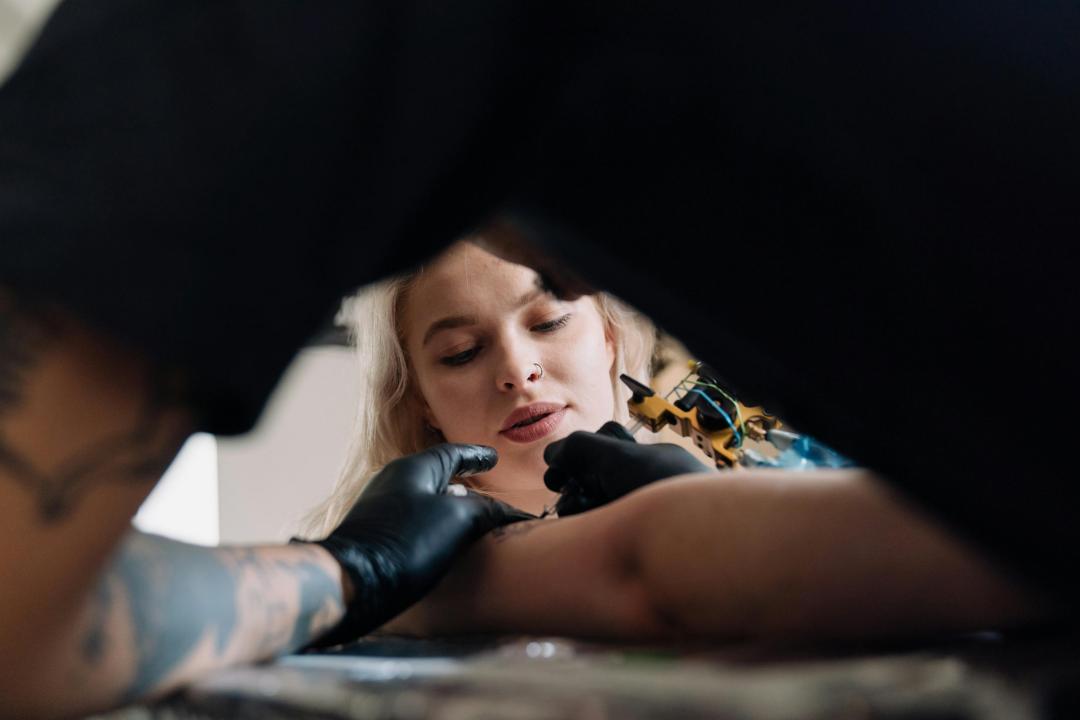

You might have solid line work and a killer portfolio, but if you can’t handle a client consultation or take feedback from your mentor, your apprenticeship won’t last long.
Tattooing is a client-facing, trust-driven profession, and shops care just as much about your attitude and communication as your technical skills. Here are the most important soft skills every apprentice needs to build starting on day one.
1. Professionalism
Tattoo shops are businesses and you’re representing their name.
Show up early
Keep your phone away while working
Dress appropriately (clean, neutral clothes)
Don’t argue with staff or clients
How you carry yourself in the studio matters more than you think. Your mentor is always watching.
2. Listening & Taking Feedback
You’re going to make mistakes. Lots of them. How you handle critique will define your growth.
- Don’t get defensive listen and ask follow-up questions
- Apply feedback immediately
- Thank your mentor, even when it’s tough to hear
Tattoo mentors aren’t sugarcoating things they’re preparing you for real clients and real pressure.
3. Client Communication
As an apprentice, you’ll eventually be trusted to talk with clients. Even before you tattoo, you might help with:
- Booking consultations
- Answering basic questions about aftercare or pricing
- Explaining the difference between walk-ins and custom work
- Managing expectations for design size or placement
Polite, clear, and honest communication builds trust and loyal clients.
4. Staying Calm Under Pressure
Tattoo shops can be chaotic: buzzing machines, walk-ins waiting, artists multitasking. You’ll face:
- Time pressure
- Last-minute design changes
- Nervous or difficult clients
- Watching an artist redo your work
The ability to stay calm, adapt quickly, and keep learning will help you survive the toughest days in the shop.
5. Respect & Humility
Some apprentices come in with big egos and get sent out just as fast.
- Respect every artist’s process, even if it’s not your >
- Don’t interrupt appointments unless it’s urgent
- Clean up after others if needed yes, even the bathroom
- Always credit your mentor for their guidance
A humble attitude shows you’re there to learn, not show off.
6. Time Management
Juggling drawing assignments, cleaning duties, and observation time is part of the apprentice life.
- Stick to deadlines for portfolio updates
- Create a sketch routine you can sustain
- Be ready when your mentor calls you over don’t make them wait
Treat it like a job from day one.
You’re Not Just Training to Tattoo You’re Training to Be Trusted
Tattoo shops want more than talent. They want apprentices who can work hard, stay respectful, and grow into reliable professionals.
Also Read : Tattoo Hygiene & Safety Basics Every Apprentice Must Know