For importers and startups entering the travel gear market, sourcing wholesale travel backpacks requires more than simply finding a low-cost supplier. Whether you’re planning to build a brand or distribute to retailers, aligning with the right vendor impacts your quality, timelines, and long-term profitability.
This guide offers practical tips on evaluating and working with travel backpack manufacturers and suppliers — helping you navigate sourcing, sampling, capacity planning, and supplier communication. Whether you're sourcing locally or overseas, understanding what to look for will streamline your supply chain and strengthen your brand position in a competitive market.
Define Your Product Requirements Clearly
Before you even begin vendor outreach, you need to be specific about what kind of travel backpacks you're sourcing. There’s a wide range — from minimalist carry-ons to multifunctional trekking packs. Be clear about volume size, materials, features, and the intended end user (e.g., commuters, hikers, or tourists).
A well-defined product spec sheet helps suppliers quickly assess whether they can meet your needs. This includes dimensions, preferred materials (such as waterproof nylon or recycled fabrics), pocket configuration, closures, and weight. The more detailed you are upfront, the easier it is to filter out incompatible vendors and get accurate quotes.
Evaluate Supplier Capabilities Based on Use Case
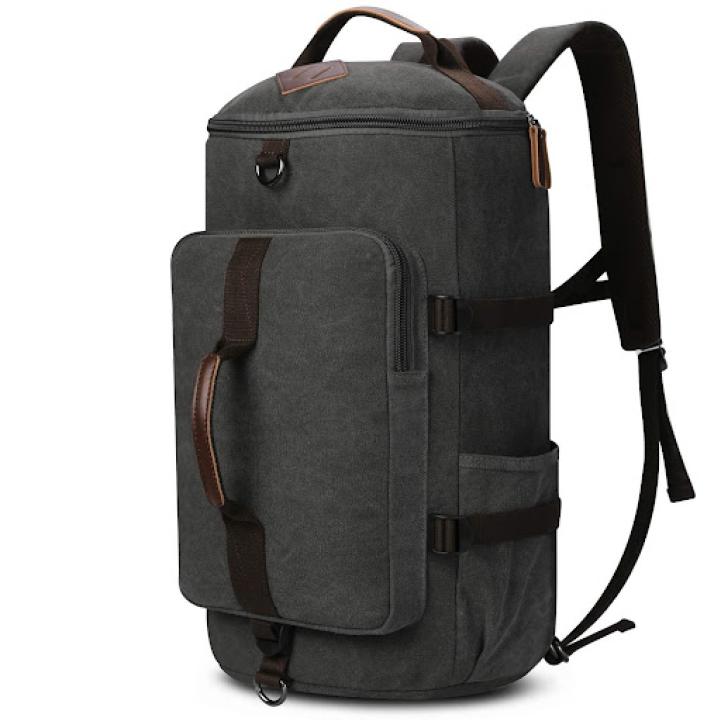
Travel backpacks often include specialized features — compression straps, laptop sleeves, water bottle holders, or anti-theft zippers. Ensure the factory you’re considering has prior experience producing this type of product, not just generic backpacks.
Request samples or review their past projects to confirm capability. Some factories may focus on basic school bags, while others are more experienced in complex stitching, ergonomic design, or luggage-grade durability. You want a supplier whose production processes align with your specific functionality requirements.
Understand Material Quality and Durability
For travel gear, durability and comfort are non-negotiable. Ensure vendors can source and work with robust materials like ripstop nylon, polyester blends, or eco-conscious fabrics. Components like zippers, buckles, and linings also need scrutiny — as these are common failure points under frequent use.
Ask for details on their material suppliers and if they offer fabric testing for waterproofing, abrasion resistance, or UV exposure. If sustainability is important to your brand, confirm they can access recycled materials or meet relevant certifications (like GRS or OEKO-TEX).
Review Sampling Procedures and Customization Options
Before placing a bulk order, request production-ready samples. This allows you to test construction quality, comfort, and aesthetics in real-world conditions. Sampling also confirms if the factory can accurately follow your design brief.
Check if vendors can support customization needs — like private labeling, color changes, logo embroidery, or OEM designs. Some factories also offer ODM models that can be rebranded with minor adjustments. Choose one that can adapt to your brand’s identity and provide room for design flexibility over time.
Confirm Certifications and Manufacturing Standards
Reliable manufacturers will comply with global quality and safety standards. For travel backpacks, you may not need extensive certifications, but some key standards signal professionalism. Look for ISO 9001 for quality management, or WRAP and BSCI for ethical manufacturing.
Ask the vendor if they conduct internal quality checks at each production stage — such as fabric cutting, stitching, and final packaging. A factory with structured QA procedures will help reduce product returns and quality complaints after distribution.
Clarify Wholesale Pricing and Cost Breakdown
Transparency in pricing is key when negotiating bulk orders. Ask for a breakdown of costs — including unit price, customization fees, packaging, shipping, and any applicable taxes or export charges. This will help you compare vendors fairly and budget accurately.
Make sure you understand the pricing tiers. Many vendors offer discounted rates as volumes increase. Negotiate based on future scaling potential, and lock in favorable terms for reorders. Avoid vendors who are vague or inconsistent about cost structures.
Discuss Minimum Order Quantities and Scalability
Every supplier has a MOQ — minimum order quantity — which varies based on design complexity and material usage. Make sure the factory’s MOQ matches your launch capacity. Some suppliers may offer lower MOQs for first orders but raise them for reorders.
If you’re planning to scale your brand, ask about their upper capacity limits. Can they handle 5,000+ units per month? Do they outsource production when volumes increase? Clarify these points early to avoid supply chain disruptions as your business grows.
Assess Lead Times and Shipping Logistics
Reliable delivery timelines are critical in wholesale. Ask vendors about their average lead time for sampling and production, and whether this changes during peak seasons. Also, confirm their standard shipping methods — sea freight, air cargo, or courier services.
If sourcing internationally, ensure the supplier understands your country’s import rules, labeling regulations, and customs documentation. Some experienced vendors can even assist with DDP (Delivered Duty Paid) shipping or recommend freight forwarders to simplify logistics.
Prioritize Communication and Support
Vendors who offer clear, prompt communication are easier to work with long term. Startups benefit from suppliers who provide regular updates, reply in a timely manner, and share production milestones or challenges.
Check if they offer bilingual support or a sales team fluent in your language. This helps avoid miscommunication on specs, timelines, or pricing. A responsive vendor builds confidence, especially when handling larger or repeat orders across borders.
Request Factory Visits or Virtual Tours
If possible, visit the factory in person or ask for a virtual video tour. Seeing the actual production setup gives insight into cleanliness, employee conditions, equipment quality, and workflow efficiency. It also helps verify that they are not outsourcing production without disclosure.
If a visit isn’t possible, request a detailed walk-through via Zoom or photos of their workstations and storage areas. A transparent vendor will be willing to show how your products are made, packaged, and shipped — giving you more control over your supply chain.
Monitor Quality Through Testing and Inspections
Before shipping, ask whether they conduct internal testing on components like straps, buckles, or zippers. Travel backpacks need to endure weight, friction, and frequent handling. Request drop tests or load-bearing tests if possible.
Third-party pre-shipment inspections are also useful. You can hire firms to check a random batch of your order to ensure specs match the approved sample. This safeguards your order before it leaves the factory and reduces potential return issues after delivery.
Align on Payment Terms and Contracts
Discuss payment methods upfront — common options include T/T (bank transfer), PayPal, or escrow for initial orders. Some vendors accept a 30/70 split (30% deposit, 70% after inspection), which balances risk.
Use written contracts or purchase agreements that outline product specs, order volumes, lead times, and penalties for delays or defects. This creates accountability on both sides and avoids misunderstandings that could affect delivery or quality.
Consider Long-Term Vendor Relationships
Don’t treat your supplier as just a transaction. Building a long-term relationship with a reliable manufacturer can bring cost benefits, faster lead times, and priority during high-demand seasons. Some may even co-develop new designs with you or offer flexible MOQs based on loyalty.
Good vendors also improve over time. With each production cycle, they’ll better understand your brand, quality expectations, and preferred workflow — making future orders smoother and more efficient.
Conclusion
Working with wholesale travel backpack vendors is a multi-step process that requires careful evaluation. From product clarity and customization to quality control and long-term scalability, each factor influences your sourcing success. By focusing on vendor transparency, production capability, and alignment with your business goals, you’ll establish a stronger foundation for a sustainable and scalable backpack brand.
Whether you're an importer sourcing in bulk or a startup entering the travel accessories space, choosing the right supplier is your first step toward building a trusted, reliable supply chain.