In today’s competitive and highly regulated industries, validation equipment plays a crucial role in maintaining product quality, meeting compliance standards, and ensuring operational efficiency. Whether in pharmaceuticals, biotechnology, medical devices, or food production, companies rely on this equipment to verify that processes, systems, and products consistently deliver the expected results.
What is Validation Equipment?
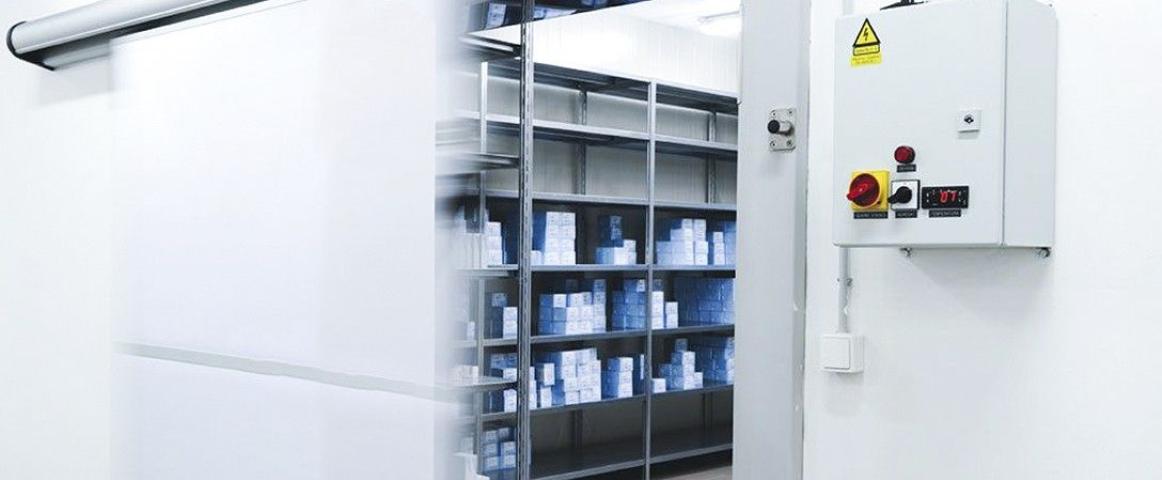
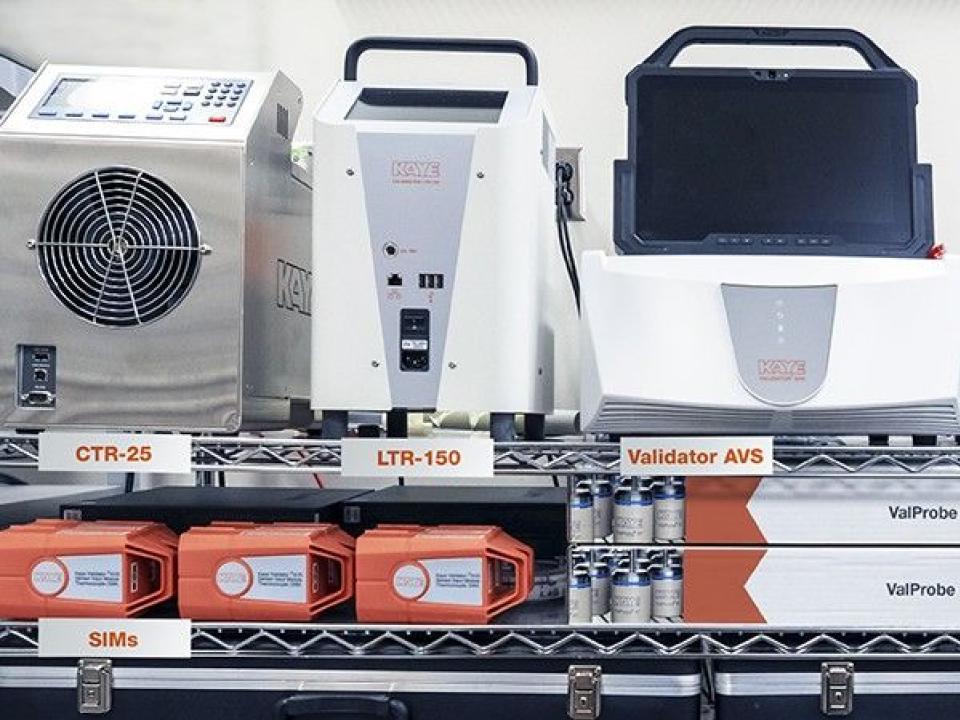
Validation equipment refers to specialized tools and instruments used to test, measure, and verify that a process or system performs within the defined parameters. This could include temperature mapping devices for storage facilities, pressure calibration tools for manufacturing systems, or particle counters for cleanroom environments. The goal is to ensure that every step in production meets regulatory requirements such as FDA, EMA, or ISO standards.
For example, in pharmaceutical manufacturing, validation equipment helps confirm that machinery maintains sterile conditions, the correct dosage is delivered, and packaging remains tamper-proof. In food processing, it ensures that storage and transport conditions maintain safety and quality.
Why Validation Equipment is Important
The importance of validation equipment extends beyond compliance. It directly impacts product safety, customer trust, and operational reliability. If processes are not validated, the risk of defective products, safety hazards, and costly recalls increases dramatically.
Regulatory agencies demand thorough validation to protect consumers and ensure that companies meet industry-specific standards. Using advanced validation equipment helps manufacturers provide documented proof that their systems are consistently performing as intended.
Types of Validation Equipment
Different industries require different types of validation equipment. Some common categories include:
- Environmental Monitoring Devices – Such as temperature and humidity sensors to ensure controlled environments.
- Calibration Tools – Instruments that verify machinery is operating within set specifications.
- Data Loggers – Devices that continuously record environmental data for audit purposes.
- Pressure and Flow Meters – Used to check that manufacturing systems meet operational parameters.
- Cleanroom Validation Equipment – Particle counters and air quality monitors to ensure contamination control.
Each type of validation equipment is designed for specific applications, and selecting the right tools depends on the regulatory environment and operational needs.
Choosing the Right Validation Equipment
When selecting validation equipment, businesses must consider accuracy, durability, ease of calibration, and compliance with industry standards. Investing in high-quality equipment ensures reliability and reduces downtime caused by malfunctions or inaccurate readings.
Additionally, training staff to properly use and maintain validation equipment is just as important as purchasing the right tools. Without proper operation and maintenance, even the best equipment cannot deliver reliable results.
The Future of Validation Equipment
As industries embrace automation, AI, and the Internet of Things (IoT), validation equipment is evolving to become more intelligent and connected. Modern devices can provide real-time monitoring, remote access to validation data, and predictive maintenance alerts. This not only improves efficiency but also ensures compliance is continuously maintained.
Conclusion
Validation equipment is a cornerstone of quality assurance across many industries. By ensuring that processes and systems work as intended, it protects consumers, meets regulatory demands, and supports operational excellence. Businesses that invest in reliable validation equipment not only safeguard their reputation but also create a foundation for long-term success in a competitive market.