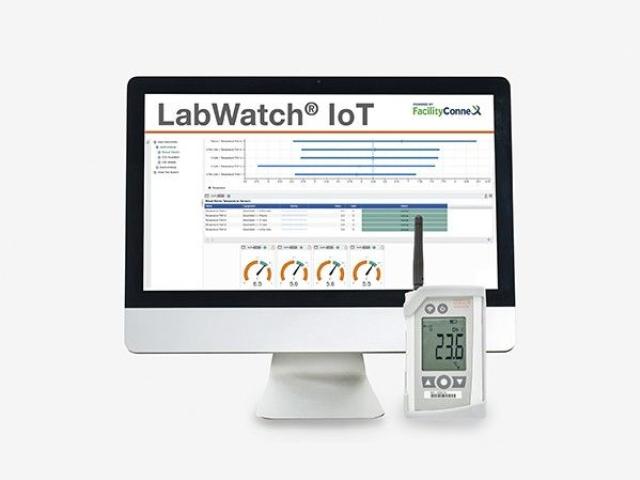
In today’s data-driven world, businesses and institutions are increasingly relying on advanced technology to maintain safety, efficiency, and compliance. Two of the most impactful innovations in this space are the Facility Monitoring System and the IoT Monitoring System. Together, they provide real-time oversight, enabling organizations to optimize performance while minimizing risks.
Understanding a Facility Monitoring System
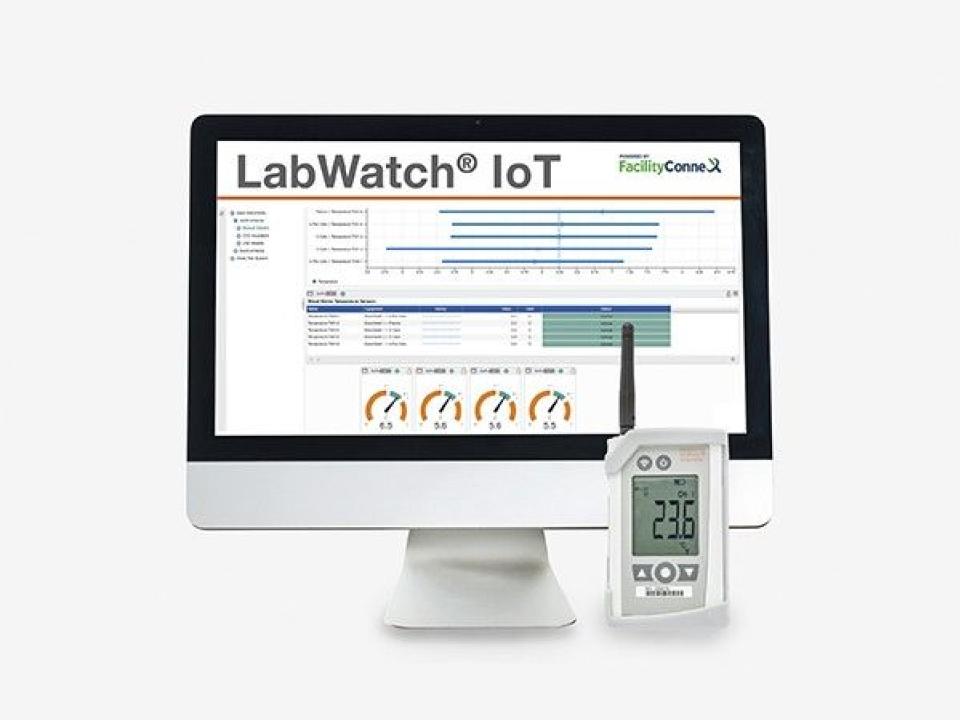
A Facility Monitoring System is a centralized solution designed to oversee various environmental and operational parameters within a facility. It continuously tracks factors such as temperature, humidity, air quality, lighting, energy usage, and security. This system ensures that the facility operates within predefined conditions, meeting both operational needs and regulatory standards.
For example, in pharmaceutical manufacturing, a facility monitoring system might ensure that cleanrooms maintain specific temperature and humidity ranges. In data centers, it can track cooling performance to prevent overheating of servers. By integrating sensors and automated alerts, these systems allow facility managers to address issues before they escalate into costly problems.
The Role of IoT Monitoring Systems
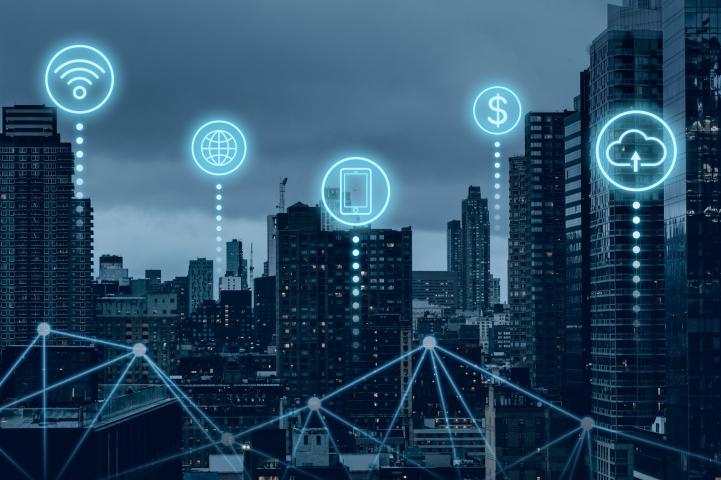
An IoT Monitoring System builds upon the principles of facility monitoring but leverages the Internet of Things to connect multiple devices, sensors, and systems for a more dynamic and scalable approach. Through IoT-enabled devices, data from different sources is collected, processed, and analyzed in real time, often accessible from cloud-based dashboards.
With an IoT monitoring system, organizations can track parameters from remote locations, integrate predictive maintenance capabilities, and even use AI to forecast potential issues. For instance, in smart buildings, IoT monitoring can automatically adjust lighting and HVAC systems based on occupancy patterns, reducing energy waste.
How They Work Together
While a facility monitoring system focuses on managing environmental and operational conditions within a building, an IoT monitoring system extends these capabilities by adding remote accessibility, automated analytics, and cross-platform integration. The combination enables a facility to be both highly monitored and highly adaptive.
For example, a manufacturing plant might use a facility monitoring system to maintain optimal conditions for machinery and production lines. At the same time, an IoT monitoring system could provide real-time data to offsite managers, allowing them to make adjustments on the fly based on operational trends.
Benefits of Implementing These Systems
- Real-Time Data Access – Both systems provide up-to-the-minute insights, ensuring swift decision-making.
- Cost Savings – Preventive alerts help reduce energy consumption, equipment downtime, and maintenance costs.
- Regulatory Compliance – Accurate data logs make it easier to meet industry regulations and standards.
- Enhanced Safety – Constant monitoring ensures that facilities remain within safe operating conditions.
- Scalability – IoT monitoring system can easily integrate with additional devices as the facility expands.
The Future of Facility and IoT Monitoring
With advancements in AI, edge computing, and 5G connectivity, both facility monitoring systems and IoT monitoring systems are becoming more intelligent and proactive. Instead of simply reacting to problems, they will predict and prevent them, leading to greater operational resilience.
Conclusion
A facility monitoring system ensures that your building operates within optimal conditions, while an IoT monitoring system extends this capability into a fully connected, data-driven environment. Businesses that embrace these technologies can expect improved efficiency, reduced costs, and a safer, more compliant operation—essential advantages in today’s fast-paced industrial landscape.