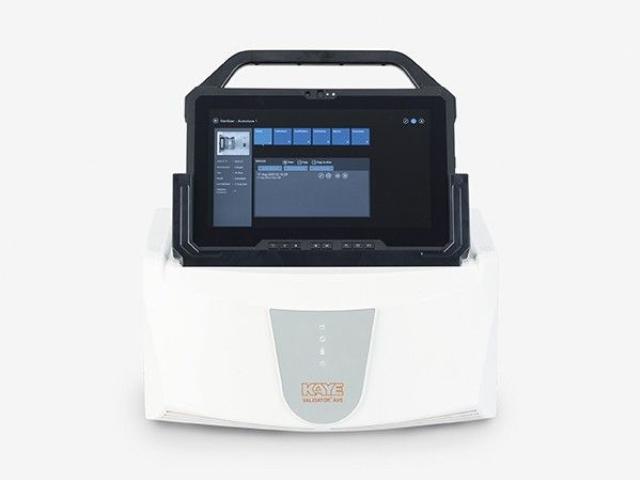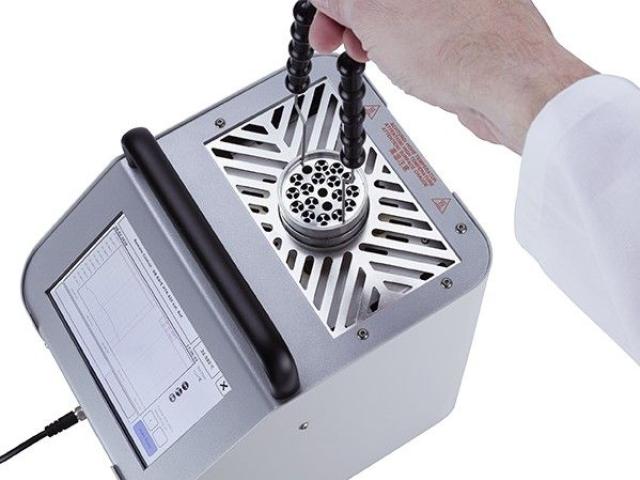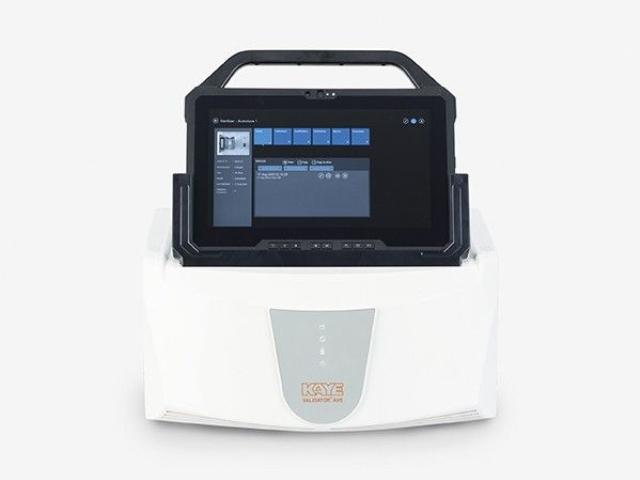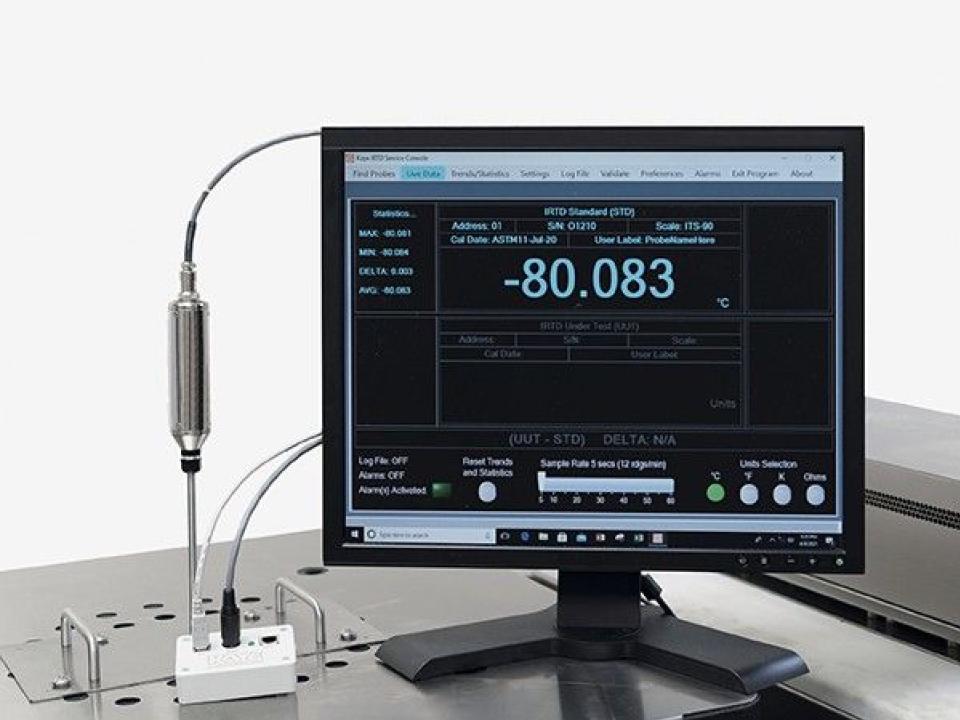
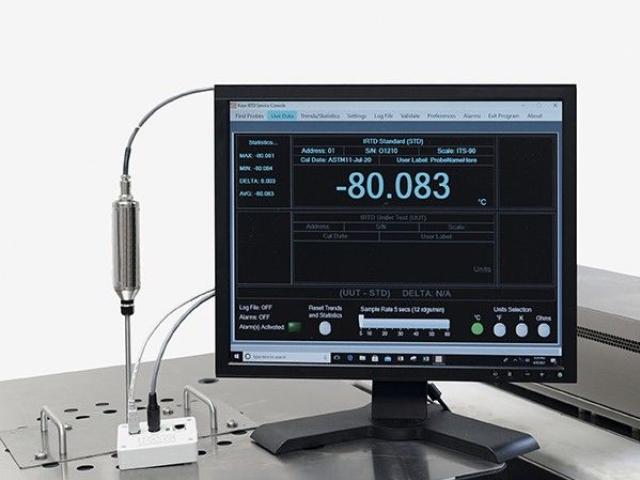
Accurate temperature measurement is essential across various industries, from pharmaceuticals and food processing to aerospace and manufacturing. At the heart of reliable temperature calibration lies the temperature reference standard—a benchmark tool or device used to verify and ensure that temperature measuring instruments perform within specified tolerances.
What is a Temperature Reference Standard?
A temperature reference standard is a highly accurate and stable temperature-measuring instrument or sensor, often certified by a recognized metrology laboratory. It serves as a reference point for calibrating other temperature devices such as thermocouples, resistance temperature detectors (RTDs), digital thermometers, and infrared sensors.
These standards are designed to meet rigorous accuracy requirements and are traceable to national or international metrology institutes, ensuring consistency across global measurement systems.
Importance of a Temperature Reference Standard
Using a temperature reference standard is critical for maintaining quality, compliance, and safety in temperature-dependent processes. Industries regulated by bodies such as the FDA, ISO, or GMP must routinely verify and document the accuracy of their temperature-measuring instruments. Without a reliable reference standard, there’s a risk of incorrect readings, leading to compromised product quality or safety issues.
For example, in pharmaceutical manufacturing, temperature deviations during production or storage could affect the efficacy of medicines. Similarly, in food processing, maintaining correct temperatures is crucial to preventing spoilage and ensuring food safety.
Characteristics of a Good Temperature Reference Standard
A high-quality temperature reference standard typically possesses the following attributes:
- High Accuracy – Minimal uncertainty to ensure precise calibration.
- Stability – Ability to maintain consistent performance over time.
- Traceability – Calibration records traceable to recognized standards such as NIST or UKAS.
- Durability – Resistant to environmental conditions during use.
- Compatibility – Suitable for a wide range of calibration setups and instruments.
Types of Temperature Reference Standards
Different types of temperature reference standards exist to meet specific applications:
- Platinum Resistance Thermometers (PRTs) – Known for high stability and accuracy.
- Thermocouples – Suitable for high-temperature applications.
- Digital Reference Thermometers – Easy to use with quick response times.
- Fixed-Point Cells – Provide the most precise calibration points using the melting or freezing points of pure substances.
Applications in Industry
The temperature reference standard is widely used in:
- Calibration Laboratories – To certify industrial thermometers and sensors.
- Manufacturing Plants – For routine verification of process control instruments.
- Research Institutions – To ensure accuracy in temperature-dependent experiments.
- Quality Control Departments – To meet compliance and audit requirements.
Maintaining and Calibrating the Reference Standard
Even the most accurate temperature reference standard requires periodic recalibration to ensure it remains within its specified accuracy range. This process should be conducted by accredited calibration laboratories and documented for regulatory compliance.
Conclusion
A temperature reference standard is an essential tool for ensuring accuracy, consistency, and compliance in temperature measurement. By integrating it into regular calibration routines, organizations can safeguard product quality, improve operational efficiency, and maintain trust with customers and regulators alike. In any industry where temperature matters, the temperature reference standard is the foundation of measurement reliability.