
The Traditional Challenges of Business Valuation
For decades, valuing a business was an intricate process that demanded extensive manual effort, human expertise, and time. Business owners often relied on spreadsheets, financial statements, and industry benchmarks to calculate what their company was worth. While these methods worked, they were far from perfect. Traditional business valuation services required consultants to gather historical financial data, compare it with industry peers, and make assumptions about future performance. This process could take weeks or even months, depending on the complexity of the business.
However, the challenges were not just about time. Human-driven valuations were vulnerable to inconsistencies and bias. Two business valuation consultants might look at the same financial data yet arrive at slightly different conclusions, depending on their chosen methodology or assumptions. Additionally, valuations often focused heavily on past performance without capturing fast-changing market dynamics, customer behaviors, or external economic influences. As a result, the outcomes sometimes lacked the precision modern businesses demand.
For small and mid-sized companies, cost was another major hurdle. Hiring professional consultants for a detailed valuation was expensive, making it difficult for these businesses to access accurate insights unless a merger, acquisition, or investment was imminent. In short, the traditional system was resource-intensive, slow, and sometimes outdated by the time the valuation was completed.
This is where artificial intelligence and digital technology step in. By leveraging automation, advanced analytics, and big data, modern business valuation services can overcome these challenges. Technology is not replacing consultants; instead, it is equipping them with more powerful tools to produce accurate, real-time insights that reflect the realities of today’s business environment.
AI-Powered Accuracy and Speed
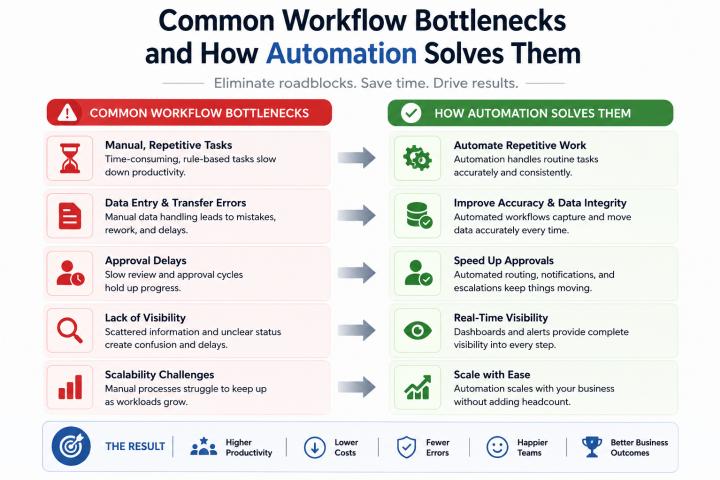
Artificial intelligence has fundamentally changed how businesses are valued. Traditional methods often required consultants to manually comb through financial reports, market research, and operational data to assess a company’s worth. With AI, much of this heavy lifting is automated. Algorithms can quickly process massive volumes of structured and unstructured data, identify patterns, and generate valuation models in a fraction of the time it would take a human. This has revolutionized the way business valuation services are delivered.
The most significant benefit is accuracy. AI can draw insights not only from financial statements but also from real-time external data such as customer sentiment, competitor performance, supply chain risks, and macroeconomic indicators. These variables were previously overlooked or difficult to quantify in traditional valuations. By incorporating them, AI-driven models provide a more holistic and forward-looking assessment of a business’s true value.
Speed is another critical advantage. What once took weeks can now be accomplished in days or even hours. This allows business valuation consultants to provide timely advice for critical decisions such as mergers, acquisitions, or investment pitches. For fast-growing startups, where valuations need frequent updates to reflect rapid change, AI ensures that business owners and investors are never working with outdated figures.
Another key aspect is predictive analytics. Instead of only analyzing historical performance, AI systems can forecast future outcomes with remarkable precision by learning from historical data trends. This gives consultants a stronger foundation to advise business owners on growth strategies, risk management, and long-term planning.
In essence, AI is not just about faster calculations; it’s about producing smarter, more reliable insights. This shift ensures that business valuation services are more relevant, practical, and aligned with the complexities of the modern business world.
Technology Enhancing the Role of Consultants
While AI and technology bring automation and efficiency, the role of business valuation consultants is far from diminished. In fact, their expertise becomes even more valuable in a technology-driven environment. Machines excel at processing large amounts of data, but they lack the human ability to contextualize findings, understand nuances, and provide strategic recommendations. This is where consultants step in.
For example, an AI-driven tool might indicate that a company’s value is declining due to falling customer sentiment. However, only an experienced consultant can interpret whether that decline is temporary, caused by seasonal factors, or part of a larger trend requiring a shift in strategy. Human judgment ensures that valuation outcomes are not just numbers but meaningful insights that business owners can act upon.
Moreover, consultants bring a layer of credibility to business valuation services. Investors, banks, and stakeholders often prefer to rely on valuations conducted or validated by trusted professionals rather than purely automated systems. Technology provides the data, but consultants provide the assurance and confidence needed for high-stakes decisions like acquisitions or raising capital.
Technology also allows consultants to focus on higher-value tasks. Instead of spending hours on data entry or financial modeling, consultants can dedicate more time to advising clients on strategic matters such as expansion, restructuring, or exit planning. By combining AI-driven analytics with human expertise, businesses get a hybrid model that maximizes both efficiency and depth of understanding.
In short, rather than replacing consultants, technology elevates their role. By enhancing productivity and accuracy, digital tools empower business valuation consultants to deliver more comprehensive, actionable, and future-focused guidance to their clients.
The Future of Business Valuation Services
The transformation of business valuation services is only just beginning. As AI, automation, and big data continue to evolve, the way businesses are valued will become even more sophisticated. One emerging area is blockchain, which could revolutionize transparency and trust in valuations. With blockchain, financial records can be stored in secure, tamper-proof ledgers, giving consultants and investors greater confidence in the accuracy of underlying data.
Another promising development is the rise of cloud-based platforms that allow for collaborative, real-time valuation. Business owners, consultants, and investors can work together seamlessly on shared dashboards, reducing communication gaps and speeding up decision-making. This integration ensures valuations are always up-to-date and accessible from anywhere.
Predictive analytics will also take center stage. Rather than simply reporting current value, future business valuation services will increasingly forecast potential scenarios, highlighting risks and opportunities before they occur. Consultants can use these insights to help clients prepare for changing market conditions, customer demands, or regulatory shifts.
For business valuation consultants, these advancements mean they can expand their roles beyond traditional valuation. They will become strategic advisors, helping businesses not only understand their worth but also optimize it. Technology will provide them with deeper insights into operations, customer behavior, and market positioning, enabling more informed and actionable guidance.
Ultimately, the future of business valuation lies in a partnership between AI and human expertise. Technology will continue to drive efficiency and accuracy, while consultants provide the judgment, context, and strategy that machines cannot. Together, they will create valuation services that are smarter, faster, and more adaptable than ever before — meeting the needs of a rapidly changing business environment.
Benefits of AI-Driven Valuation for Small and Mid-Sized Businesses
For many years, comprehensive business valuation services were seen as something only large corporations could afford. Smaller firms, startups, and family-owned businesses often skipped professional valuations because of the high cost and complexity involved. Fortunately, AI and digital tools have democratized access to reliable valuations, leveling the playing field for businesses of all sizes.
The most immediate benefit is affordability. Automated valuation platforms reduce the need for extensive manual analysis, which lowers consulting costs significantly. Small and mid-sized businesses can now access data-driven valuation models without breaking their budgets. This means entrepreneurs preparing for funding rounds, potential acquisitions, or even succession planning can make informed decisions backed by credible insights.
Another advantage is accessibility. Many modern platforms are cloud-based, allowing business owners to initiate and monitor valuations directly from their laptops or mobile devices. This provides transparency and empowers owners to actively engage with the process, instead of waiting passively for consultants to deliver reports.
AI also allows for dynamic and continuous valuation. Traditionally, valuations were conducted once every few years or only when major events occurred. With AI-driven solutions, businesses can receive ongoing updates in near real-time, keeping pace with shifting market conditions and internal changes. This is particularly valuable for startups and high-growth companies where valuation can change rapidly.
Lastly, the combination of AI insights and business valuation consultants’ expertise ensures smaller firms don’t just get raw numbers — they receive tailored advice on how to increase enterprise value. Whether it’s optimizing operations, improving cash flow, or identifying market opportunities, consultants can help translate valuation findings into actionable growth strategies.
Challenges and Limitations of Technology in Valuation
While the rise of AI and automation in business valuation services is promising, it’s not without challenges. Business owners and consultants must recognize these limitations to avoid over-reliance on technology.
One of the biggest concerns is data quality. AI systems are only as good as the data they analyze. If financial records are inaccurate, incomplete, or inconsistent, the results can be misleading. For small businesses that lack proper accounting systems, this becomes a significant hurdle. Even the most advanced algorithms cannot correct poor input.
Another issue is over-simplification. While technology can process huge datasets quickly, it may sometimes miss the qualitative aspects of valuation. For example, the reputation of a founder, the strength of customer relationships, or the impact of intellectual property can be difficult for algorithms to fully capture. These intangible factors often require the judgment of experienced business valuation consultants to interpret correctly.
Security and privacy risks also come into play. Cloud-based valuation platforms involve sensitive financial data, which makes them potential targets for cyberattacks. Businesses must ensure that any service provider they use complies with strict security protocols and data protection regulations.
There’s also the risk of over-dependence on automation. Some companies may assume that AI can replace consultants entirely, but this mindset can backfire. Algorithms cannot foresee every scenario, especially in volatile markets or industries where disruptive events can shift valuations overnight. Human judgment is still essential to interpret results and provide context.
Ultimately, while technology significantly enhances accounting and bookkeeping services tied to valuation, it cannot fully replace professional expertise. A balanced approach — where consultants use AI as a tool rather than a substitute — is key to overcoming these limitations.
AI in Predictive Business Valuation: Looking Beyond the Present
Traditionally, business valuation services focused on assessing a company’s worth based on historical performance and current financials. However, AI has introduced a forward-looking dimension that was previously difficult to achieve with accuracy: predictive valuation. By analyzing historical data alongside broader market signals, AI can forecast how a company’s value may evolve in the near and long term.
This shift is particularly valuable for startups and high-growth businesses. Instead of simply receiving a snapshot of their current value, these companies can now access insights into how projected growth, customer acquisition trends, and future cash flows could impact their valuation. Investors and lenders also benefit from predictive analytics, as it provides a more comprehensive picture of a company’s long-term potential.
For example, AI models can analyze how external factors such as inflation, market shifts, or industry regulations might influence a business’s future value. This type of analysis helps companies prepare for risks while positioning themselves to maximize opportunities. Instead of waiting for changes to occur, businesses can proactively adjust strategies in anticipation of market developments.
Of course, predictive valuation doesn’t eliminate uncertainty — no model can perfectly predict the future. However, AI enables valuations to move beyond reactive assessments and embrace a proactive, strategic role in business planning. With consultants interpreting predictive outputs, businesses can make smarter long-term decisions about expansion, mergers, acquisitions, or even exit strategies.
By blending traditional financial data with predictive modeling, business valuation consultants can deliver insights that are far more actionable than static reports, helping companies chart a clearer growth trajectory.
How Blockchain Adds Transparency to Business Valuations
Alongside AI, blockchain is another emerging technology shaping business valuation services. Known primarily for its role in powering cryptocurrencies, blockchain offers something invaluable to valuations: transparency, security, and immutability of data.
Business valuations depend heavily on financial statements, transaction records, and ownership details. However, these records can sometimes be incomplete, inaccurate, or even manipulated. Blockchain provides a solution by creating a secure, verifiable, and tamper-proof record of business transactions. For valuation consultants, this means they can rely on more accurate data when assessing a company’s worth.
One major advantage of blockchain is its ability to create audit trails. Every transaction recorded on a blockchain is time-stamped and cannot be altered without consensus, which reduces the risk of fraud. For businesses preparing for investment rounds, acquisitions, or IPOs, this added transparency can increase trust among stakeholders and investors.
Moreover, blockchain-based smart contracts can automate aspects of valuation by securely transferring ownership records, intellectual property rights, or revenue-sharing agreements. These automated processes reduce the administrative burden on consultants while improving the efficiency of the valuation process.
While blockchain adoption is still in its early stages, its potential is undeniable. Over time, it may become the backbone of secure data management in valuations, allowing business valuation consultants to provide assessments that are not only data-driven but also inherently trustworthy.
By combining AI’s predictive power with blockchain’s security, the future of valuations could become both highly accurate and transparently verifiable — two qualities that business owners and investors value most.
The Evolving Role of Business Valuation Consultants in a Tech-Driven World
Despite rapid advances in technology, business valuation consultants are not being replaced — their roles are evolving. In fact, consultants are becoming even more critical in a world where AI and blockchain play central roles in valuations.
The first reason is interpretation. AI can generate vast amounts of data, but it cannot provide nuanced judgment. Consultants act as interpreters, contextualizing raw numbers and ensuring that results align with industry realities. For example, an algorithm may calculate future cash flows, but only an experienced consultant can factor in the qualitative aspects of leadership quality, brand reputation, or regulatory risk.
Second, consultants are advisors, not just calculators. Business owners often need guidance on how to improve their valuation, not just a figure. Consultants can translate insights from AI into strategies for increasing enterprise value — such as optimizing operations, strengthening financial reporting, or targeting new markets.
Third, consultants also play a critical ethical role. They ensure transparency, prevent over-reliance on technology, and provide accountability in situations where automated systems might overlook important details. This human oversight ensures valuations remain fair, balanced, and compliant with standards.
As technology continues to advance, the most effective consultants will be those who embrace these tools and integrate them into their workflows. Far from making consultants obsolete, AI and blockchain will enhance their capabilities, allowing them to deliver deeper insights faster and more affordably.
The future consultant will not just be a financial analyst but a strategic partner who helps businesses navigate both the opportunities and challenges of a tech-driven valuation landscape.
Practical Applications: When Businesses Should Use AI-Powered Valuations
Not every situation requires advanced technology in valuations, but there are specific scenarios where AI-powered business valuation services can add tremendous value.
One such case is during fundraising. Startups seeking venture capital or small businesses approaching banks for loans often need reliable valuations to prove their worth. AI-based valuations provide real-time insights that reflect the latest market conditions, giving investors greater confidence in their decisions.
Mergers and acquisitions are another key scenario. Buyers and sellers alike benefit from quick, accurate valuations that reduce negotiation friction. AI can also run multiple “what-if” scenarios to project how post-merger synergies or risks might impact overall business value.
Regular performance tracking is another practical use case. Companies don’t need to wait for major events to conduct valuations. AI-powered platforms can provide ongoing monitoring, allowing owners to track enterprise value quarterly or even monthly. This helps businesses identify trends early and adjust strategies before problems escalate.
Succession planning and exit strategies also benefit greatly. Whether it’s a family-owned business preparing for generational transfer or an entrepreneur considering an exit, accurate valuations ensure fair transitions and informed negotiations.
In each of these cases, the role of business valuation consultants remains vital. While AI generates fast, data-rich valuations, consultants provide interpretation, negotiation support, and strategic advice. Together, they create a holistic solution that is both technologically advanced and human-centered.
Conclusion: A Hybrid Future of Human Expertise and AI
The evolution of business valuation services demonstrates how technology can transform even the most complex professional fields. What was once a costly, time-intensive, and somewhat subjective process has now become faster, more affordable, and data-driven thanks to artificial intelligence and digital tools.
However, AI is not here to replace human consultants. Instead, it is reshaping their roles. By handling data-heavy tasks, technology frees up business valuation consultants to focus on providing context, insight, and strategy. The result is a hybrid model that combines the speed and accuracy of machines with the judgment and experience of professionals.
For business owners, this means greater access to reliable valuations, even for smaller companies that previously couldn’t afford them. It also means more informed decision-making when raising capital, planning expansions, or preparing for acquisitions. At the same time, businesses must remain mindful of the challenges technology brings, such as data quality issues and security concerns.
Looking ahead, as AI, blockchain, and predictive analytics continue to advance, business valuations will become even more dynamic and future-focused. Yet the human element — the trusted consultant interpreting the numbers and advising on strategy — will remain indispensable.
In short, the future of business valuation services isn’t about humans versus machines. It’s about collaboration between the two, creating smarter, more efficient, and more actionable insights for businesses of every size.