
Mobile app development is heading in a new direction. By the next few years, the way apps are built, delivered, and used will shift as user habits, devices, and technologies change. A mobile app development company that wants to stay ahead must watch for key updates that will shape the future.
In this blog, we break down the top innovations that will guide the mobile app industry. From smarter tools and cleaner design to new interfaces and ways to connect, these changes will affect how apps work across all devices and sectors.
Smarter Tools Will Shape Mobile App Development
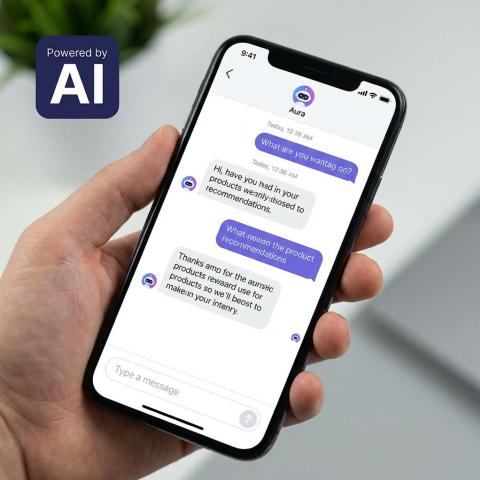
As mobile devices get more features, developers will need to build smarter apps using advanced tools. One major shift will be the use of AI in mobile app development.
Mobile apps of the future will be more responsive and able to learn from user actions. AI will help apps offer personal content, faster results, and better suggestions. For instance, shopping apps will show items based on past clicks, and learning apps will adjust difficulty based on progress.
Developers will use machine learning to improve performance while reducing the manual effort behind updates and testing. Future mobile app companies must be ready to apply AI in ways that are simple, fast, and secure.
Future of Mobile App Design Will Focus on Simplicity
The visual and interactive side of mobile apps is just as important as the code. Clean, easy-to-use layouts will become even more important by the time new users expect zero learning curve.
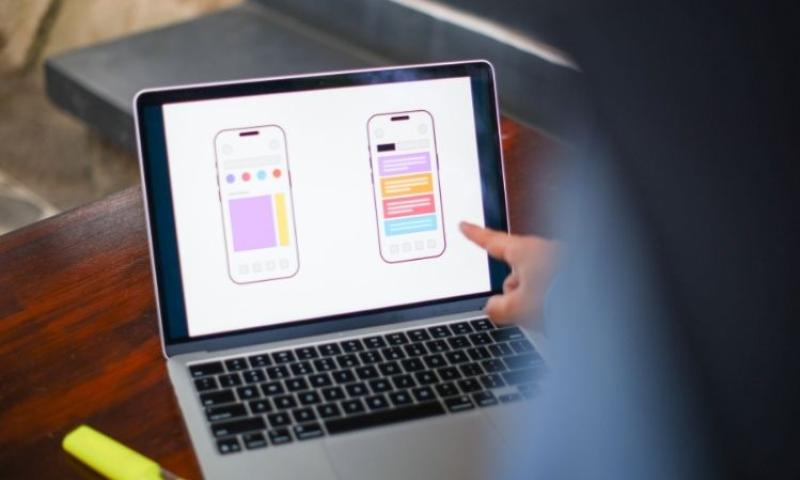
The future of mobile app UI/UX design will include larger tap areas, voice inputs, smoother screen shifts, and lighter themes that feel less busy. More apps will use gesture-based controls or voice commands instead of buttons.
Designers and developers will need to work more closely together. App companies will be expected to test design flows on real users to remove steps, reduce loading time, and keep interfaces as clear as possible.
Why 5G Matters in Future Mobile App Development
The arrival of 5G is more than just a speed upgrade. It will allow apps to do more with less delay. For example, 5G in mobile app development will allow for real-time streaming, instant loading, and better multiplayer support in games.
Apps that once felt too slow or data-heavy will now be smooth and quick. AR tools, live GPS tracking, or HD video calls will become standard in many types of apps.
Companies building mobile apps will need to plan with 5G in mind. New features will depend on fast networks, and users will expect everything to work in real-time without lag.
Cross-Platform Mobile App Development Will Be the Norm
Maintaining two separate apps for iOS and Android will continue to fade out. Cross-platform tools like Flutter or React Native now let developers build one app that works on both.
This trend will grow stronger as more businesses look to launch quickly across different platforms. A cross-platform mobile app development company can save time and resources while reaching a wider group of users.
By 2025, more companies will expect apps that look and feel native but are built from one source. The skill to balance performance, design, and reach will become key for any mobile app development company aiming for future success.
AR and VR Will Add New Layers to Mobile Apps
Augmented reality (AR) and virtual reality (VR) have already started appearing in mobile games, retail, and training apps. But by the future, these tools will go further.
A mobile app development company will need to offer features that bring the real and digital worlds together. For instance, users might walk into a store and see digital signs through their phone or try products virtually.
As phones, glasses, and wearables improve, these features will become part of daily life. Developers will need to test apps in real spaces and think beyond screen-based layouts.
Voice and Gesture Support Will Expand App Access
The way people interact with devices is changing. Voice assistants and gesture controls are opening new ways to use apps—without always touching the screen.
In future-ready apps, users may speak commands, nod to confirm, or wave to scroll. This is helpful for people with physical limits, or those using apps in hands-busy settings like driving or cooking.
A forward-thinking mobile app development company will focus on making apps that can support touch, voice, and movement. Testing across many devices and real-world uses will be necessary to keep these features smooth and helpful.
Data Safety Will Be a Key Part of Every Mobile App
As apps collect more personal info, trust will become harder to earn. People want to know how their data is used, and laws are becoming stricter about how that data is handled.
In the future, mobile apps will need to be more open about permissions, storage, and sharing. Privacy features like two-step login, on-device processing, and regular security checks will be expected by users.
A strong mobile app development company must plan data safety from the start of each project, not as a later fix. Secure apps will be those that explain clearly, ask permission honestly, and update often.
Green and Efficient Apps Will Gain Attention
Another trend is the push toward cleaner code and lower resource use. As people become more aware of energy use, they will prefer apps that do their job without draining batteries or wasting mobile data.
An efficient app runs in the background only when needed, updates in small patches, and uses dark mode or offline mode to help users save.
In response, future mobile app companies will write smarter code and test apps on older devices, not just the newest phones. Keeping things light and fast will be part of a good user experience.
Final Thoughts
The mobile app development company of the future will focus on more than just building apps. It will focus on building smart, fast, and safe tools that help people do more in less time.
From AI and 5G to AR, voice input, and cleaner code, the future of mobile apps is about improving everyday tools without adding friction. As the tech changes, so must the people and companies who build it.