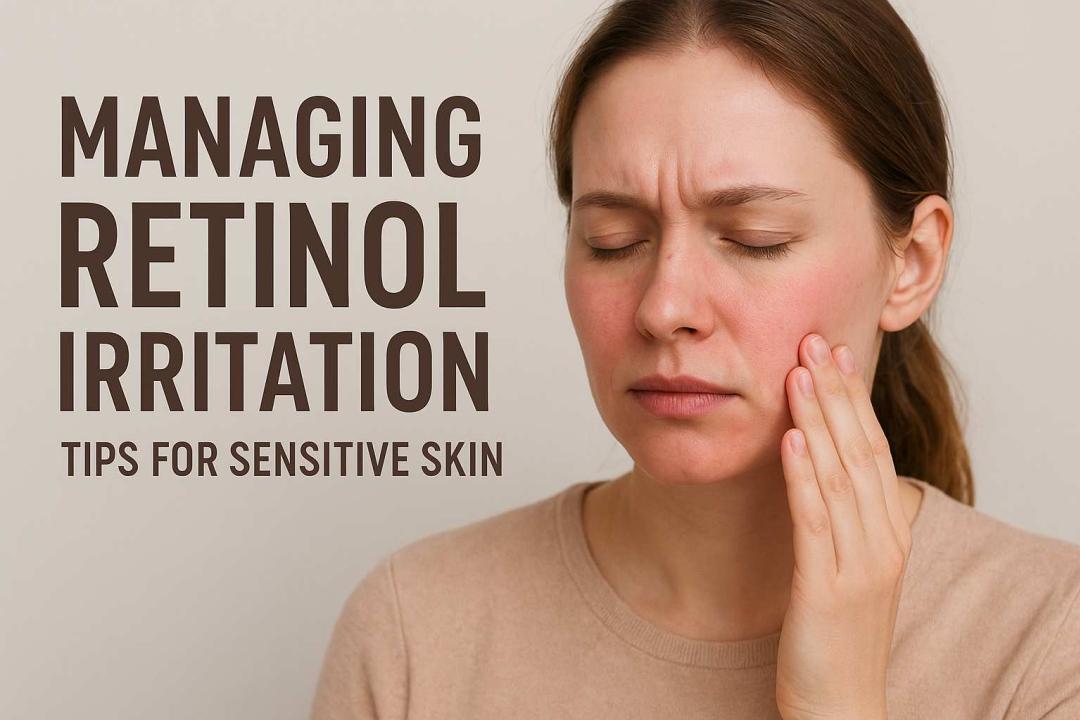
Retinol has earned its place as a powerhouse ingredient in the world of skincare. Known for its ability to reduce fine lines, smooth skin texture, and promote a youthful glow, it’s often the go-to solution for anyone looking to level up their routine. However, while its benefits are undeniable, retinol can be a bit tricky for those with sensitive skin. Many people experience dryness, redness, or mild irritation when they first start using it.
Understanding why retinol can cause these reactions is key to managing them. Sensitive skin reacts more strongly because retinol speeds up cell turnover, temporarily making the skin barrier more fragile. But the good news is that with the right approach and a few simple strategies, you can enjoy the remarkable benefits of retinol without discomfort.
In this blog, we’ll explore practical tips and techniques for minimizing irritation, selecting gentle formulations, and safely incorporating retinol into your skincare routine. Whether you’re a first-time user or looking to optimize your existing regimen, these strategies will help you achieve healthy, glowing skin without the common side effects.
Why Retinol Can Irritate Sensitive Skin
Retinol works by accelerating skin cell turnover, which can make your skin temporarily more delicate. Sensitive skin may react more strongly, showing signs like:
- Redness or flushed skin
- Dryness and flakiness
- Mild stinging or tingling
These reactions are normal at the start but shouldn’t be ignored. Proper usage can minimize these side effects.
Tips to Manage Retinol Irritation
1. Start Slow
Begin with a lower concentration of retinol, such as 0.1%–0.3%. Apply it only 1–2 times per week at first, gradually increasing frequency as your skin adjusts.
2. Use the “Sandwich Method”
Apply a thin layer of moisturizer before and after retinol. This buffers the skin and reduces the likelihood of irritation while still allowing retinol to work effectively.
3. Avoid Combining with Harsh Ingredients
Retinol is potent, so avoid using it with strong acids (like AHAs/BHAs) or vitamin C in the same routine. Combining these can increase irritation and sensitivity.
4. Keep Skin Hydrated
Sensitive skin benefits from a gentle, hydrating moisturizer. Look for ingredients like hyaluronic acid, ceramides, or aloe vera to maintain your skin barrier.
5. Apply at Night
Retinol can make your skin more sensitive to sunlight. Using it at night and applying sunscreen during the day helps prevent damage and irritation.
6. Listen to Your Skin
If irritation persists—like persistent redness, burning, or peeling—pause usage for a few days. Consult a dermatologist for personalized guidance if needed.
Gentle Retinol Options
For sensitive skin, consider these alternatives:
- Encapsulated Retinol: Slower release reduces irritation.
- Retinaldehyde or Retinyl Palmitate: Gentler forms of vitamin A.
- Low-Concentration Serums: Designed specifically for sensitive skin types.
Final Thoughts
Retinol doesn’t have to be intimidating for sensitive skin. By starting slow, hydrating well, and using gentle formulas, you can enjoy smoother, healthier, and youthful-looking skin without discomfort. Patience and consistency are key—your skin will thank you!