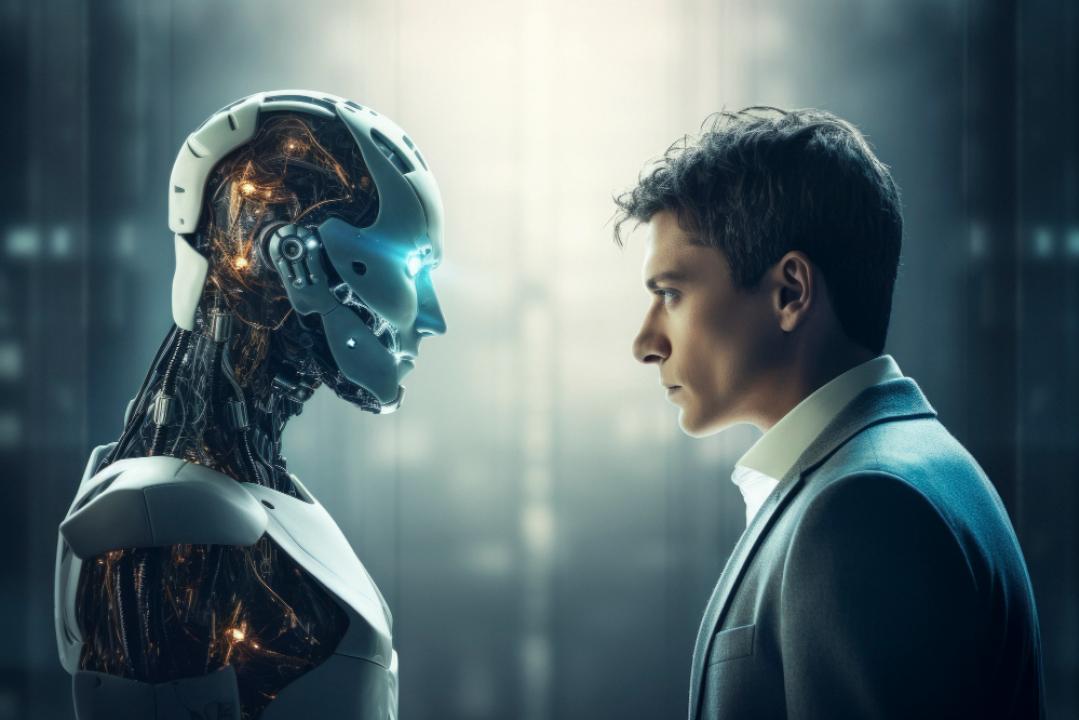
When businesses and developers compare LLM vs Generative AI, one crucial factor that often comes up is how natural language processing enables machines to understand human communication. From customer service chatbots to everyday virtual assistants like Siri and Alexa, the ability of machines to interpret, process, and respond to human language is at the heart of modern AI innovation. In the USA and globally, this transformation is shaping how people interact with technology daily.
What is Natural Language Processing?
Natural language processing (NLP) is a branch of artificial intelligence that focuses on enabling computers to understand, interpret, and generate human language. Unlike basic rule-based programming, NLP uses advanced computational models and machine learning to bridge the gap between how humans communicate and how machines operate.
Some of the core tasks NLP handles include:
- Text Classification: Categorizing emails into spam or not spam.
- Sentiment Analysis: Identifying if a product review is positive, negative, or neutral.
- Machine Translation: Translating languages accurately, such as English to Spanish.
- Speech Recognition: Converting spoken words into text for assistants like Google Assistant or Amazon Alexa.
- Entity Recognition: Extracting useful data like dates, names, or addresses from unstructured text.
These foundational techniques allow machines to function as intelligent assistants that feel increasingly human in conversation.
Chatbots and Virtual Assistants: Real-World Applications
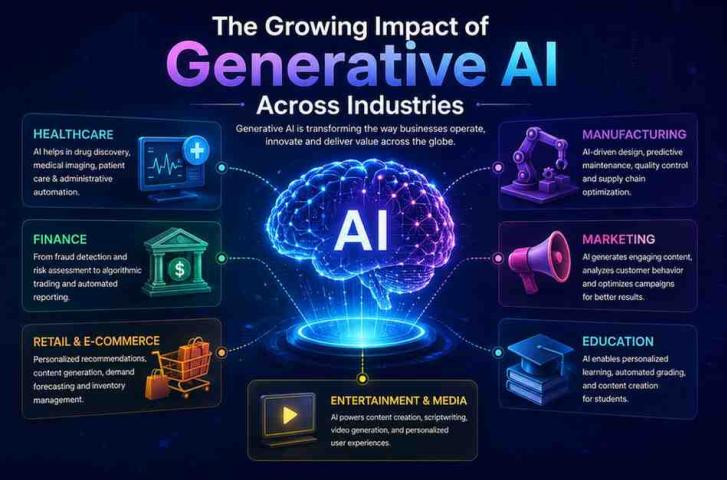
The most visible impact of NLP is in chatbots and virtual assistants. Businesses across industries—retail, healthcare, finance, and tech—are using NLP-powered systems to deliver faster, more personalized experiences.
Chatbots in Customer Service
Chatbots provide 24/7 support, reducing wait times and improving customer satisfaction. They can handle tasks like:
- Answering FAQs instantly.
- Guiding customers through troubleshooting steps.
- Recommending products or services.
- By combining NLP with real-time analytics, chatbots today can mimic natural dialogue, detect user sentiment, and escalate issues to human agents when necessary.
Virtual Assistants in Everyday Life
Virtual assistants such as Alexa, Siri, and Google Assistant rely heavily on NLP. They can:
- Understand voice commands.
- Provide contextual responses.
- Integrate with smart home devices.
These assistants are continuously learning through AI Techniques in Modern Computing, evolving beyond simple task execution to more proactive and intuitive problem-solving.
The Role of NLP in Advancing AI
The success of chatbots and virtual assistants highlights a broader truth: NLP is a central driver in the evolution of AI itself. Without it, machines would be limited to rigid commands instead of dynamic human interaction.
Here’s how NLP contributes to AI’s progress:
- Contextual Understanding: Moving beyond keyword matching to comprehend intent.
- Conversational Flow: Maintaining natural, human-like dialogue.
- Scalability: Handling millions of conversations simultaneously with consistent quality.
- Multimodal Integration: Pairing text with images, speech, or video for richer interactions.
- This capability is what differentiates modern AI-powered applications from the early, scripted chatbots of the past.
LLM vs Generative AI: Where NLP Fits In
The ongoing discussion around LLM vs Generative AI has raised important questions about the role of NLP.
- Large Language Models (LLMs) such as GPT-4 are trained on massive datasets to predict and generate text with high fluency. They excel at understanding nuanced queries and producing detailed responses.
- Generative AI, while overlapping with LLMs, goes further—producing not only text but also images, audio, video, and other creative outputs.
- NLP sits at the core of both. LLMs rely heavily on NLP to interpret prompts and structure responses, while generative AI uses NLP as a foundation for multi-modal creation.
In practice, companies are combining these approaches to deliver smarter and more versatile solutions. For example, a virtual assistant might use an LLM to understand a complex question and generative AI to provide a visual chart as part of the answer.
AI Techniques in Modern Computing
NLP wouldn’t be as powerful today without broader AI Techniques in Modern Computing, including:
- Neural Networks: The backbone of language models that process vast data patterns.
- Transformers: Architectures like BERT and GPT that revolutionized language understanding.
- Reinforcement Learning: Improving AI’s decision-making through trial and error.
- Edge Computing: Bringing AI closer to the user for faster, localized performance.
Together, these techniques allow machines not only to understand language but also to deliver actionable intelligence in real time.
The Future of NLP and AI Interaction
As AI continues to mature, the future of NLP promises even deeper integration into everyday life. Here are a few trends to watch:
- Emotion-Aware AI: Systems that detect and respond to human emotions with empathy.
- Hyper-Personalized Assistants: AI that tailors recommendations and responses to each individual’s preferences and history.
- Cross-Language Communication: Seamless translation that removes language barriers in business and personal interactions.
- Business Intelligence Integration: NLP-driven insights that help executives make faster, data-backed decisions.
In short, NLP will be the engine that powers not just better chatbots and assistants, but the next generation of human-AI collaboration.
Conclusion
Whether it’s in comparing LLM vs Generative AI or applying AI Techniques in Modern Computing to real-world problems, the influence of natural language processing is undeniable. From smarter chatbots to more capable virtual assistants, NLP is the foundation of AI-driven communication. And in the USA and across the world, businesses that adopt these technologies are gaining a competitive edge by delivering faster, smarter, and more human-like interactions.
Ready to explore how NLP-powered solutions can transform your business? Contact us today to discuss customized chatbot development, AI-driven customer support, or enterprise-level virtual assistant integration. Stay ahead of the curve—let’s shape the future of AI together.