
Introduction
The ride-hailing market continues to grow, driven by passengers seeking fast, convenient, and reliable transportation. Startups entering this sector must act quickly to secure a foothold. Developing a full-featured taxi app can be time-intensive and expensive, but launching a Minimum Viable Product (MVP) allows businesses to validate their concept in under 30 days. This strategy enables early user engagement, real-world testing, and refinement of the app before scaling to a full platform.
Key Elements of Taxi App Development
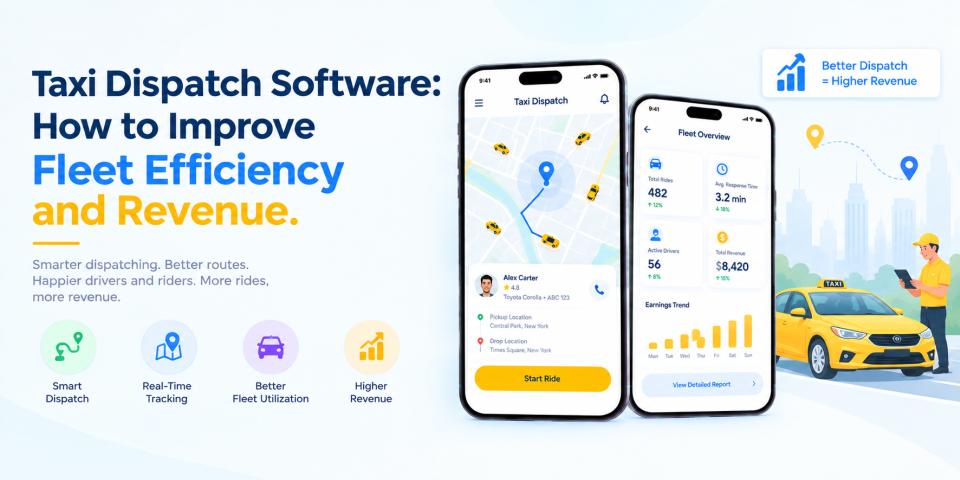
In taxi app development, the focus should be on essential features that satisfy both riders and drivers. Passengers need a simple interface for registration, ride booking, real-time tracking, and secure payment. By prioritizing these functionalities, startups can build a lean MVP while ensuring a smooth user experience.
Agile development practices are vital to maintaining the tight schedule. Short sprints allow features to be developed, tested, and refined continuously, keeping the project on track for a 30-day launch.
Streamlining Taxi Booking App Development
The success of taxi booking app development depends on creating a smooth and intuitive booking flow. Passengers should be able to select pickup and drop-off locations, view fare estimates, and confirm rides in a few simple steps. Push notifications enhance the experience by keeping users updated on driver arrival and ride status.
Drivers benefit from a straightforward dashboard displaying incoming requests, navigation, and earnings. Even in an MVP, including a basic admin panel is crucial for monitoring trips, resolving issues, and maintaining smooth app performance.
Core Features of a Taxi App MVP
To deliver a functional MVP in 30 days, focus on these essential features:
- Passenger and driver registration and login
- Quick ride booking with instant confirmation
- GPS-enabled real-time tracking
- Fare calculation with upfront estimates
- Multiple secure payment options
- Push notifications for ride updates and driver arrival
- Driver dashboard for trip and earnings management
- Admin panel for monitoring and control
These features provide the foundation for a usable, reliable MVP that satisfies both drivers and passengers while staying achievable within the 30-day timeframe.
Advantages of On-Demand App Development
On-demand app development accelerates the creation of a functional MVP by using pre-built solutions like mapping APIs, push notifications, and payment gateways. This reduces coding time and ensures reliability.
The on-demand model also allows startups to scale features incrementally. After the MVP is validated, businesses can introduce advanced options such as ride-sharing, loyalty programs, premium rides, and subscription services. This phased approach minimizes risk and ensures that the app evolves based on real user behavior.
Final Words
Launching a taxi app MVP in 30 days is feasible and strategically advantageous for startups. By concentrating on core features, applying agile methodologies, and leveraging pre-built technologies, businesses can enter the ride-hailing market quickly and efficiently. Early feedback allows entrepreneurs to refine the app, add features gradually, and scale sustainably. This approach reduces risks, optimizes costs, and establishes a strong foundation for long-term growth in the competitive ride-hailing industry.