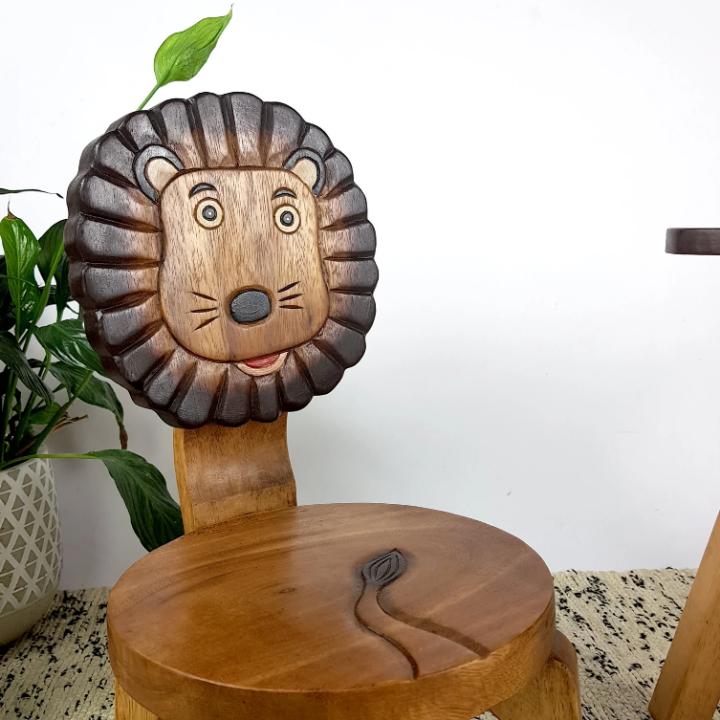
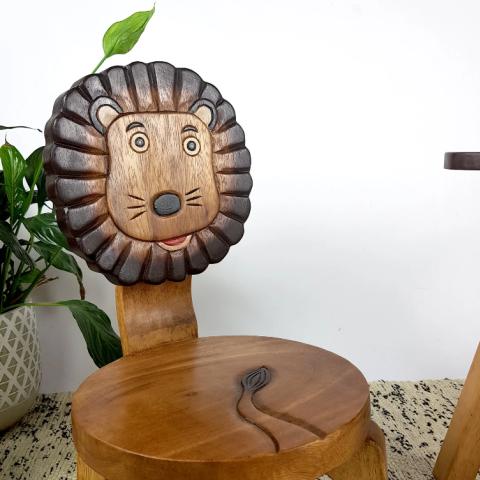
Children’s furniture has evolved remarkably over the years, and one of the most significant trends in recent times is the growing popularity of cartoon-themed chairs and tables. In Australia, where early childhood development and playful learning environments are highly valued, cartoon chairs and tables have become a staple in homes, childcare centres, preschools, and even family restaurants. These brightly coloured, creatively designed pieces of furniture are more than just visually appealing; they play a vital role in children’s development, comfort, and overall well-being.
This article explores the importance of cartoon chairs and tables in Australia, examining their educational, psychological, social, and cultural relevance.
1. Encouraging Creativity and Imagination
Children are naturally imaginative, and their environment plays a key role in nurturing this creativity. Cartoon-themed furniture often features beloved characters, vibrant colours, and playful shapes that spark curiosity and encourage role-playing. A table shaped like a car or a chair decorated with popular characters such as Peppa Pig, Bluey, or Disney icons can transform ordinary learning or playtime into an adventure.
In Australia, where play-based learning is emphasised in early childhood education, cartoon chairs and tables help create an atmosphere where imagination thrives. When children feel excited by their surroundings, they are more likely to engage in creative activities such as drawing, storytelling, and building games, all of which are crucial for cognitive development.
2. Supporting Child-Friendly Learning Environments
Educational institutions in Australia, from preschools to primary schools, are increasingly integrating child-centred learning environments. Furniture plays a central role in this setup. Cartoon chairs and tables make classrooms feel less intimidating and more welcoming.
A cartoon-themed table in a reading corner or an animal-shaped chair in an art room can create spaces that encourage participation. Children often feel more at ease when their environment mirrors their interests, and colourful furniture helps reduce anxiety, especially for those experiencing school for the first time.
3. Promoting Comfort and Safety
Beyond aesthetics, cartoon chairs and tables are usually designed with children’s comfort and safety in mind. In Australia, furniture manufacturers must comply with strict safety standards, ensuring that products are child-friendly, sturdy, and free from harmful materials.
Cartoon chairs and tables are often lightweight, rounded at the edges, and made of non-toxic materials. Their ergonomic design ensures that children sit in proper postures, reducing strain on their developing bodies. Parents and educators across Australia value these features because they combine fun with functionality, ensuring that play and learning occur in a safe environment.
4. Encouraging Social Interaction
Cartoon chairs and tables often come in sets, making them ideal for group activities. In childcare centres, kindergartens, and even homes, these furniture pieces encourage children to sit together, share space, and interact.
For example, a cartoon-themed round table creates a sense of equality among children as they gather to draw, play puzzles, or eat snacks. The playful designs help break down barriers, making children more likely to approach peers and develop social skills. In a country like Australia, where inclusivity and teamwork are emphasised in education, cartoon furniture contributes significantly to building a sense of community among children.
5. Boosting Emotional Development
Children often form attachments to characters they admire. Having furniture decorated with these characters brings them comfort and joy. For instance, a child who loves Bluey may feel reassured sitting in a chair featuring Bluey’s design. This sense of connection fosters emotional stability and happiness, particularly during transitions such as starting school or adapting to new environments.
In Australia, cartoon-themed furniture is not only common in homes but also in family-friendly restaurants and play areas. By providing children with familiar and engaging surroundings, these establishments help ease separation anxiety and make outings more enjoyable for families.
6. Supporting Inclusive and Diverse Learning
Australia is a multicultural country, and cartoon furniture often reflects this diversity. Characters and themes from various cultures can be represented, allowing children from different backgrounds to feel included.
Such designs serve as excellent tools for teaching children about diversity, nature, and Australian culture while still making learning spaces fun and engaging.
7. Enhancing Home Environments
In modern Australian homes, children’s playrooms are considered an essential part of family living spaces. Parents increasingly invest in cartoon chairs and tables to make these areas engaging and safe. Unlike traditional furniture, cartoon furniture fits seamlessly into a child’s world, making them feel like their spaces are truly their own.
Moreover, cartoon chairs and tables are easy to clean, lightweight, and durable—features highly valued by busy parents. They are often multifunctional, doubling as dining spaces, craft stations, or study tables, making them a practical choice for Australian families.
8. Positive Impact on Restaurants and Public Spaces
Many restaurants, libraries, and public play areas in Australia have adopted cartoon chairs and tables to create family-friendly spaces. When children are entertained and comfortable, parents are more likely to enjoy their visits and return.
In libraries, cartoon furniture makes reading corners attractive to children, encouraging early literacy. In healthcare facilities, cartoon chairs and tables help reduce stress and create a child-friendly atmosphere that makes waiting less daunting.
9. Environmental Considerations
Sustainability is a growing priority in Australia, and many parents and institutions prefer eco-friendly furniture. Several manufacturers now produce cartoon chairs and tables from recycled or sustainable materials without compromising on design. These eco-friendly options align with Australia’s commitment to reducing waste and promoting environmental awareness, teaching children from an early age about the importance of sustainability.
10. A Blend of Fun and Functionality
Ultimately, the success of cartoon chairs and tables in Australia lies in their ability to blend fun with functionality. They not only brighten up spaces but also contribute meaningfully to children’s growth and development. Whether in homes, schools, or public areas, these pieces of furniture are more than decorative—they are tools that support education, social interaction, safety, and inclusivity.
Conclusion
Cartoon chairs and tables have become an integral part of children’s lives in Australia. Their importance extends far beyond aesthetics, influencing creativity, comfort, emotional well-being, and social development. From encouraging imaginative play at home to creating inclusive classrooms and stress-free healthcare environments, cartoon furniture plays a vital role in shaping child-friendly spaces across the country.
As Australia continues to embrace child-focused education and family-oriented life>