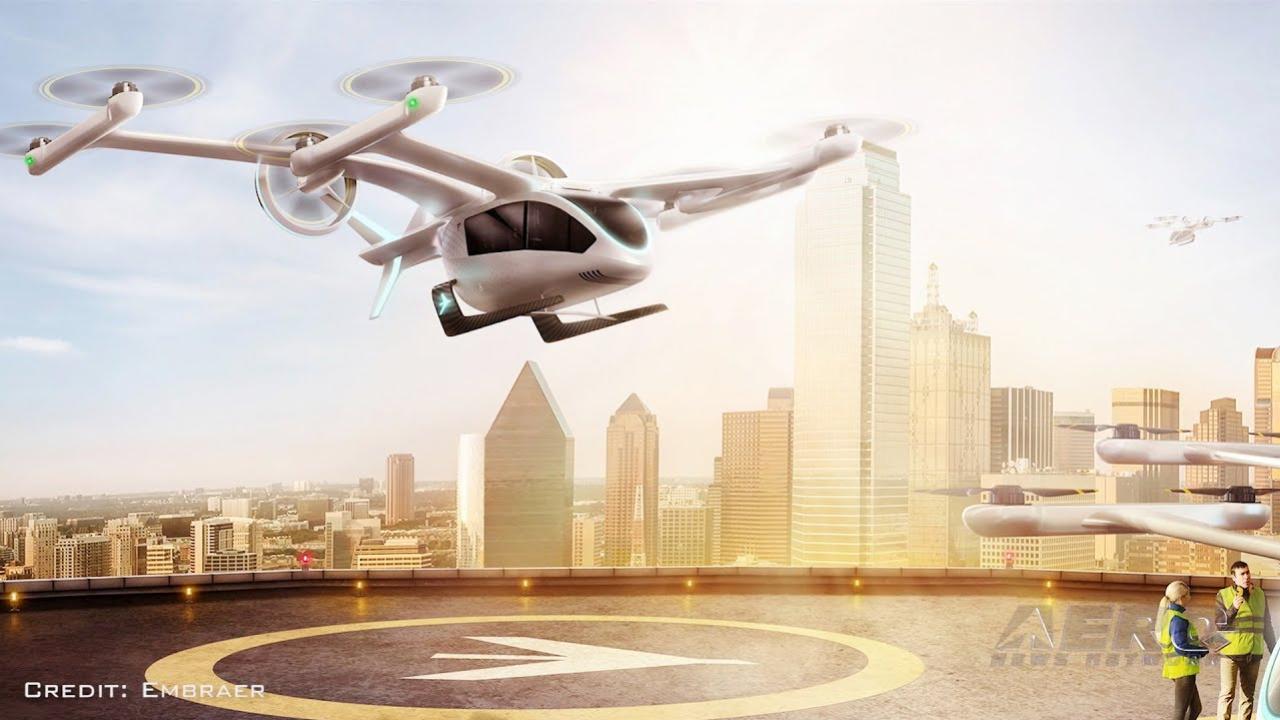
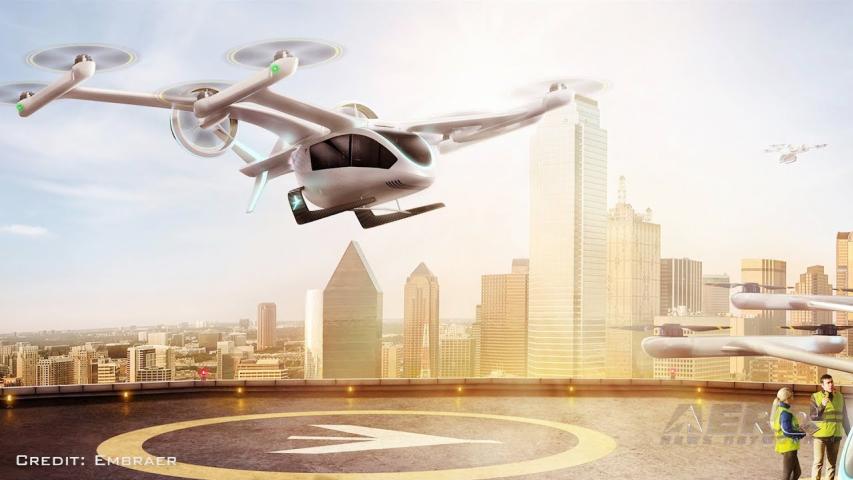
Urban Air Mobility (UAM) rapidly ascends as a futuristic transport paradigm, leveraging electric vertical takeoff and landing vehicles (eVTOLs), cargo drones, and autonomous flight systems to revolutionize intra-city and regional travel. The increasingly congested cityscapes, coupled with environmental imperatives, compel governments and industries to embrace UAM as a sustainable, scalable solution to urban transport crises.
Straits Research reports the global UAM sector was valued at USD 2.80 billion in 2024, and is forecast to grow from USD 3.29 billion in 2025 to USD 11.79 billion by 2033, at a CAGR of 17.29%. This growth is propelled by electrification trends, autonomous flight tech, and infrastructure developments like vertiports that are vital for UAM proliferation.
Top industry players shaping UAM:
-
Lilium Aviation (Germany): Produces luxury regional eVTOL jets for urban and intercity routes, with attention to sustainable propulsion and autonomous capabilities.
-
Archer Aviation (USA): Develops urban passenger eVTOL aircraft with integrated digital flight control systems optimized for commercial air taxi networks.
-
Joby Aviation (USA): Combines battery tech, avionics, and scalable manufacturing to push boundaries for reliable passenger air mobility solutions.
-
EHang (China): Expanding its footprint in autonomous drone taxis and cargo drones, focusing on Asian mega-cities with large urban populations.
-
Airbus (France): Innovating modular eVTOL designs supported by high-profile collaborations and extensive flight testing.
-
Volocopter GmbH (Germany): Specializes in multicopters for short routes within highly urbanized centers prioritizing noise reduction.
Country-level snapshots reveal:
-
North America: Commercial UAM routes expected in major cities backed by partnerships between aviation start-ups and established airlines.
-
Europe: Integration of UAM into smart city models with pilots underway in several major metropolitan areas.
-
Asia: High urbanization fuels demand for autonomous UAM vehicles and related air traffic control systems.
-
Latin America: Early stage projects supported by local manufacturers and startups to leapfrog congested transport systems.
Emerging themes across UAM’s trajectory:
-
Advanced Battery and Propulsion Systems: Optimizing flight duration and environmental footprint.
-
Autonomous Navigation: Enhanced sensors and AI algorithms facilitate fully autonomous flights improving safety.
-
Vertiport and Urban Infrastructure: Developing aerial transport hubs integrated with existing transit systems.
-
Air Traffic Management Systems: Coordinated control for dense urban airspace ensuring safe eVTOL operations.
-
Sustainability and Noise Reduction: Addressing urban sonic pollution and carbon neutrality mandates.
-
Regulatory Framework Evolution: Governments crafting policies to ensure safety, certification, and equitable access.
Recent headlines:
-
Eve Air Mobility (Embraer) unveiled a new eVTOL with extended flight endurance and integrated smart cockpit features.
-
Airbus’s CityAirbus NextGen conducted successful tests of battery-powered eVTOL flights in complex urban terrains.
-
Volocopter partnered with Singapore’s government for scalable UAM services aligning with city environmental goals.
Closing Summary
Urban Air Mobility by 2025 is emerging as a high-potential solution for future urban transport, enabled by advances in electric propulsion, autonomous flight, and infrastructure development. Globally, leaders like Lilium, Joby, and EHang spearhead this mobility revolution, aiming for scalable, sustainable aerial networks that reshape how cities connect.