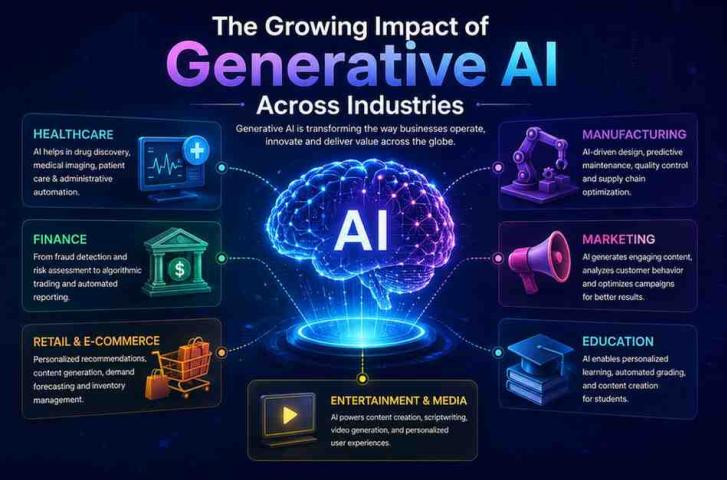
The world of storytelling has always been shaped by creativity, imagination, and human emotion. But with the rapid advancements in artificial intelligence, even storytelling has been transformed. Today, AI story generators are being used by writers, marketers, game developers, and students alike to spark inspiration, draft narratives, and save time.
But are they truly worth it? Can these tools replace human creativity, or should they simply be seen as supportive companions for writers? In this article, we’ll explore what AI story generators bring to the table, their pros and cons, and how the best AI story generators stack up against each other.
What Are AI Story Generators?
AI story generators are software tools powered by natural language processing (NLP) and machine learning that create written content based on prompts. You might type in a few sentences, a topic, or even a character description, and the tool will generate a short story, scene, or dialogue.
Unlike basic text generators, these tools are designed with storytelling elements in mind. They can structure narratives with beginnings, middles, and ends, while also creating character arcs, conflict, and sometimes even stylistic flourishes that mimic human writing.
Why People Use AI Story Generators
1. Overcoming Writer’s Block
Many writers find themselves stuck staring at a blank page. AI story generators can provide a starting point, sparking new ideas.
2. Time-Saving
Drafting stories can take hours. With AI, you can get a first draft in minutes, which you can then refine.
3. Brainstorming New Ideas
Marketers, content creators, and even novelists often use these tools to brainstorm unique plotlines, themes, or character ideas.
4. Accessible to Everyone
You don’t need to be a professional writer. Students, hobbyists, or entrepreneurs can use these tools to create quick stories or scripts.
Are AI Story Generators Really Worth It?
AI story generators excel at producing volume and speed. They’re fantastic for generating multiple drafts or variations quickly. However, they lack the deep emotional intelligence, cultural nuance, and creative flair that human writers bring to storytelling.
If your goal is to create raw drafts, brainstorm, or accelerate content creation, they are absolutely worth it. But if you’re writing a novel that relies heavily on emotional resonance and human touch, you’ll still need to refine and rework what AI gives you.
Think of AI story generators as co-writers or assistants rather than replacements.
Key Features to Look for in AI Story Generators
When comparing the best AI story generators, here are the most important features to evaluate:
- Ease of Use: The interface should be simple, with intuitive prompts and clear navigation.
- Customization: Can you guide the AI with characters, settings, or specific >
- Output Quality: Does the writing sound natural, or does it require heavy editing? High-quality tools often produce near-ready drafts.
- Creativity Level: Some tools are better at imaginative storytelling than others. This is crucial for fiction writers or game developers.
- Collaboration Tools: Some platforms allow team-based use, making them perfect for marketing agencies or creative teams.
- Pricing: Free versions often have limitations, so check whether premium plans are worth the investment.
Comparing the Best AI Story Generators
Let’s look at some of the most popular tools and what they offer.
1. Jasper AI
Known for its versatility, Jasper is one of the leading AI writing tools, capable of generating not only marketing copy but also stories. Its “creative story” template allows writers to input prompts and receive engaging, well-structured narratives.
Pros: High-quality outputs, user-friendly interface, excellent customer support.
Cons: Expensive for casual users.
Best For: Professional writers, marketers, and businesses.
2. Sudowrite
Designed specifically for creative writers, Sudowrite is an AI companion that helps you brainstorm plots, generate descriptions, and even rephrase text for better flow. It feels like a writing buddy rather than just a generator.
Pros: Built for fiction, highly creative, great for overcoming writer’s block.
Cons: Best suited for novelists rather than casual users.
Best For: Authors and storytellers.
3. Copy.ai
Originally focused on marketing copy, Copy.ai has added story-generation features. It’s great for short stories, dialogue ideas, or fun content creation.
Pros: Free plan available, simple to use, versatile.
Cons: Outputs sometimes lack depth.
Best For: Students, marketers, and hobbyists.
4. Rytr
Rytr is one of the more affordable AI writing tools. It includes a “story plot” feature that helps create story outlines and short narratives.
Pros: Affordable, easy to use, solid for beginners.
Cons: Limited creativity for long-form writing.
Best For: Budget-conscious users who need quick drafts.
5. NovelAI
Built with fiction writers in mind, NovelAI lets you guide the AI with settings, characters, and >
Pros: Highly customizable, ideal for world-building.
Cons: Learning curve, premium cost.
Best For: Creative writers and role-playing enthusiasts.
The Future of AI Storytelling
AI story generators are only getting better. With advancements in GPT models and more user feedback, these tools will continue to improve at creating realistic dialogue, nuanced characters, and coherent long-form plots. In the future, we might see hybrid tools that blend human creativity with AI automation, giving us the best of both worlds.
Imagine apps where you could brainstorm with an AI co-author in real-time, shaping stories collaboratively while retaining creative control. That’s the direction these tools are heading.
Conclusion
So, are AI story generators worth it? The answer is yes—if you use them wisely. They aren’t here to replace human imagination but to amplify it. Whether you’re a novelist looking to break through writer’s block, a marketer aiming to craft compelling brand stories, or a student experimenting with creative writing, these tools can be invaluable.
The best AI story generators provide speed, inspiration, and flexibility, making storytelling more accessible than ever. However, true creativity still lies in the human touch—AI may help you write the story, but only you can make it meaningful.