1. Introduction: Why Heating Maintenance Matters More Than You Think
Most homeowners notice the problem only when their heating system fails—cold rooms in winter, skyrocketing energy bills, or a furnace that seems to run endlessly. What often goes overlooked is the role of routine maintenance in preventing these issues. This case study highlights how one household, struggling with rising costs and inconsistent comfort, turned things around through simple but consistent heating maintenance.
2. The Problem: Rising Bills and Declining Comfort
The family in this case study lived in a mid-sized home with a gas furnace that was less than ten years old. On paper, the system should have been performing well. Yet during peak winter months, their utility bills were 20–25% higher than the neighborhood average. Even worse, certain rooms were drafty and uncomfortable, forcing them to rely on space heaters, which only drove costs higher.
A technician inspection revealed common but serious issues: clogged filters, dusty ductwork, and a thermostat that was slightly off calibration. While none of these problems caused a full breakdown, together they reduced efficiency and comfort significantly.
3. The Maintenance Approach: What We Actually Did
Instead of replacing equipment, the focus was on preventive care. The following steps were carried out:
- Filter replacement: Old, clogged filters were swapped with high-efficiency models.
- Duct inspection and cleaning: Dust buildup and a small leak were corrected to restore airflow.
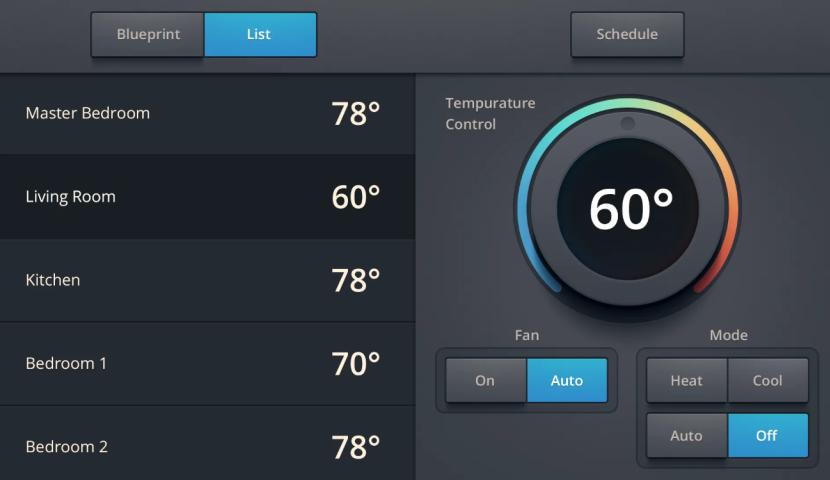
- Thermostat calibration: Adjustments ensured the temperature readings matched actual room conditions.
- System tune-up: The furnace’s blower motor, burners, and safety controls were inspected and adjusted.
- Sealing and insulation check: Minor sealing gaps were fixed to prevent heat loss.
Each step addressed a small but impactful factor contributing to inefficiency.
4. Results: From Drafty Rooms to Steady Warmth
Within the first month, the changes were noticeable. The home maintained a consistent temperature without cold spots, and the furnace cycled less frequently, meaning it was not overworking to meet demand. Family members reported immediate comfort improvements, especially in bedrooms that had previously been too chilly.
5. Energy Savings Breakdown: Numbers That Tell the Story
One of the most compelling outcomes was the cost reduction. Comparing utility bills before and after the maintenance:
- Monthly energy bills dropped by 18% within the first full billing cycle.
- The need for space heaters disappeared, saving an additional $20–30 per month.
- System runtime decreased by nearly 15%, easing wear on components and extending equipment life expectancy.
When projected annually, the family saved several hundred dollars without investing in costly system replacements.
6. Lessons Learned: What Any Homeowner Can Apply
This case highlights lessons that are relevant to nearly every household:
- A clogged filter alone can increase energy use by up to 15%.
- Duct leaks and dust accumulation, though common, can waste energy without obvious signs.
- Thermostat calibration may seem minor, but even a two-degree inaccuracy drives higher costs.
The takeaway is simple: small maintenance steps have a compounding effect on both comfort and efficiency.
7. Expert Insight: Why Maintenance Pays Off Long-Term
HVAC specialists consistently emphasize that routine maintenance is the single most effective way to extend system life. A well-maintained furnace not only runs more efficiently but also avoids the kind of stress that leads to premature breakdowns. Industry research shows that regular tune-ups can reduce the risk of major repairs by up to 95% and extend furnace life by 5–7 years.
In addition, clean systems contribute to healthier indoor air quality—an often-overlooked benefit that reduces dust, allergens, and indoor pollutants.
8. How to Start Your Own Heating Maintenance Plan
For homeowners ready to improve comfort and cut costs, starting a maintenance plan is straightforward:
- Replace filters every 1–3 months depending on usage.
- Schedule annual professional tune-ups to clean, inspect, and adjust system components.
- Check ducts and seals at least once a year for leaks or dust buildup.
- Monitor thermostat accuracy to ensure your settings reflect real temperatures.
- Keep vents unblocked to allow free airflow throughout the home.
For those who prefer professional oversight, enrolling in a maintenance program through a trusted HVAC provider ensures these steps are done on schedule. This case study is one example of how preventive care, rather than reactive fixes, delivers measurable comfort and savings.
9. Conclusion: Comfort and Savings Go Hand in Hand
This project demonstrates a simple truth: heating maintenance is not an expense—it is an investment. By addressing small inefficiencies, the family not only cut energy costs but also regained the comfort of a steady, reliable heating system.
For any homeowner frustrated with rising bills or inconsistent warmth, the solution may not be a costly replacement but a smarter approach to ongoing care. Preventive maintenance remains the most practical way to ensure your home stays warm, efficient, and affordable through every season.