The cleaning industry in the United Kingdom has transformed dramatically over the last few decades. Once seen as a behind-the-scenes task, cleaning has evolved into a science-driven, safety-focused sector that plays a vital role in keeping homes, offices, and specialised facilities safe and operational. Today, cleaning is no longer just about removing dirt — it’s about safeguarding health, extending the life of valuable assets, and supporting regulatory compliance in industries where hygiene is mission-critical.
The Changing Role of Cleaning Services
Modern cleaning services have become indispensable for households and businesses alike. In homes, busy life>
In workplaces, maintaining a professional image is only one part of the equation. Businesses must meet legal obligations to ensure a safe and hygienic environment for staff and customers. Factories, warehouses, and technical sites add another layer of complexity — requiring heavy-duty cleaning methods, adherence to strict safety regulations, and often, specialised equipment.
Healthcare, pharmaceuticals, and technology sectors have raised the stakes even higher. In these environments, a single particle of dust or a small contaminant could lead to compromised safety, damaged products, or regulatory violations. Here, cleaning is a precision operation rather than a simple service.
Categories of Cleaning Services in the UK
The UK’s cleaning sector offers a wide range of specialised services, including:
- Residential Cleaning – Regular housekeeping, deep cleaning, and post-renovation refreshes.
- Commercial Cleaning – Offices, retail spaces, and hospitality environments that require daily or weekly maintenance.
- Industrial Cleaning – Factories, warehouses, and post-construction sites requiring heavy-duty equipment and skilled staff.
- Healthcare and Laboratory Cleaning – Highly controlled environments that demand contamination prevention and sterile protocols.
- Event and Transition Cleaning – Move-in/move-out, pre-sale property preparation, or event clean-up services.
This variety reflects how deeply cleaning has become integrated into modern life, from everyday convenience to critical safety support.
Technology and Innovation
The tools of the trade have evolved alongside the industry’s responsibilities. Mops and buckets are no longer enough. Today’s cleaning professionals rely on:
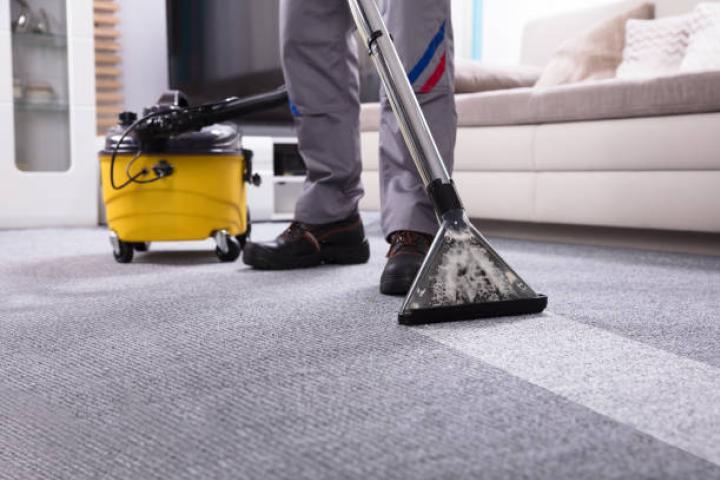
- HEPA-filter vacuums for capturing microscopic allergens and improving air quality.
- Steam and pressure washers for chemical-free sanitisation.
- Eco-friendly cleaning agents that protect both the environment and human health.
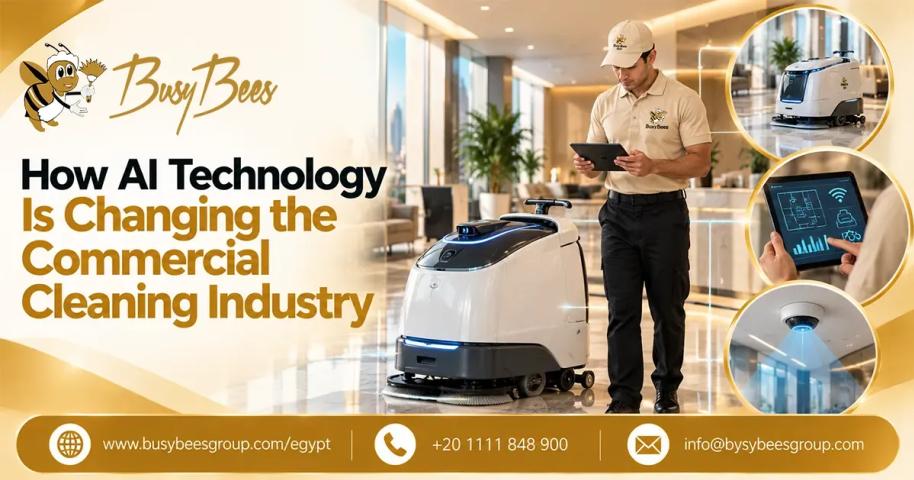
- Automation and robotics for efficiency in large-scale commercial environments.
In sectors requiring microscopic precision, the cleaning industry has adopted tools previously used only in laboratories or manufacturing lines. Foam swabs, for example, are now used in industries like electronics, aerospace, and medical device manufacturing. These soft, absorbent swabs clean delicate instruments and confined areas where traditional cloths or brushes would be too abrasive or leave residue. Their ability to remove dust and oils without damaging sensitive components demonstrates how cleaning has become a technical discipline in certain sectors.
Precision Cleaning in Controlled Environments
Some industries operate in environments where even the smallest contaminant can disrupt processes or compromise safety. Cleanrooms, surgical suites, and high-tech laboratories demand precise, particle-controlled cleaning protocols. Here, cleaning is carried out under strict supervision, often with full protective clothing and specialised tools designed for controlled environments.
Among these tools, cleaning swabs are essential. Unlike general-purpose cloths, they are designed to access fine crevices, delicate equipment surfaces, and small machine parts where precision is critical. They help technicians remove particles, residues, and even chemical traces that would be invisible to the naked eye but could affect product quality or research integrity.
Why Outsourcing Makes Sense
Given the technical knowledge, equipment, and regulatory considerations involved, outsourcing cleaning to professionals has become the preferred choice for many households and organisations. Benefits include:
- Consistency – Scheduled cleaning with quality assurance.
- Health Protection – Reduction of allergens, bacteria, and chemical residues.
- Time Savings – Freeing homeowners and business operators to focus on priorities.
- Asset Longevity – Proper care extends the lifespan of flooring, furnishings, and equipment.
- Compliance – Ensures legal and industry standards are met with proper documentation.
Rather than viewing cleaning as a cost, more organisations are recognising it as an investment — one that protects people, preserves property, and supports business continuity.
Looking Ahead: The Future of UK Cleaning Services
The next chapter of the UK cleaning industry is set to be even more innovative. Emerging trends include the integration of smart sensors for real-time cleanliness monitoring, AI-driven scheduling, and further advancements in sustainable cleaning chemistry. As industries become more complex and urban populations grow, the demand for both routine and precision cleaning will continue to rise.
What will not change is the sector’s core mission: creating safe, hygienic, and comfortable environments for people to live and work in. Whether it’s a busy household, a corporate office, or a state-of-the-art research lab, the UK cleaning industry is prepared to meet the challenge with expertise, technology, and a commitment to safety.