Web development is constantly evolving, and businesses are always looking for ways to build faster, more scalable, and user-friendly applications. Among the technologies driving this evolution, Python frameworks have emerged as a top choice for modern web development. Their simplicity, versatility, and powerful ecosystem make them ideal for creating complex applications, from startups to enterprise-level platforms.
Python’s popularity has grown exponentially over the years, largely due to its readability, extensive libraries, and strong community support. For businesses aiming to develop cutting-edge applications, collaborating with the top Python development companies ensures access to experienced developers who can deliver high-quality, scalable, and secure solutions.
This blog explores the future of web development with Python frameworks, key benefits, industry trends, and why working with expert Python developers can give your business a competitive edge.
Why Python Frameworks Are Popular for Web Development
Python frameworks like Django, Flask, and FastAPI have become popular choices for developers and businesses alike. They provide ready-to-use components, reduce development time, and ensure scalability. Here’s why they are gaining traction:
1. Rapid Development
Frameworks like Django and Flask provide pre-built modules and libraries, which speed up development. Features like authentication, database management, and routing are already built-in, allowing developers to focus on business logic instead of reinventing the wheel.
2. Scalability and Flexibility
Python frameworks support scalable architectures, making them suitable for both small startups and large enterprises. As your user base grows, these frameworks can handle increased traffic without compromising performance.
3. Security
Top Python frameworks come with built-in security features to protect against common threats such as SQL injection, cross-site scripting (XSS), and cross-site request forgery (CSRF). Security is crucial for businesses dealing with sensitive data or e-commerce platforms.
4. Community Support
Python has a large, active community that contributes to continuous improvements, plugins, and libraries. Businesses can leverage this robust ecosystem to stay up-to-date with the latest web development trends.
5. Versatility
Python frameworks are versatile enough for multiple applications, including e-commerce websites, SaaS platforms, social media apps, and data-driven dashboards. This makes them a go-to choice for businesses across industries.
Top Python Frameworks Shaping the Future
1. Django
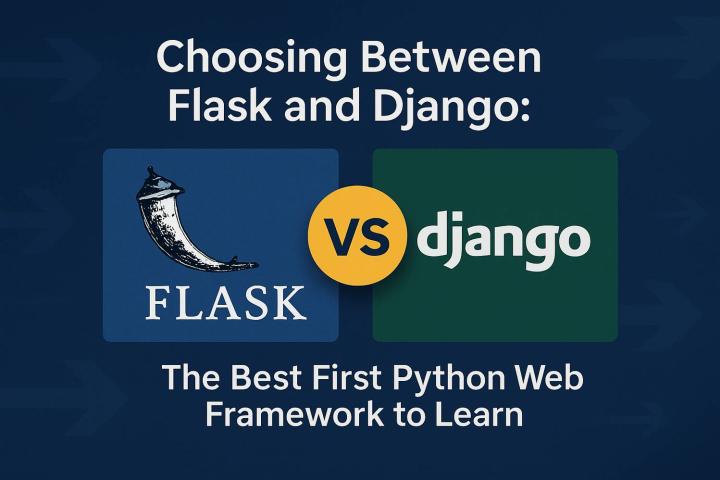
Django is a high-level Python framework that follows the “batteries-included” philosophy. It is ideal for building large-scale applications with robust security, rapid development, and scalability.
Key Features:
- Built-in authentication system
- Admin interface for managing content
- ORM (Object-Relational Mapping) for easy database management
- Support for scalable and modular architecture
2. Flask
Flask is a lightweight framework that provides flexibility and simplicity. It is perfect for small to medium projects or microservices architecture.
Key Features:
- Minimalistic and easy to learn
- Highly customizable with extensions
- Ideal for building APIs and lightweight web apps
3. FastAPI
FastAPI is gaining popularity for building fast, modern APIs. It is designed for high-performance web applications and supports asynchronous programming.
Key Features:
- Automatic API documentation generation
- High performance and low latency
- Type hinting for better code quality
4. Pyramid
Pyramid is a flexible framework that can scale from simple apps to complex web applications. It is known for its security features and configurability.
Key Features:
- Modular and flexible architecture
- Built-in security features
- Suitable for both small and enterprise-level applications
The Benefits of Using Python Frameworks in Modern Web Development
1. Faster Time-to-Market
Python frameworks allow developers to build web applications quickly. Pre-built modules and libraries reduce the need for repetitive coding, helping businesses launch products faster and gain a competitive edge.
2. Enhanced User Experience
Python frameworks provide the tools to build responsive and feature-rich applications, improving the user experience. Features like real-time updates, seamless navigation, and data-driven interfaces help retain users.
3. Integration with Emerging Technologies
Python frameworks integrate easily with emerging technologies such as AI, machine learning, and data analytics. This enables businesses to incorporate intelligent features like predictive analytics, recommendation systems, and chatbots into their applications.
4. Cost-Effective Development
Open-source frameworks like Django and Flask eliminate licensing costs. Combined with rapid development capabilities, businesses can reduce project expenses without compromising quality.
5. Strong Security and Compliance
Python frameworks provide robust security features, ensuring that web applications meet regulatory standards and protect sensitive data.
Industry Trends Driving Python Web Development
1. AI and Machine Learning Integration
Python is the language of choice for AI and ML applications. Web applications powered by Python frameworks can incorporate intelligent features, providing businesses with actionable insights and automation capabilities.
2. Cloud-Native Applications
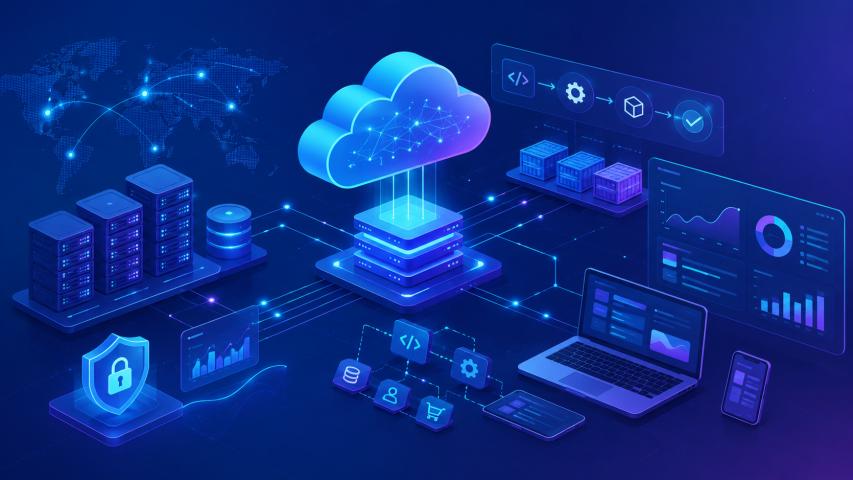
Python frameworks are compatible with cloud platforms, enabling scalable and distributed web applications. Businesses can leverage cloud infrastructure to improve performance and reduce costs.
3. Microservices Architecture
Frameworks like Flask and FastAPI are ideal for microservices architecture, allowing developers to build modular and maintainable applications.
4. API-First Development
Modern web applications rely on APIs for seamless integration. Python frameworks provide excellent support for RESTful and GraphQL APIs, enabling efficient data exchange between platforms.
5. Low-Code and No-Code Integrations
Python frameworks are being integrated with low-code platforms to accelerate development and empower non-developers to contribute to web applications.
Why Collaborate with Top Python Development Companies
Building modern, scalable, and secure web applications requires expertise. Partnering with the top Python development companies offers several advantages:
1. Expertise Across Frameworks
Top companies have experience with Django, Flask, FastAPI, Pyramid, and other frameworks. This ensures your project uses the most suitable technology for your business goals.
2. Custom Solutions for Unique Needs
Expert developers build tailored solutions that address your specific requirements, whether it’s an e-commerce platform, SaaS product, or enterprise web application.
3. Scalable Architecture
Professional developers design web applications to scale efficiently, supporting growth in users, traffic, and functionality.
4. Ongoing Support and Maintenance
Web applications require regular updates, bug fixes, and performance optimization. Experienced Python development companies provide continuous support to keep your applications secure and running smoothly.
5. Competitive Advantage
By leveraging Python frameworks with the guidance of skilled developers, businesses can launch feature-rich applications faster, improve user experiences, and stay ahead of competitors.
Real-World Examples
- Instagram: Built with Django, Instagram demonstrates Python’s ability to scale with millions of users.
- Dropbox: Python powers Dropbox’s client and server-side applications, supporting file storage and synchronization.
- Spotify: Uses Python for backend services and data analysis, enabling music recommendations and personalized playlists.
- Reddit: The social media platform relies on Python to handle massive amounts of content and user interactions.
These examples highlight Python frameworks’ versatility and reliability in creating web applications that support modern business needs.
The Future Outlook
The future of web development with Python frameworks looks promising:
- Increased adoption in AI-powered web apps for smarter user experiences.
- Cloud-native Python applications for enhanced scalability and reliability.
- Greater use of microservices architecture to build modular and maintainable systems.
- Integration with automation and analytics tools to drive data-driven decision-making.
By working with the best Python development companies, businesses can stay ahead of these trends and deliver innovative web applications that meet evolving customer expectations.
Conclusion
Python frameworks are transforming web development, offering businesses flexibility, scalability, and efficiency. From Django’s “batteries-included” approach to Flask’s lightweight architecture, these frameworks empower developers to build feature-rich, high-performance web applications.
Partnering with the top Python development companies ensures that businesses can leverage the full potential of Python frameworks. Whether developing an e-commerce platform, SaaS application, or data-driven dashboard, expert guidance guarantees secure, scalable, and future-ready solutions.
The future of web development is Python-powered, and businesses that adopt these frameworks now are well-positioned to innovate, scale, and stay competitive in the digital age.