The days of simple passwords and physical keys are ending. We are entering an era of biometric security where your unique biological traits are your key, ID, and most secure form of authentication. Facial recognition, iris recognition, and voice recognition are leading this revolution, offering unparalleled security and convenience.
Facial Recognition Technology: More Than Just Unlocking Your Phone
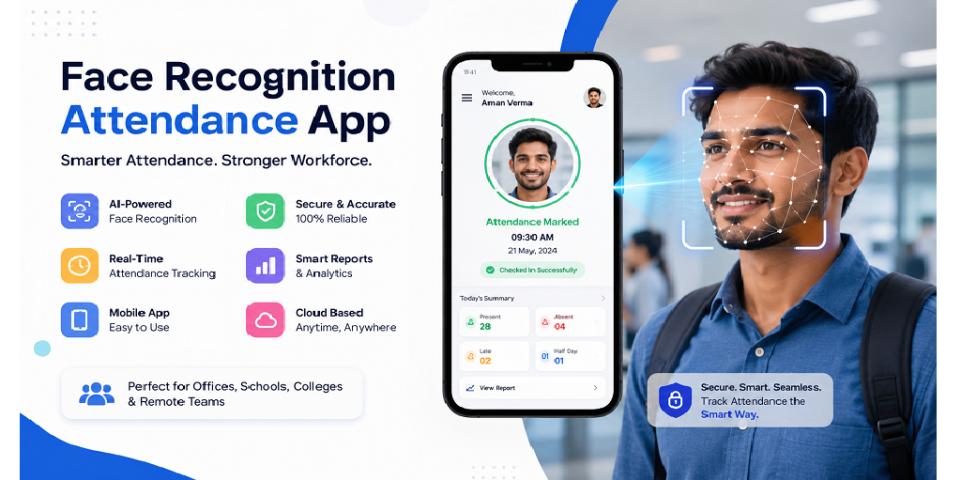
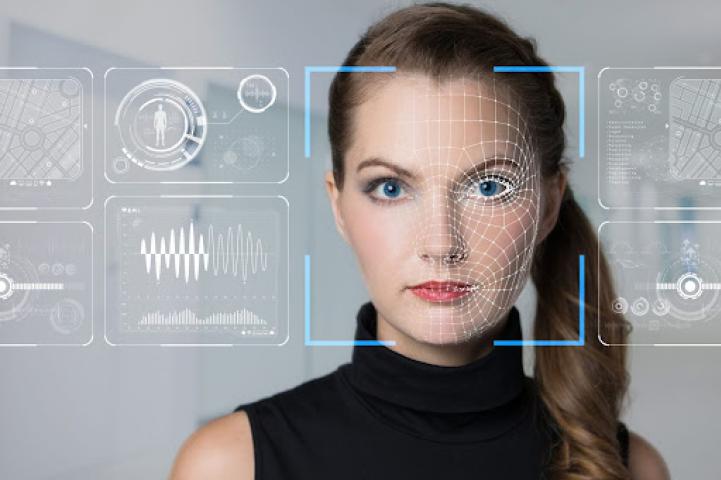
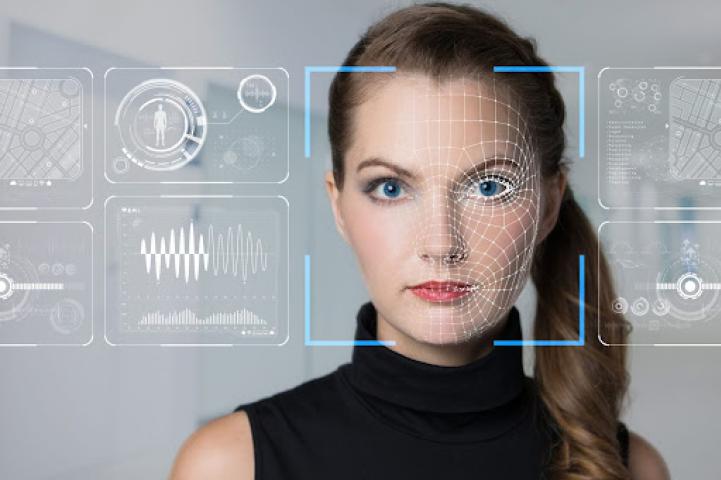
Facial recognition technology analyzes and maps a person's unique facial features to create a biometric template.
Liveness Detection and Anti-Spoofing: Modern systems use advanced anti-spoofing techniques, like liveness detection.
This technology uses AI to analyze micro-expressions, skin texture, and depth perception to ensure the face is from a live person, not a photo, video, or deepfake. This is crucial for preventing fraud. Multi-Modal Authentication: To enhance security, many systems now integrate facial recognition with other biometrics.
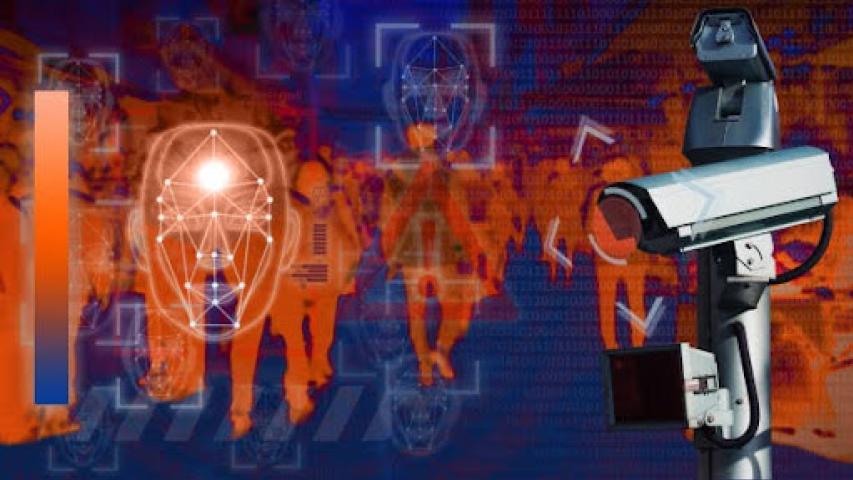
For example, border control systems may combine face and fingerprint data for a more secure and seamless identity check. Real-Time Surveillance and Access Control: From public spaces to corporate offices, facial recognition allows for real-time monitoring and automated access control, ensuring only authorized personnel can enter secure areas.
Iris Recognition: The Gold Standard of Biometric Security
The iris—the colored part of the eye—is one of the most stable and unique biometric identifiers.
Unmatched Accuracy: The probability of two individuals having the same iris pattern is virtually zero, making it more accurate and less susceptible to spoofing than other biometrics.
Contactless and Non-Invasive: Iris recognition technology is a contactless solution that can verify identity from a distance, making it ideal for high-traffic environments like airports and secured buildings.
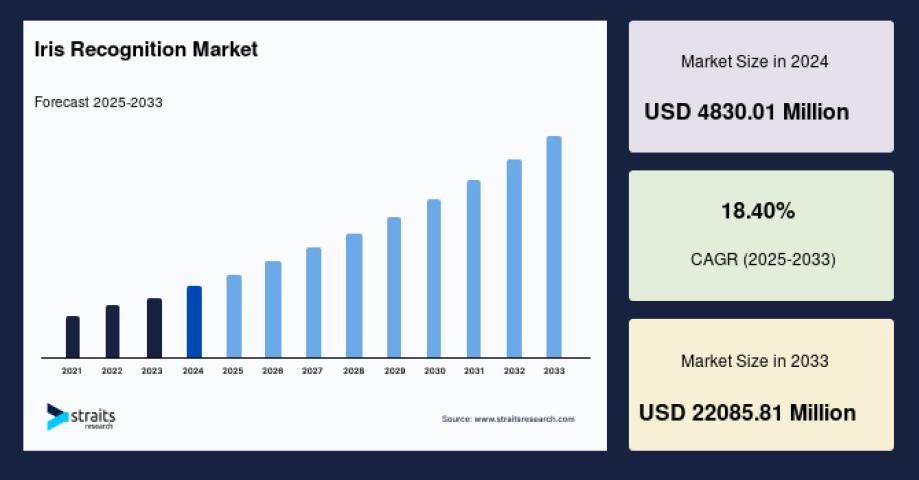
Market Growth and Adoption: Experts project the iris recognition market to grow significantly, with widespread adoption in banking, healthcare, and government sectors for high-level authentication.
For instance, financial institutions are embedding it into ATMs and mobile banking apps to secure transactions and prevent fraud.
Voice Recognition: The Sound of Security
While often associated with virtual assistants, voice recognition technology is a powerful biometric tool.
Behavioral Biometrics: Unlike a password, your voiceprint includes hundreds of features beyond just what you say. It analyzes pitch, tone, accent, and speech patterns, making it extremely difficult to imitate.
Convenience and Accessibility: Voice recognition provides a hands-free, convenient way to authenticate identity, perfect for securing a call center transaction, accessing a smart home, or logging into a mobile app.
Challenges and Solutions: Spoofing attacks using recorded audio or deepfake voices are a concern.
Advanced systems now incorporate liveness detection by requiring users to say random phrases or respond to dynamic prompts. This ensures the voice is live and not a recording.
The Integration of Biometric Modalities
The true future of security lies in combining these technologies. A multi-modal approach creates a layered defense that is far more secure than any single method alone.
Imagine a secure entrance:
A camera uses facial recognition to initially identify the person.
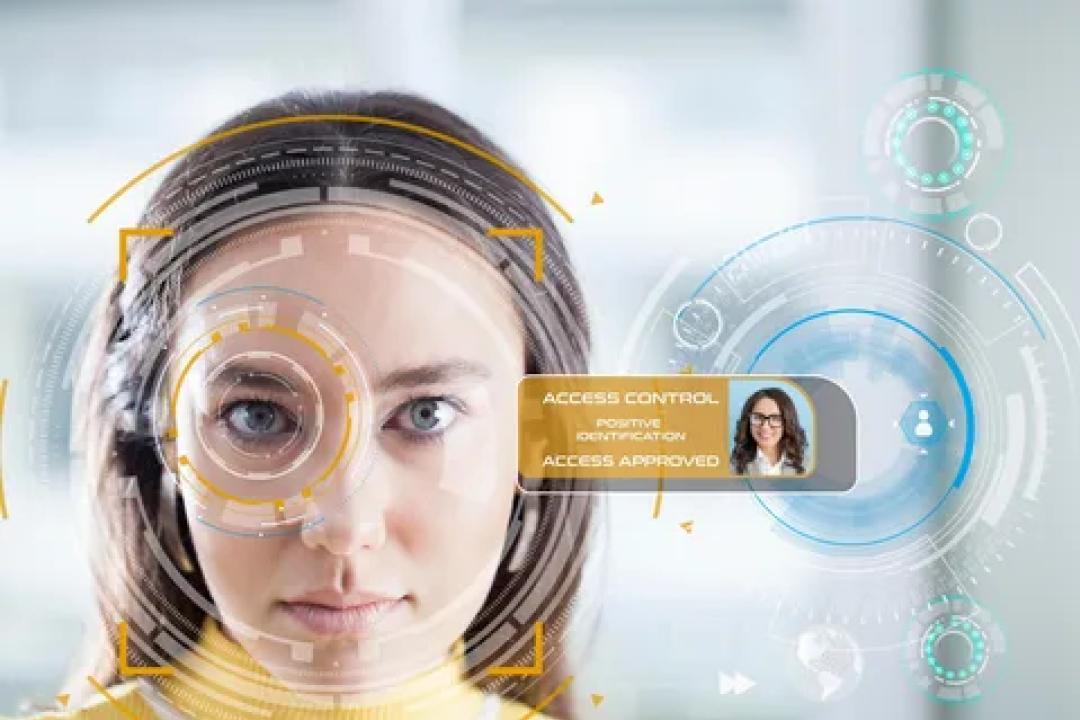
A secondary scanner performs an iris recognition scan for high-level verification.
A final layer uses voice recognition to confirm identity with a simple verbal command, "Access granted."
This seamless, multi-factor authentication process provides maximum security with minimal user friction.
Conclusion: A Secure and Convenient Future
The convergence of facial recognition technology, iris recognition, and voice recognition marks a new era for security.