
The Rise of Color Games in India: Where Tiranga Game Fits In
India's digital landscape is evolving at an unprecedented pace, and with it, the world of online gaming is undergoing a significant transformation. Beyond the popular battle royale games and fantasy sports, a new, vibrant genre is capturing the attention of millions: online color games. These games, built on the simple yet engaging premise of predicting colors, have become a phenomenon. At the heart of this trend is a game that resonates deeply with the Indian audience: the Tiranga game.
What are Online Color Games?
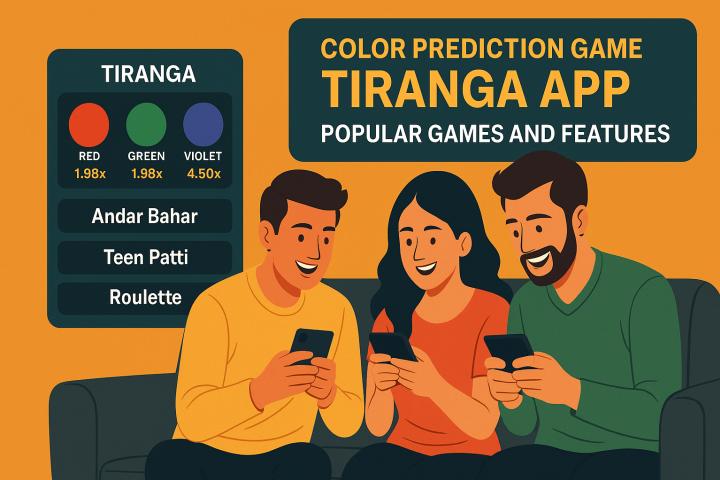
At their core, online color games are a form of a quick-fire lottery or prediction game. Players are presented with a series of colors, most commonly red, green, and a mixed color, such as violet. They place a bet on which color will appear next in a drawing. The rounds are speedy, often lasting only a minute or two, offering instant gratification and a high-stakes thrill.
The appeal of these games lies in their simplicity. There is no complex strategy or steep learning curve. Anyone with a basic understanding of betting can jump in and start playing. This accessibility, combined with the widespread availability of smartphones and affordable internet, has fueled their explosive growth across India.
The Tiranga Game Phenomenon
While there are numerous color prediction games on the market, Tiranga App stands out for its unique cultural connection. The name Tiranga itself means "tricolor" in Hindi, a direct reference to the Indian national flag. The game's vibrant interface and color palette—saffron, white, and green—evoke a sense of national pride and familiarity. This clever use of cultural symbolism creates an emotional link that sets it apart from its competitors.
Tiranga's gameplay is straightforward. Players place their bets on one or more of the three primary colors, and the game's outcome is determined by a random number generator (RNG) or a similar mechanism. The simplicity of the rules, coupled with the nationalistic theme, has made it a hit with a broad demographic of Indian users, from seasoned gamers to those new to online platforms.
Why are Online Color Games, including Tiranga App, so Popular in India?
Online color games have become a massive hit due to their simple gameplay, instant results, and the cultural connection that makes them feel familiar and trustworthy to a broad audience. Unlike more complex games, they offer a low barrier to entry and the thrilling chance to win real money with minimal effort.
Simplicity and Accessibility: As mentioned, these games are effortless to understand and play, requiring no prior gaming experience. This low barrier to entry makes them accessible to a massive user base.
Instant Gratification: The fast-paced, short rounds offer immediate results, satisfying the desire for quick entertainment and potential rewards.
Cultural Resonance: In the case of Tiranga App, the theme of the Indian flag creates a sense of connection and pride, making the game more than just a betting platform.
Mobile-First Approach: Most online color games are designed as mobile apps, perfectly aligning with India's massive and still-growing mobile user base. They are optimized for smooth performance on a variety of devices, including low-end smartphones and tablets.
Social and Referral Programs: Many platforms, including the Tiranga game App, have integrated referral and bonus programs. This encourages users to invite friends, creating a strong social community around the game and contributing to its viral growth.
The Bigger Picture: Balancing Opportunity and Caution
The rise of games like the Tiranga online app also highlights meaningful discussions around responsible gaming and potential risks. While some platforms are legitimate and licensed, the unregulated nature of the online betting space can be a concern. Players should be aware that these games are based on chance, not skill, and should exercise caution at all times.
The government of India is also looking to regulate the online gaming sector, aiming to protect users while fostering innovation. As the industry matures, we can expect to see more structured frameworks that promote fair play and responsible gaming.