
In today’s fast-paced technological landscape, businesses are constantly looking for ways to streamline their development processes while ensuring high-quality user experiences. Flutter, a powerful framework developed by Google, has emerged as one of the top contenders for enterprise app development. Flutter application development services have gained significant traction due to their ability to create high-performance, cross-platform applications with a single codebase. But why should enterprises opt for Flutter, especially when there are so many other options on the market?
This blog will explore the compelling reasons why Flutter is a game-changer for enterprise app development. We’ll dive into its core features, benefits, real-world use cases, and best practices for adopting this framework. By the end, you’ll understand why Flutter should be your go-to choice for building scalable, future-proof enterprise applications.
Understanding Flutter: A Quick Overview
Before delving into the specifics, let’s start with a quick overview of what Flutter is. Developed by Google, Flutter is an open-source framework that allows developers to build high-performance, natively compiled applications for mobile, web, and desktop from a single codebase. The framework uses the Dart programming language, which offers a rich set of features for developers.
Key Features of Flutter:
- Single Codebase: Write one codebase and deploy it across multiple platforms—Android, iOS, web, and even desktop.
- Native Performance: Flutter’s engine is designed for performance, enabling apps to run with near-native speeds and responsiveness.
- Rich UI Components: Flutter provides a wide range of customizable widgets that allow developers to create visually appealing and highly interactive UIs.
- Hot Reload: This feature allows developers to see code changes in real-time, drastically speeding up the development process.
For enterprise app developers, Flutter offers the perfect blend of flexibility, speed, and scalability.
Why Flutter Is Ideal for Enterprise App Development
In the enterprise world, efficiency and scalability are key. The choice of technology stack directly impacts the long-term success of your application. Flutter offers several advantages that make it a strong contender for large-scale, enterprise-grade projects.
Cross-Platform Consistency
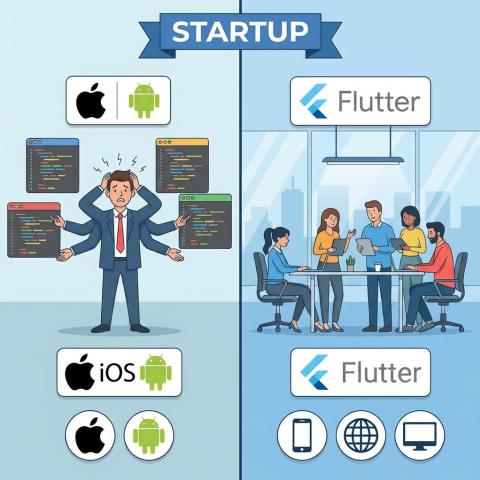
One of the primary challenges in enterprise app development is ensuring consistency across different platforms. With Flutter, developers can use a single codebase to target multiple platforms without sacrificing performance or user experience. This reduces the need for separate teams or codebases for iOS and Android, ultimately saving time and cost.
A recent survey from Statista reveals that 39% of developers consider cross-platform development frameworks as a top choice for creating mobile applications, with Flutter being one of the top three choices globally.
Scalability for Large Projects
Enterprise applications often require seamless scalability. Flutter’s architecture is designed with scalability in mind, making it easy to manage complex applications with thousands of screens, custom workflows, and sophisticated back-end integrations. Whether you’re developing an e-commerce platform, a customer relationship management (CRM) tool, or an enterprise resource planning (ERP) system, Flutter can handle the demands of large-scale applications.
Enhanced Developer Productivity
Time is money, especially in the world of enterprise development. Flutter’s ability to significantly reduce the development time without compromising quality is one of its biggest draws for businesses.
Faster Development with Hot Reload
Flutter’s hot reload feature allows developers to instantly view the results of code changes. This capability drastically accelerates the development process, allowing teams to iterate faster and test new features without needing to restart the app. For enterprise developers working on complex applications, this speeds up both development and debugging.
Reduced Development Costs
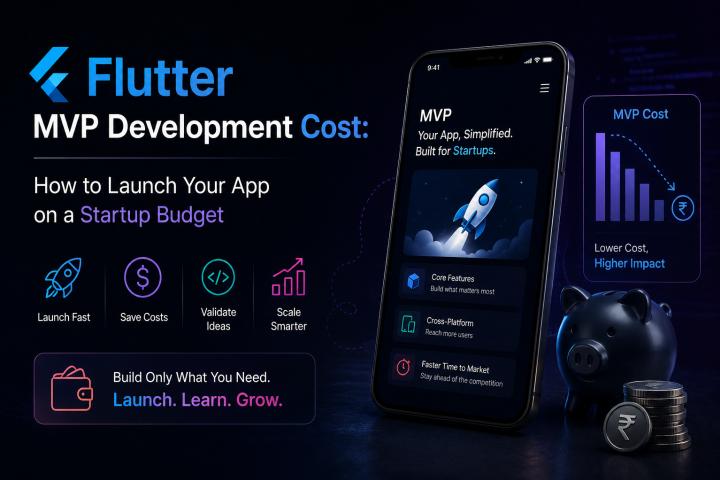
Since Flutter enables developers to use the same codebase across multiple platforms, businesses save money on hiring separate iOS and Android development teams. With the ability to target multiple platforms simultaneously, enterprises can also reduce the time-to-market for new features and updates, further reducing overall development costs.
A Rich User Experience for Enterprise Applications
User experience (UX) is a critical aspect of enterprise apps, and Flutter excels in this area. The framework offers a wide variety of pre-built widgets and tools for creating aesthetically pleasing and user-friendly interfaces.
Customizable Widgets for Tailored UX
Flutter’s widget-based architecture allows developers to customize every aspect of the UI, from layout to animations. This is particularly useful for enterprise applications that require a unique or branded look and feel.
Smooth Animations and Transitions
Enterprise apps often involve complex workflows and data-heavy interactions. Flutter allows for smooth animations and transitions, ensuring that users can navigate through these processes without delays or interruptions. The framework’s GPU-accelerated rendering engine ensures that even the most resource-intensive UIs perform well.
Security and Reliability for Enterprise-Grade Apps
For enterprise applications, security is non-negotiable. Flutter ensures that your app is built with robust security measures, protecting both user data and internal business information.
Data Encryption and Secure Communication
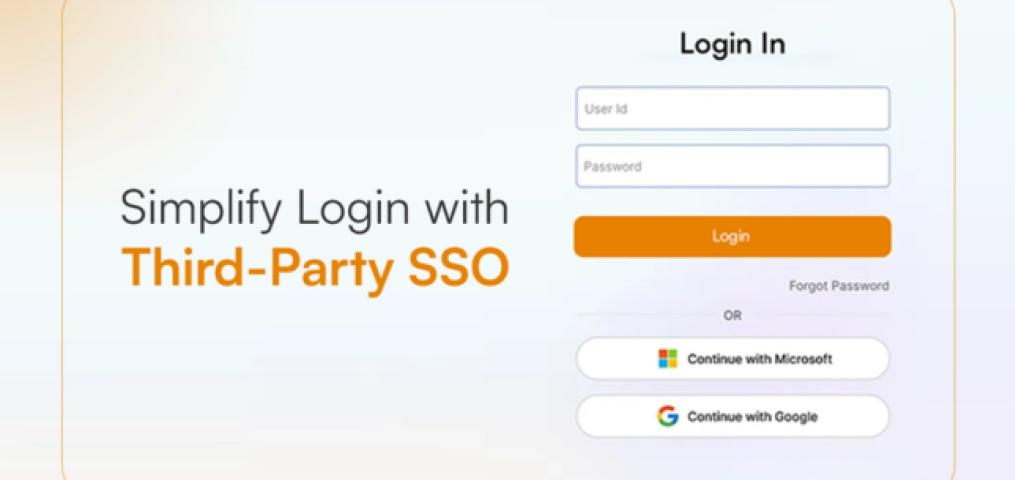
Flutter offers integration with popular third-party libraries and tools to ensure secure data encryption and communication. For example, developers can easily integrate SSL/TLS encryption, ensuring that all data sent between the app and server is secure. Additionally, Flutter supports OAuth and JWT for authentication and secure access control.
Reliability and Stability
Enterprise apps need to be stable and reliable, with minimal downtime. Flutter’s stable release cycles and active community contribute to a robust and reliable platform. Google’s continuous investment in the framework, including its integration with Firebase for backend services, ensures that Flutter remains a trustworthy option for mission-critical applications.
Best Practices & Implementation Tips for Flutter in Enterprise Development
Adopting Flutter for enterprise app development requires careful planning and implementation. Here are some best practices to consider when integrating Flutter into your tech stack:
1. Plan for Long-Term Scalability
As enterprise applications grow, so do the requirements. Plan for scalability from the outset. Flutter’s flexible architecture can scale with your business, but you should make sure your codebase remains modular and maintainable. Break down large projects into smaller, reusable components to make future updates and integrations easier.
2. Leverage Flutter’s Ecosystem
Flutter’s ecosystem is growing rapidly, with a wealth of packages and plugins available for everything from payment gateways to analytics. Take full advantage of these resources to speed up development and enhance functionality. However, be mindful of the quality of third-party packages to avoid introducing vulnerabilities into your app.
3. Optimize Performance from the Start
While Flutter offers excellent performance, it’s essential to keep performance optimization in mind. Avoid unnecessary widget rebuilding, optimize images for mobile screens, and consider lazy loading for large data sets. Proper state management is crucial for ensuring the app runs efficiently, especially when working with real-time data.
4. Test Extensively
Given the complexity of enterprise applications, comprehensive testing is crucial. Flutter provides a solid testing framework, including unit tests, widget tests, and integration tests, to ensure your app performs as expected across different devices and platforms. Be sure to test under real-world conditions to catch potential performance bottlenecks.
Conclusion: Flutter’s Promise for the Future of Enterprise App Development
The decision to choose Flutter for enterprise app development is a strategic one. The framework offers a compelling mix of cross-platform compatibility, fast development cycles, rich user interfaces, and robust security—all crucial for the success of modern enterprise applications. As businesses continue to demand faster delivery times, higher performance, and seamless user experiences, Flutter stands out as an invaluable tool in the enterprise app development landscape.
By leveraging the power of Flutter application development services, enterprises can streamline their development processes, reduce costs, and future-proof their applications. With ongoing community support and continuous updates from Google, Flutter is set to remain a leading choice for forward-thinking enterprises looking to stay ahead of the competition.