Satellite Internet: Everything You Need to Know
Staying connected is a necessity now. Whether for work, education, or entertainment, reliable internet access has become essential. But what do you do if you live or travel in places without cable or fiber? That's where satellite internet comes in.
This technology has been around for decades, but modern improvements have made it faster, more reliable, and easier to access than before. In this guide, we’ll cover everything about satellite internet, from how it works to its benefits, drawbacks, and common uses.
How Satellite Internet Works
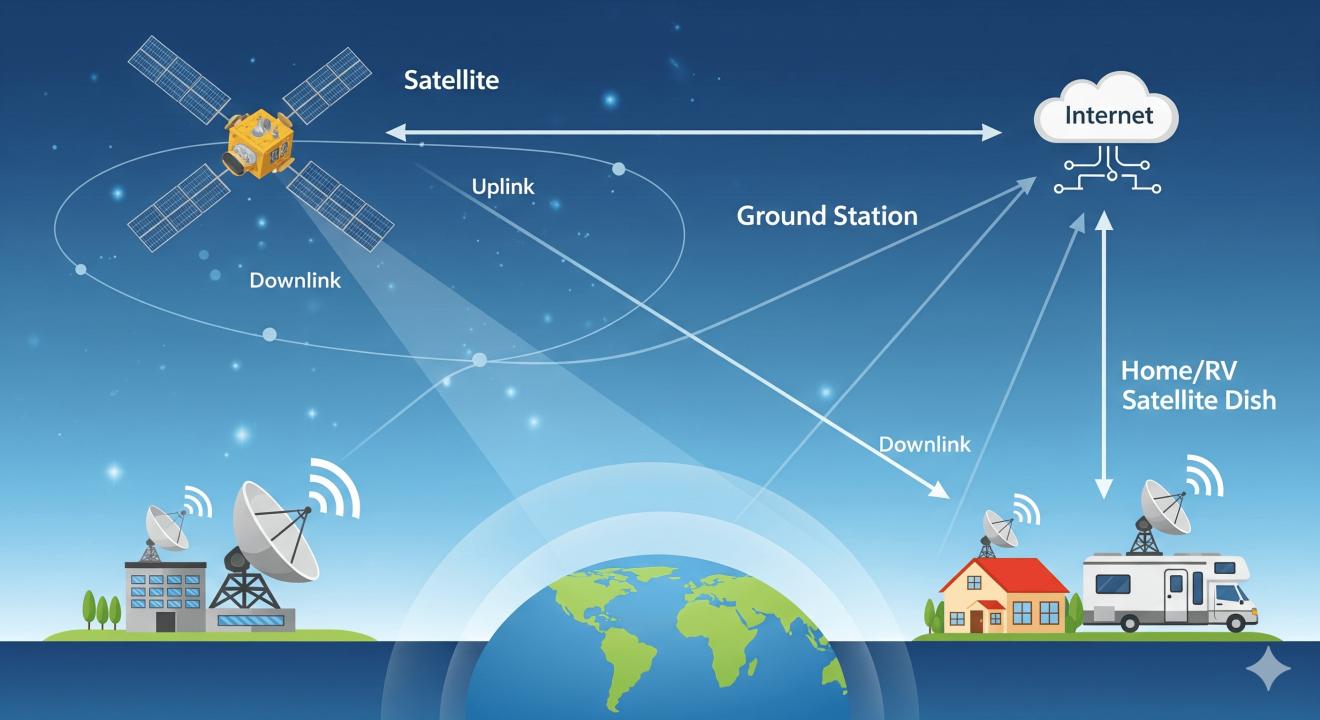
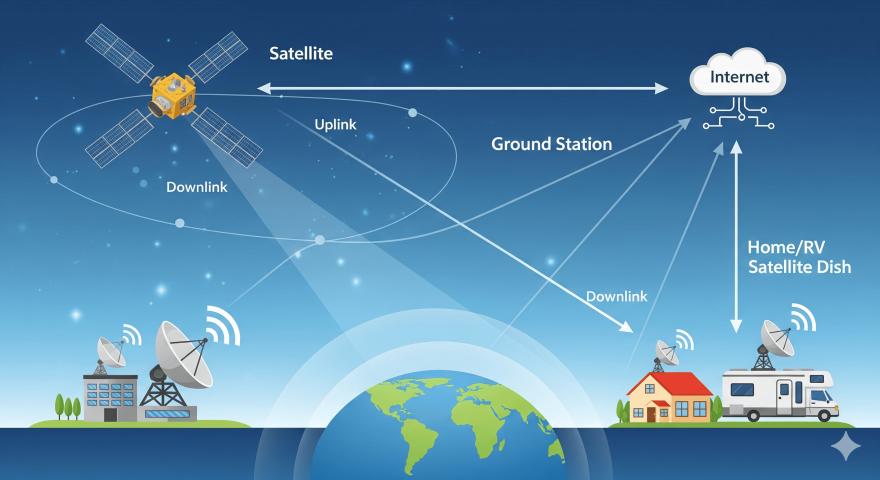
Satellite internet connects you through a network of satellites orbiting Earth. Instead of using underground cables or cell towers, it sends signals directly between a satellite dish at your location and satellites in space. These satellites then communicate with ground stations, connecting you to the wider internet.
This system explains what satellite internet is. It provides connectivity to the most remote areas. This makes it a great option for rural homes, RV travelers, and places where traditional broadband isn’t available.
Benefits of Satellite Internet
One major advantage of satellite internet is its availability. Unlike fiber or cable, which need expensive infrastructure, satellites can reach almost any spot with a clear view of the sky. For those in rural areas, it may be their only practical choice.
Mobility is another benefit. RVers, truckers, and travelers can use satellite internet systems made for vehicles, allowing them to stay connected while on the road or at campgrounds. It’s also crucial during natural disasters when ground-based systems may be damaged.
Modern satellite providers offer higher speeds than in the past, often enough to stream, work remotely, or browse comfortably. This makes satellite a more competitive option compared to DSL or outdated rural internet solutions.
Limitations to Consider
While the satellite internet has improved, it’s important to know its limitations. Latency, or signal delay, is a big challenge. Since signals must travel thousands of miles to satellites and back, you might notice delays during video calls or online gaming.
Data caps are another consideration. Many providers limit monthly data usage, and going over those limits can slow down your speeds.
Weather can also affect performance. Heavy rain or snow might disrupt the signal, though modern systems aim to reduce these issues.
Furthermore, satellite internet tends to be pricier than other options due to the technology involved. For those with access to fiber or cable, those could be more cost-effective.
Who Uses Satellite Internet?
Satellite internet is especially popular among people living in remote areas. Farmers, homesteaders, and rural residents often rely on it when no other broadband is available. RV travelers use portable satellite setups to stay online while exploring.
Businesses and government organizations in remote locations, such as mining sites, oil rigs, and research stations, also widely use it. In short, satellite internet isn’t just for homes; it plays a vital role in industries where connectivity matters.
The Future of Satellite Internet
Recent advancements such as low-Earth orbit (LEO) satellites are changing the industry. Unlike traditional satellites in higher orbits, LEO satellites are closer to Earth, greatly reducing latency.
Several companies are launching networks of these satellites, promising faster and more stable service. As the technology grows, satellite internet is becoming a more mainstream option. It’s not just a last resort anymore; it's a competitive choice, especially for those who value flexibility and accessibility.
Why Ubifi Stands Out
While many providers offer satellite internet, Ubifi focuses on what users need: reliability, speed, and flexibility. Unlike providers with restrictive data caps or slowdowns, Ubifi offers plans designed for modern internet use—whether you’re streaming, video calling, or working remotely.
For RVers and travelers, Ubifi provides mobile-friendly options that keep you connected without the hassle of losing service in rural areas. Its equipment is easy to set up, and customer support is committed to helping users stay online smoothly.
What really makes Ubifi unique is its focus on rural and mobile life>
FAQs On Satellite Internet
1. Is satellite internet fast enough for streaming?
Yes, most modern satellite internet providers offer speeds that support streaming in standard or high definition. However, data caps may limit how much you can stream in a month.
2. Does weather affect satellite internet?
Yes, severe weather like heavy rain or snow can temporarily disrupt service. However, modern systems are built to reduce these interruptions and quickly restore performance.
3. Can I use satellite internet for gaming?
You can game with satellite internet, but latency may cause noticeable delays in fast-paced multiplayer games. Casual or turn-based games work better.
4. Is satellite internet available everywhere?
Almost. As long as you have a clear view of the sky, satellite internet can reach your location, even in rural or remote areas where other options aren’t available.
5. How much does satellite internet cost?
Prices vary by provider and plan but generally cost more than DSL or cable. Expect higher monthly fees due to equipment and technology costs.
6. Can I use satellite internet in my RV?
Yes, many providers have satellite systems designed for RVs, allowing you to stay connected on the road or at campsites with a clear view of the sky.
Conclusion
Satellite internet has advanced significantly from its early days of slow speeds and high costs. Today, it serves as a lifeline for millions who would otherwise lack reliable connectivity. While it has challenges like latency and data caps, its benefits, especially widespread availability, make it a strong solution.
With new satellite networks emerging, the future looks promising for this technology. And with providers like Ubifi leading the way in delivering user-focused solutions, satellite internet is more than just a backup option. It’s a dependable choice for modern living.
If you live in a rural area, travel frequently in an RV, or need an internet option where others fall short, satellite internet could be just what you need to stay connected.