
Introduction
Cables are everywhere around us. We use them every day without even thinking about it. They help our devices talk to each other and get power. But do you know which cables people use the most?
Today we will learn about the four cables that almost everyone has at home. These computer wires and other cables make our digital life possible. By the end of this guide, you will know exactly what each cable does and why we need them.
The Four Most Commonly Used Cables
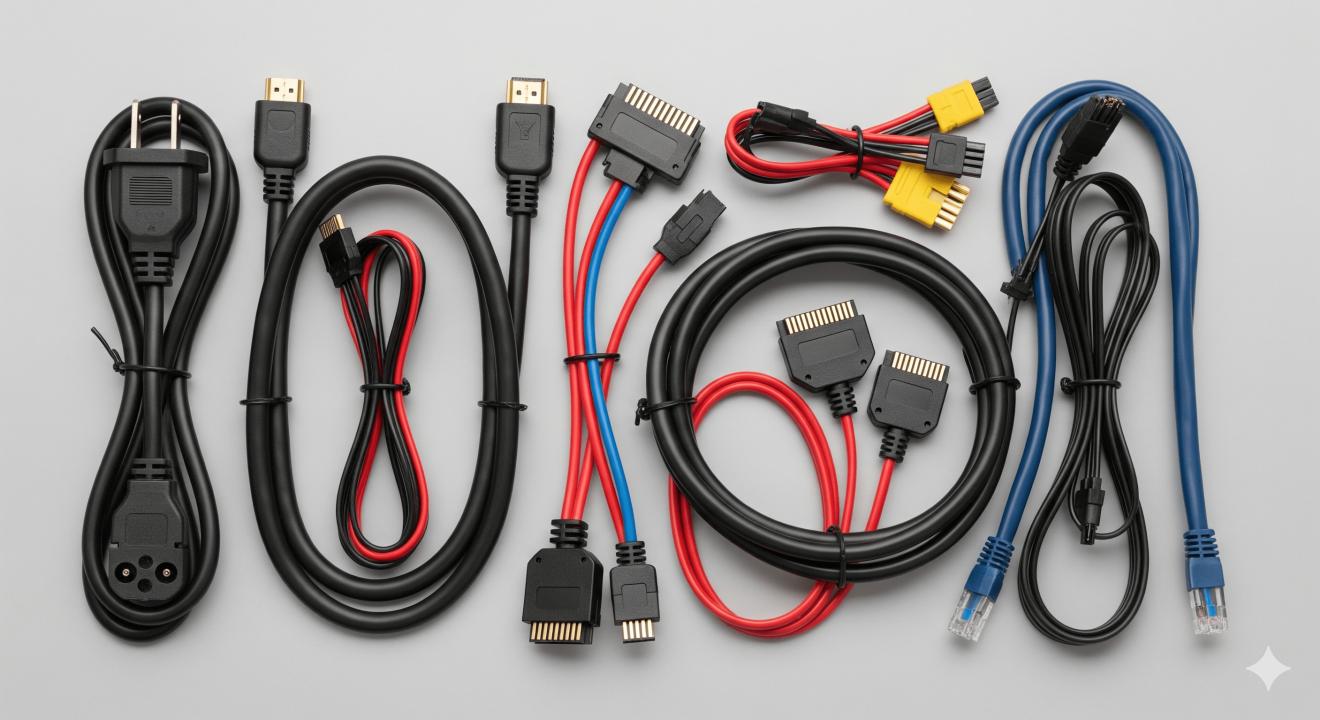
The four most commonly used cables are USB cables, HDMI cables, Ethernet cables, and power cables. These four types of computer wires and connectors help us charge devices, connect to the internet, watch movies, and power our electronics every single day.
1. USB Cables - The Universal Helper
What Are USB Cables?
USB stands for Universal Serial Bus. These cables are super popular because they work with many different devices. You probably have several USB cables at home right now.
Most phones use USB cables to charge. You can also use them to move pictures from your phone to your computer. They come in different shapes and sizes, but they all do similar jobs.
Types of USB Cables
The most common USB cables include USB-A, USB-C, and micro-USB. USB-A cables have that flat, rectangular end that fits into computers. USB-C cables are newer and work both ways, so you cannot plug them in wrong.
Micro-USB cables are smaller and work with older phones and small devices. Many people still use these computer wires for their older gadgets.
Why USB Cables Are So Popular
USB cables work with almost everything. They charge phones, connect keyboards, move files between devices, and power small electronics. This makes them incredibly useful for everyday tasks.
You can find USB ports on computers, cars, wall outlets, and even airplanes. This makes USB cables the most versatile computer wires you can own.
2. HDMI Cables - Your Window to Entertainment
Understanding HDMI Cables
HDMI means High-Definition Multimedia Interface. These cables carry both video and sound signals. When you want to watch Netflix on your TV using your laptop, you need an HDMI cable.
These computer wires have become essential for home entertainment. They connect gaming systems, streaming devices, computers, and DVD players to your TV or monitor.
What Makes HDMI Special
HDMI cables can carry high-quality video and crystal-clear audio through one single cable. This means you do not need separate cables for sound and picture. Everything goes through one wire.
Modern HDMI cables support 4K video quality. This gives you super sharp pictures when you watch movies or play video games. The quality is so good that you can see every tiny detail on the screen.
Common HDMI Uses
People use HDMI cables to connect laptops to big screens for presentations. Gamers use them to connect their PlayStation or Xbox to their TV. Families use them to stream movies from their phone to the living room TV.
These versatile computer wires also work great for showing photos from your camera on a big screen. Everyone can see your vacation pictures clearly.
3. Ethernet Cables - The Internet Highway
What Are Ethernet Cables?
Ethernet cables connect devices directly to the internet. They look like thick phone cables with plastic clips on the ends. These computer wires create a super-fast internet connection.
While Wi-Fi is convenient, Ethernet cables give you the fastest and most reliable internet connection possible. Gamers and people who work from home often prefer these cables.
How Ethernet Cables Work
These cables carry internet data through copper wires inside them. The data travels at incredible speeds, much faster than wireless connections. This makes them perfect for activities that need lots of internet bandwidth.
When you plug an Ethernet cable into your computer and router, you get a direct connection to the internet. This connection does not slow down when other people use Wi-Fi in your house.
Benefits of Using Ethernet
Ethernet connections are more stable than Wi-Fi. They do not drop out or get slower when you move around. This makes them perfect for online gaming, video calls, and downloading large files.
Many offices use these computer wires to connect all their computers to the internet. This ensures everyone gets fast, reliable internet for their work.
4. Power Cables - The Life Source
Understanding Power Cables
Power cables bring electricity from the wall outlet to your devices. Every electronic device needs power to work, making these the most essential cables of all.
These computer wires come in many different shapes and sizes. Laptops have thick power cables, while phone chargers have thinner ones. Each device needs the right amount of power to work safely.
Different Types of Power Cables
Laptop power cables usually have a brick-shaped adapter in the middle. This adapter changes the electricity from the wall into the right type for your laptop. Phone chargers work similarly but are much smaller.
Some power cables plug directly into the wall without an adapter. These work for devices that can handle regular wall electricity safely.
Why Power Cables Matter
Without power cables, none of our devices would work. They keep our phones charged, our computers running, and our TVs turned on. These essential computer wires make modern life possible.
Good power cables also protect your devices. They prevent too much electricity from reaching your device, which could break it. This makes them both powerful and protective.
How These Cables Work Together
Creating a Complete System
These four types of cables work together to create our modern digital world. Your computer needs a power cable to turn on, an Ethernet cable for fast internet, and HDMI cables to connect to monitors.
USB cables help you charge your phone and connect accessories. When you use all these computer wires together, you can work, play games, watch movies, and stay connected with friends.
Making Smart Choices
Knowing about these cables helps you make better decisions when buying new devices. You can check what cables come in the box and what extra ones you might need.
This knowledge also helps when something stops working. You can figure out if you need a new cable or if the problem is somewhere else.
Taking Care of Your Cables
Simple Maintenance Tips
Keep your cables organized and untangled. Twisted cables can break inside and stop working. Store them carefully when you are not using them.
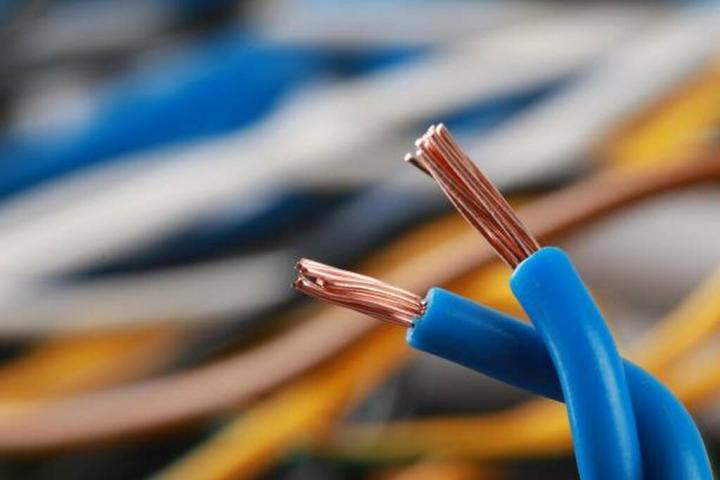
Avoid bending cables too sharply, especially near the ends. This can damage the computer wires inside and make them stop working properly.
When to Replace Cables
Replace cables when they start showing wear and tear. Frayed or damaged cables can be dangerous and might not work properly.
If a cable stops working reliably, get a new one. Old or damaged computer wires can cause problems with your devices.
Conclusion
The four most commonly used cables - USB, HDMI, Ethernet, and power cables - form the backbone of our connected world. These essential computer wires help us charge devices, connect to the internet, enjoy entertainment, and power our electronics.
Understanding these cables helps you make better decisions about your technology. You can choose the right cables for your needs and keep your devices working perfectly.
Next time you look around your home or office, you will probably see all four of these cable types. They work quietly in the background, making our digital lives smooth and enjoyable.
Sources: https://wishpostings.com/how-to-choose-the-right-computer-cables/
https://sharefolks.com/view/what-is-the-lifespan-of-a-computer-cable