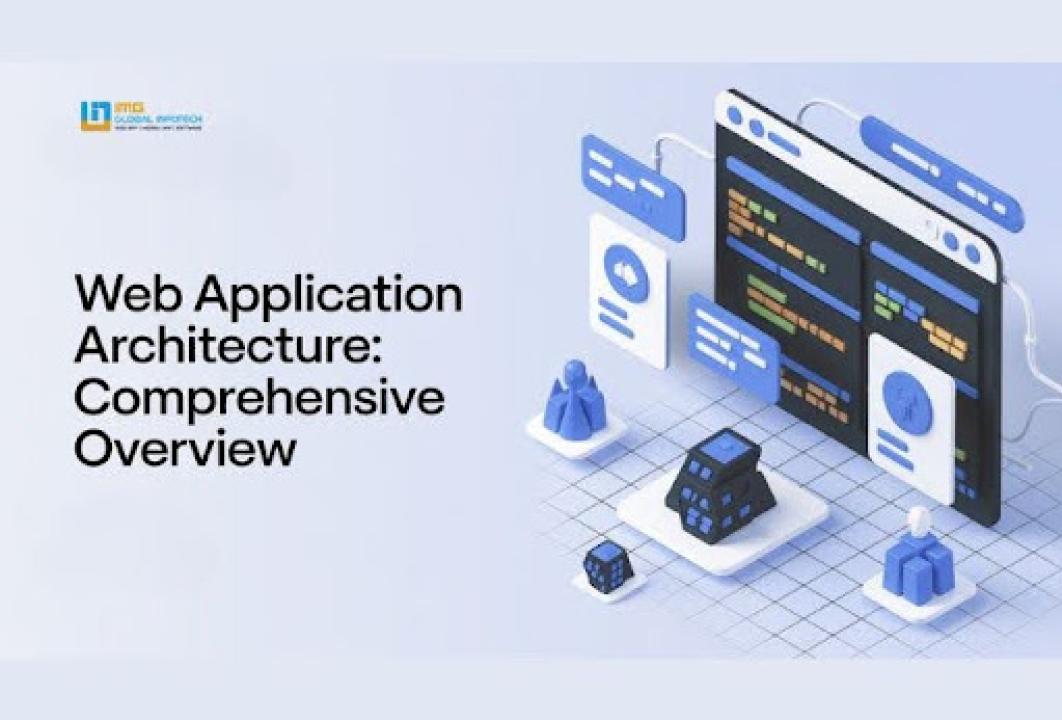

In today's digital-first era, where businesses, consumers, and services are moving online, web applications have become the foundation of seamless digital experiences. Behind every successful web app lies a well-structured architecture that determines how efficiently it functions, scales, and serves users. Web application architecture is the backbone of this functionality — ensuring reliable communication between client and server, optimized data handling, and a responsive user interface.
This article provides a comprehensive overview of web application architecture, its types, key components, and the modern trends reshaping its landscape.
1. What is Web Application Architecture?
Web application architecture defines the layout and interactions of all the components involved in a web application. It includes how front-end and back-end components interact, how data is exchanged, and how the overall system ensures functionality, scalability, and security.
Think of it as a blueprint that outlines how an application will function — ensuring user requests are processed efficiently and returned with accurate data. Without a solid architecture, apps can become slow, insecure, and difficult to maintain.
2. Key Components of Web Application Architecture
To understand how a web application works, it’s crucial to identify its core components:
a. Frontend (Client Side)
The frontend is the visual part of the application that users interact with. Built using HTML, CSS, and JavaScript (and frameworks like React, Vue, or Angular), it captures user inputs and sends them to the backend.
b. Backend (Server Side)
The backend processes client requests, executes logic, accesses databases, and returns results. This part can be developed using languages such as Node.js, Python, PHP, Ruby, or Java.
c. Database
Web applications store data in structured (SQL) or unstructured (NoSQL) databases. The architecture must support fast data access and proper indexing for performance.
d. Middleware
Middleware acts as a bridge between frontend and backend, managing authentication, logging, and API communication. It ensures smooth interaction across various services.
e. Infrastructure
This includes servers, load balancers, and cloud services that host and scale the application. Technologies like Docker and Kubernetes enable containerization and microservices deployment.
3. How Web Application Architecture Works
The process begins when a user interacts with the frontend (e.g., submitting a form). This input is sent via HTTP/S requests to the backend. The backend processes the request, interacts with the database if needed, and sends a response back to the client.
In between, middleware may validate the request or handle security checks. APIs (especially REST or GraphQL) play a key role in enabling communication between the frontend and backend.
This request-response model defines how data travels through the application, affecting performance, security, and scalability.
4. Types of Web Application Architectures
Different applications have different architecture needs. Here are the most common types:
a. Monolithic Architecture
This is a single, unified codebase where all components (UI, business logic, database access) are tightly coupled. It's easy to develop and deploy but difficult to scale and maintain as the app grows.
b. Microservices Architecture
Microservices divide the application into small, independent services. Each service handles a specific task and communicates via APIs. This approach improves scalability, deployment speed, and maintenance.
c. Serverless Architecture
Serverless apps rely on third-party cloud platforms to manage server operations. Developers only need to write code; the platform handles infrastructure. It’s cost-efficient and highly scalable for event-driven apps.
d. Single Page Applications (SPA)
SPAs load a single HTML page and dynamically update content without refreshing the page. React, Angular, and Vue are popular frameworks for SPAs, which provide a smooth, app-like experience.
e. Multi-Page Applications (MPA)
Traditional web applications where each interaction loads a new page. MPAs are better suited for content-heavy applications like eCommerce platforms.
f. Progressive Web Applications (PWA)
PWAs offer a native app-like experience in the browser, with offline access, push notifications, and fast performance. They’re increasingly popular for mobile-first development strategies.
5. Web Application Component Models
Web applications can also be categorized by how their components are distributed:
a. One-Tier Architecture
All components (UI, business logic, database) exist on a single server. Rarely used today due to scalability limitations.
b. Two-Tier Architecture
Separates client and server, with the client communicating directly with the database. Suitable for small-scale apps.
c. Three-Tier Architecture
Separates presentation, logic, and data layers. It offers better organization, scalability, and security.
d. N-Tier Architecture
Extends the three-tier model with additional layers such as middleware, caching, and load balancing for complex enterprise apps.
6. Choosing the Right Web Architecture
The choice of architecture depends on:
- Application complexity and size
- Expected traffic and scalability needs
- Development timeline and team expertise
- Security, compliance, and data sensitivity
- Budget and hosting preferences
For example, startups may begin with monolithic architecture due to ease of setup, while enterprises often move toward microservices or serverless approaches for flexibility and scale.
7. Best Practices in Web Application Architecture
To ensure performance, scalability, and maintainability, developers follow these best practices:
- API-First Design: Enables flexibility in connecting frontend and backend.
- Code Splitting: Loads only necessary resources, improving page load time.
- Caching & CDN Usage: Reduces server load and speeds up data delivery.
- Authentication & Authorization: Secure user data and access control.
- Containerization: Use Docker/Kubernetes for better scalability and deployment.
8. Trends Shaping the Future of Web Architecture
With rapid advancements in web development, modern trends are influencing how architects design applications:
- JAMstack (JavaScript, APIs, Markup): Improves performance and security with static site generation and headless CMS.
- Edge Computing: Brings processing closer to users, reducing latency.
- GraphQL APIs: Offers more flexibility and efficiency than REST APIs.
- AI Integration: Smarter apps that learn user behavior and personalize content.
- WebAssembly: Enables high-performance web apps in languages like Rust or C++.
These Web Development Trends in 2025 will push architects to prioritize speed, user experience, and resilience in web application designs.
9. Challenges in Web Application Architecture
Despite its advantages, web architecture comes with challenges:
- Scalability: Managing sudden traffic spikes requires smart load balancing.
- Security Risks: From XSS to SQL injection, apps need strong defenses.
- Data Management: Ensuring consistency across distributed databases can be complex.
- Maintenance Overhead: Especially in microservices, tracking dependencies and updates can become burdensome.
10. Web Architecture and Business Strategy
Your web application architecture directly affects your business outcomes. A scalable, secure, and responsive app enhances customer satisfaction and supports growth. It also aligns with modern Digital Marketing Strategies by ensuring SEO-friendliness, mobile compatibility, and fast loading — all essential for higher engagement and conversion rates.
When considering architecture, align it with your business goals, marketing objectives, and long-term digital roadmap.
11. Case in Point: Jaipur's Web Development Excellence
Many modern businesses are turning to regional expertise to build robust, scalable web apps. For instance, a Web Development Company in Jaipur combines modern architecture models with local insights to create cost-effective yet advanced applications. These firms stay updated on global trends while offering personalized services that support both startups and large enterprises.
Conclusion
Web application architecture is the silent enabler behind fast, scalable, and user-friendly web applications. From choosing the right type (monolithic, microservices, serverless) to implementing key components (frontend, backend, databases, middleware), every decision impacts the app's success.
As we look ahead to the Future of Web Development, staying aligned with modern trends, leveraging intelligent designs, and focusing on scalability will be crucial. Whether you're a startup founder, CTO, or digital strategist, understanding architecture gives you the foundation to make informed decisions and deliver web experiences that delight users and support your business goal.