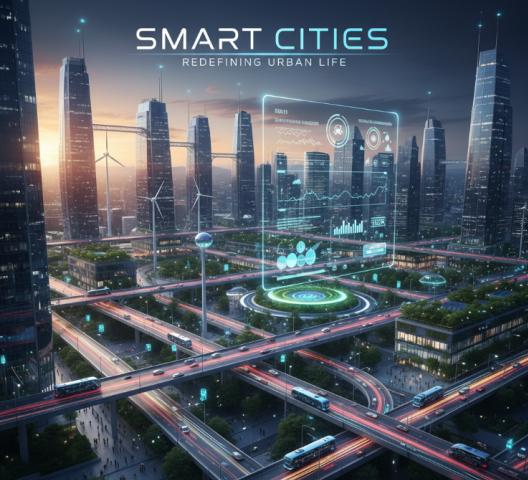
Smart Cities Redefining Urban Life
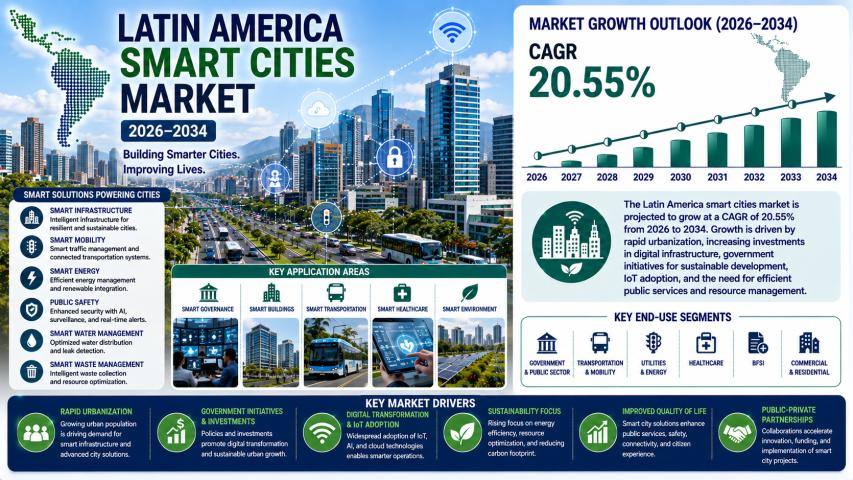
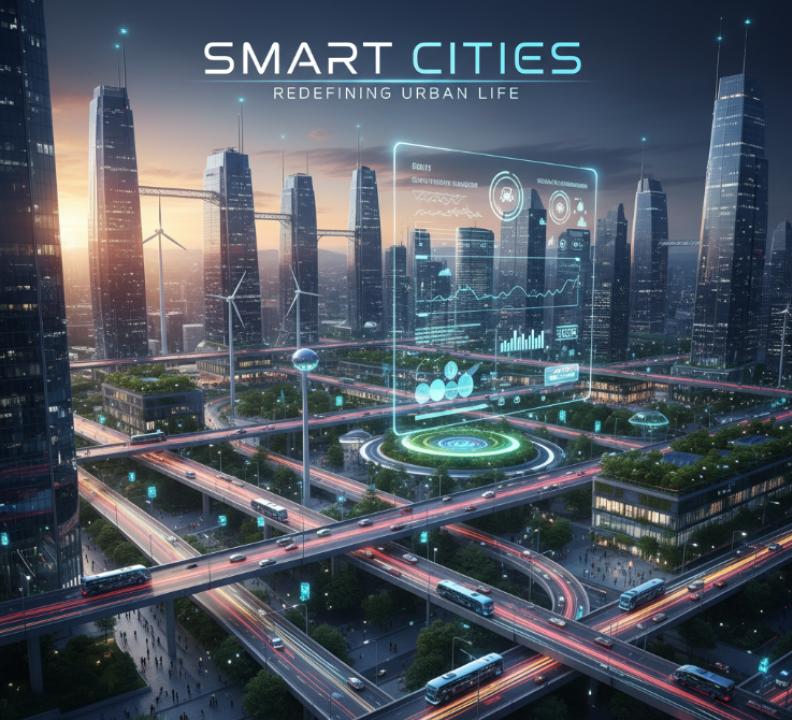
Urban development is entering a new era where data-driven infrastructure shapes everything from transportation to public safety. Connected sensors, 5G networks, and predictive analytics allow cities to optimize traffic flow, reduce energy consumption, and enhance emergency response. These intelligent systems learn continuously, making each day more efficient than the last. To support such innovation, researchers need to generate fresh ideas rapidly. Platforms like the Research Title Generator help innovators explore trending concepts such as autonomous public transit or climate-resilient architecture by producing unique angles for reports or white papers in seconds.
Quantum Computing’s Expanding Frontier
Quantum computing is no longer confined to labs; it’s slowly entering industries like finance, healthcare, and cybersecurity. By manipulating qubits instead of binary bits, these machines can perform calculations previously thought impossible. But the complexity of explaining quantum applications to investors or stakeholders demands structured documentation. That’s where advanced planning tools such as the Research Paper Writer prove invaluable. Acting like a research maker, it organizes complex findings into clear outlines, enabling scientists and developers to share breakthroughs in language accessible to both experts and the public.
Securing Data in a Hyper connected World
As technology connects billions of devices, cyber threats grow more sophisticated. Protecting intellectual property and user privacy requires rigorous checks on every report, proposal, and publication. An AI Content Detector provides a critical safeguard, ensuring that technical documentation remains original and free from hidden duplication. By validating the authenticity of research papers, startup pitches, and cyber security audits, it strengthens trust between companies and their audiences an essential element when data is the world’s most valuable resource.
The Rise of Mixed Reality Experiences
Augmented and virtual reality are transforming entertainment, education, and remote work. From immersive classrooms to collaborative 3D design studios, mixed reality bridges the gap between the physical and digital. Developers now integrate real-time spatial computing with AI-driven personalization, creating experiences that feel both natural and futuristic. Innovators often combine multiple advanced platforms to prototype and test these environments, mirroring how next-generation research tools simplify content creation and accelerate collaboration.
Conclusion
Technology’s rapid evolution from smart cities to quantum processors and mixed reality depends on more than brilliant ideas; it thrives on writing tools to boost efficiency and communication clarity. Today’s most forward-thinking teams pair groundbreaking engineering with streamlined workflows that eliminate repetitive tasks and enhance accuracy. This synergy of human creativity and intelligent automation ensures that discoveries move swiftly from concept to global impact, keeping industries and society at the forefront of progress.
Read other helpful blogs
Writing in The Age of AI technology
Digital Innovations Driving the Next Tech Era