Imagine your customers paying their electricity, water, or internet bills in just a few taps without visiting offices, waiting in queues, or juggling multiple apps. That’s not just convenience. That’s customer loyalty in the making.
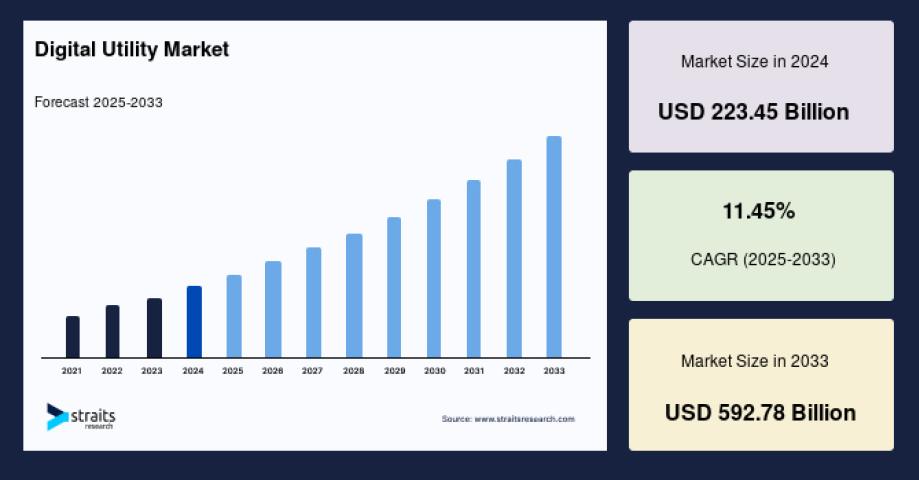
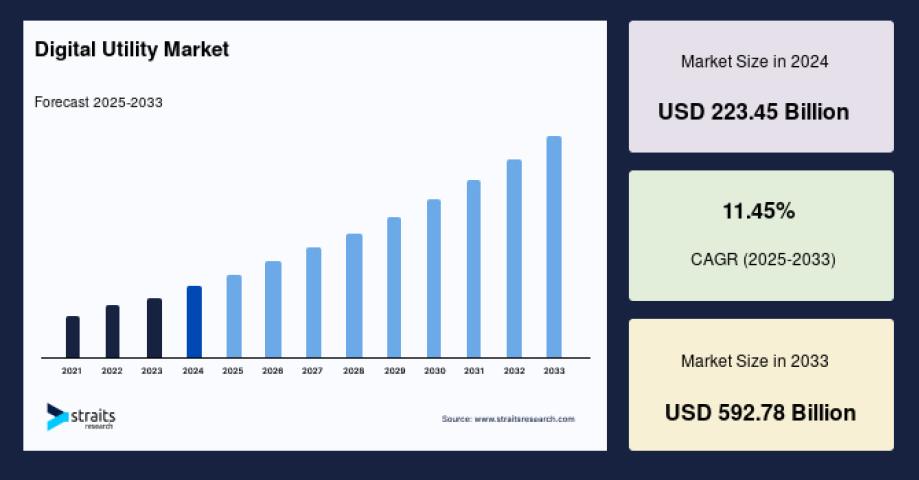
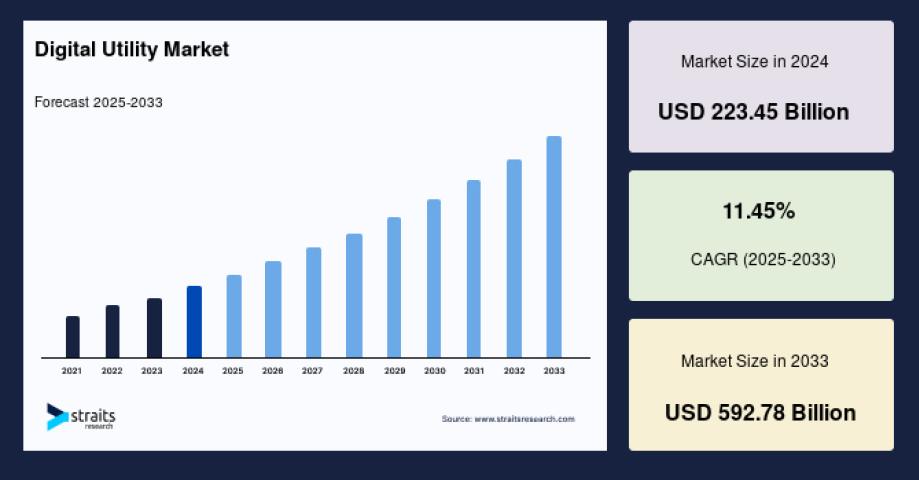
Today, utility bill payments have shifted from counters to clicks. In 2024, more than 65% of global bill payments happened digitally, and this number is growing every year. Customers expect their banking or wallet app to do more than just hold money. They want it to be their one-stop platform for all financial needs.
If your bank and financial institution offer utility bill payments directly in your eWallets, you not only meet this demand but also create recurring engagement. And as a bank/financial institution, if you are not doing that, then you are definitely lagging. Remember Nokia, when it was time to adapt to Android, it still stuck with its operating system; the result: It vanished from the market.
Likewise, the same would happen to you if you don’t take action quickly.
Well, how do you make this feature work for your business?
Let’s break it down step-by-step and see why integrating utility bill payments in your eWallet solution is a game-changer.
Why adding utility bill payments to eWallets is a game-changer
Your customers already trust you with their money. Now, give them a reason to trust you with their time. Here’s why you should do that.
Growing consumer demand for digital bill payments
The modern customer values speed and ease. Utility bill payments in eWallets let your users settle bills anytime, anywhere, without switching platforms. According to a Juniper Research report, digital bill payment transactions are set to exceed $5 trillion globally by 2027. If your app doesn’t offer it, customers will go where they can get it.
Strengthening customer loyalty and retention
When you offer top-up and bill payments in your app, you become part of your customers’ monthly routine. Instead of using multiple apps, they stick to yours for convenience. Over time, this builds loyalty and reduces the risk of them switching to competitors.
New revenue opportunities through bill commissions
Every bill payment of your customers brings micro-commissions from service providers. And multiply that by thousands of users, and you have a steady revenue stream without increasing customer acquisition costs.
Step-by-step guide to launching the utility bill payment feature
To make this feature work, you need the right strategy, partners, and technology. You can consider the following points while choosing a partner for yourself:
Identify the most popular utility services to integrate
You can start with high-demand services like electricity, water, gas, telecom, and internet. This ensures maximum adoption from day one in your eWallet system.
Partner with reliable bill aggregators and service providers
Bill aggregators give you access to multiple utility providers through a single integration. This saves you time, reduces complexity, and ensures a smooth user experience.
Choose a scalable and secure eWallet solution
Your ewallet solution should handle large volumes, support multiple payment methods, and meet the highest security standards. So, features like interoperability, fraud prevention, and instant settlements are essential.
Integrate APIs for real-time payments and confirmations
Your customers expect instant payment confirmations and receipts from your wallet. A delay, even of a few minutes, can lead to support calls and mistrust. Real-time API integrations solve this.
Ensure compliance with local and international payment regulations
From KYC to AML checks, compliance is non-negotiable. Following regulatory requirements protects both your institution and your customers.
From design to launch – Ensuring the success of your utility bill payment feature
Building the feature is only half the job. You must ensure it delivers the experience customers expect.
Designing the user experience for maximum adoption
You should keep your interface simple. Place top-up and bill payments in the main menu. Use clear labels, minimal steps, and visible payment history. Plus, add personalized bill reminders so your customers never miss a due date.
Testing and launching the feature seamlessly
After designing your interface, you then run a pilot test with a limited set of users. This helps you fix technical issues before the full launch. Additionally, train your staff and customer support teams to handle questions and troubleshoot quickly.
Promoting the feature to drive usage
In-app banners, push notifications, and limited-time cashback offers work well. So, you should also partner with utility companies for co-branded campaigns that boost trust and visibility.
Educating customers for better adoption
A great feature won’t succeed if customers don’t know how to use it. You should create short video tutorials, in-app walkthroughs, or FAQs to guide them through the process. Apart from that, conduct awareness campaigns via email, SMS, or social media. When customers clearly understand the benefits and steps, adoption rates rise significantly.
Measuring and optimizing post-launch performance
After making your bill payment feature live, track your customer transaction volumes, revenue from commissions, and customer feedback. And then use this data to refine the feature and add more services over time.
Conclusion
You now know what it takes to integrate and launch utility bill payments in eWallet. This is not just another add-on. It’s a feature that drives daily engagement, builds loyalty, and opens new revenue streams.
The market is moving fast, and customers expect more from their financial apps every month. If you don’t provide it, someone else will. But if you do it right, you can become your customers’ go-to financial partner.
So, why wait? Offer them the speed, convenience, and reliability they deserve. Build your eWallet into a service they can’t imagine living without.