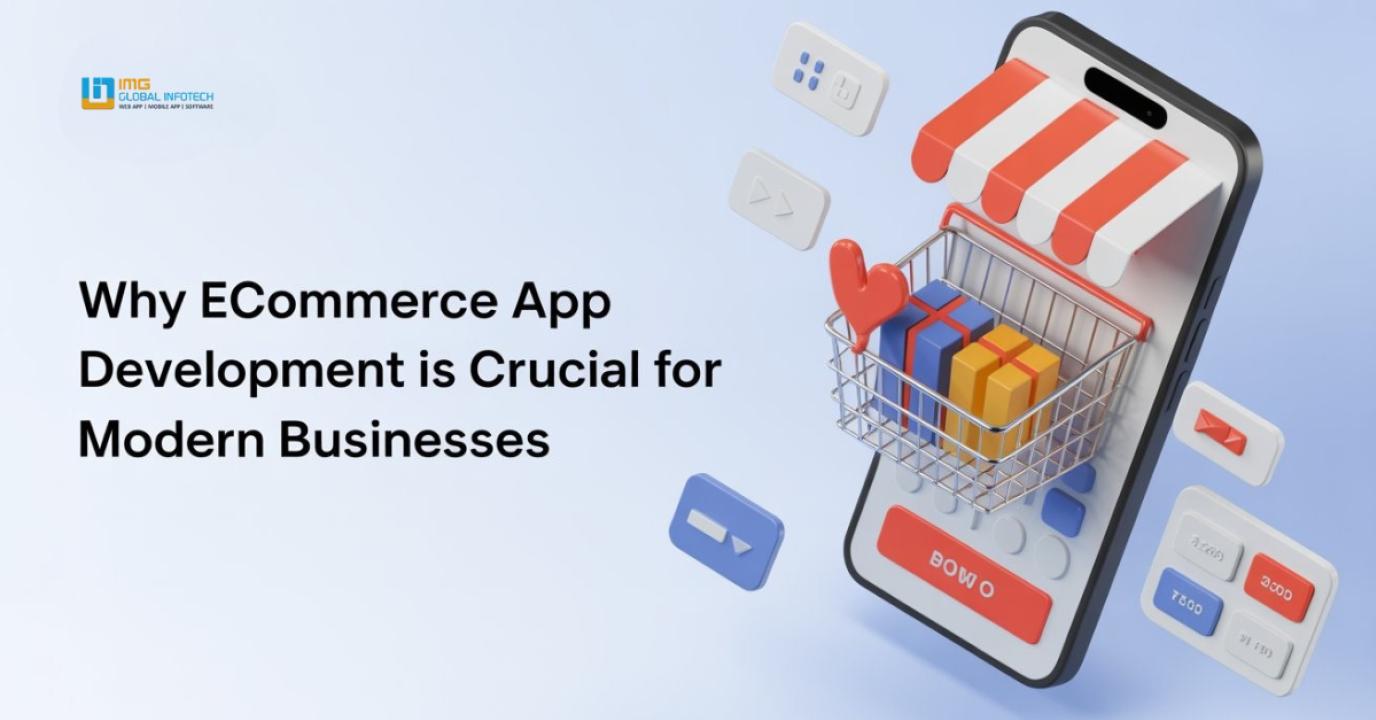
In today’s hyper-connected world, consumer expectations are evolving at lightning speed. With smartphones becoming the center of our digital lives, ecommerce is no longer limited to desktops or even mobile websites. Consumers now demand instant, convenient, and personalized shopping experiences and ecommerce apps deliver exactly that. As a result, ecommerce app development is no longer a luxury but a necessity for modern businesses aiming to survive and thrive in this competitive digital marketplace.
Let’s explore why ecommerce app development plays a critical role in shaping modern business success.
1. The Shift in Consumer Behavior
Consumer behavior has experienced a massive shift in the past decade. People are increasingly relying on mobile devices for everything from social networking and entertainment to shopping and banking. According to Statista, mobile ecommerce sales accounted for over 70% of total ecommerce sales globally in 2024.
This growing preference for mobile shopping highlights the need for ecommerce apps. Users prefer apps because they provide faster access, smoother experiences, and enhanced usability compared to mobile websites. With consumers expecting convenience at their fingertips, ecommerce apps help businesses meet users where they already are on their smartphones.
2. Enhanced User Experience
One of the most compelling reasons to invest in ecommerce app development is the improved user experience it offers. Apps load significantly faster than websites and allow for intuitive, responsive design, which translates to higher user satisfaction.
Features like easy product navigation, one-tap checkout, secure payment options, and saved preferences make shopping more convenient. Additionally, push notifications keep users informed about discounts, restocks, and personalized offers a direct and powerful channel for customer engagement.
Moreover, integrating customer support through live chat or chatbot features in the app can provide real-time assistance, eliminating user frustration and increasing conversion rates.
3. Improved Customer Retention and Loyalty
Ecommerce apps offer multiple ways to build long-term relationships with customers. By utilizing in-app features like loyalty programs, personalized discounts, and membership perks, businesses can reward repeat customers and encourage brand loyalty.
Personalization plays a key role here. With apps tracking user behavior, preferences, and purchase history, brands can tailor content and product recommendations to individual users. This not only improves customer satisfaction but also significantly increases the chances of repeat purchases.
Subscription models and convenient reorder options available through apps make it easy for customers to return and shop again, building consistent revenue streams for businesses.
4. Scalability and Business Growth
A well-built ecommerce app is designed to grow with your business. Whether you're starting small or operating at scale, apps can be structured to support a growing catalog, manage increasing user traffic, and integrate with backend systems like CRMs, ERPs, and marketing automation tools.
This scalability ensures that as your customer base and sales volume increase, your platform remains stable and responsive. During flash sales, festive seasons, or viral marketing campaigns, apps are better equipped to handle traffic spikes compared to websites.
Additionally, ecommerce apps can expand your business globally. With features like multi-language and multi-currency support, businesses can easily reach international customers without building separate platforms.
5. Competitive Advantage in the Market
In today’s crowded digital marketplace, standing out is more challenging than ever. Ecommerce app development offers a way to differentiate your brand by offering innovative features that are hard to replicate on standard websites.
Features like AR-based virtual try-ons (for fashion and cosmetics), AI-powered product suggestions, and voice-enabled search can make the shopping experience more interactive and enjoyable.
Having a dedicated ecommerce app also elevates your brand image, showing customers that you are technologically forward and invested in their convenience. This not only attracts tech-savvy consumers but also builds trust and credibility.
6. Data-Driven Insights and Business Intelligence
Ecommerce apps provide detailed analytics and user insights that are invaluable for strategic decision-making. Every interaction from product views to cart abandonment is data that can help you optimize performance.
- With real-time data, businesses can:
- Identify popular products
- Analyze purchase patterns
- Pinpoint friction points in the user journey
- Conduct A/B testing on offers or layouts
These insights empower businesses to tailor their offerings, streamline marketing strategies, and improve overall user experience, all of which contribute to increased revenue.
7. Integration With Emerging Technologies
The digital commerce landscape is rapidly evolving, and ecommerce apps are at the forefront of this transformation. Emerging technologies like Artificial Intelligence (AI), Augmented Reality (AR), Machine Learning (ML), and Blockchain are being seamlessly integrated into ecommerce apps to create smarter and more secure shopping experiences.
AI-powered chatbots can provide customer service around the clock. AR enables customers to virtually try on products before buying. ML helps personalize the shopping journey by analyzing user behavior. Meanwhile, blockchain ensures secure, transparent transactions, which is vital for building customer trust.
By integrating these technologies, businesses not only future-proof their ecommerce strategy but also offer value-driven, cutting-edge experiences to their customers.
8. Cost Efficiency in the Long Run
While ecommerce app development does require an upfront investment, it proves cost-effective in the long term. Apps reduce operational expenses through automation (like inventory tracking and customer support) and eliminate many costs associated with physical stores.
Apps also offer more precise marketing capabilities. You can send personalized push notifications, implement in-app advertising, and track ROI in real time, making every marketing dollar count.
Ultimately, ecommerce apps enhance ROI by increasing conversions, improving customer retention, and driving repeat sales all while reducing dependency on costly traditional marketing and retail infrastructure.
9. Case Studies or Examples
Consider companies like Nykaa, BigBasket, and Meesho — all Indian ecommerce giants who have grown massively through mobile-first strategies. Nykaa, for instance, reported that over 85% of its sales came through its mobile app in 2024. Their success is rooted in delivering superior mobile experiences, smart personalization, and seamless shopping journeys.
Similarly, local businesses are also following this trend. An Ecommerce Website Development Company in Jaipur recently partnered with regional retailers to create custom mobile apps, helping them scale their operations beyond physical stores and compete effectively in the digital space.
10. How to Get Started with Ecommerce App Development
If you're considering entering the mobile commerce space, start by clearly defining your business goals and understanding your target audience. Identify the features that your customers would value most such as quick checkout, product filters, or wishlist functionality.
Next, choose the right development partner or hire an experienced in-house team. Prioritize building a scalable, secure, and user-friendly app. Essential features to include:
- Product search and filters
- Secure payment gateways
- Push notifications
- Reviews and ratings
- Order tracking and support
Regularly update your app to introduce new features, fix bugs, and ensure compatibility with the latest OS versions.
Conclusion
Ecommerce app development is more than just a tech trend — it’s a strategic move for modern businesses. With consumers leaning heavily on mobile shopping, having a robust, feature-rich ecommerce app can significantly improve user experience, brand loyalty, and sales performance.
In an increasingly digital world, businesses that invest in mobile-first strategies will not only keep pace with customer expectations but also set themselves apart as leaders in innovation. The future of ecommerce lies in the palm of your hand are you ready to seize it?
Frequently Asked Questions (FAQs)
Q1: What is ecommerce app development?
A: Ecommerce app development involves creating mobile applications that allow users to browse products, make purchases, track orders, and interact with brands through their smartphones or tablets.
Q2: Why is ecommerce app development better than just having a website?
A: Apps offer faster performance, enhanced user experience, offline accessibility, and personalization — all of which contribute to higher engagement and conversion rates compared to websites.
Q3: How much does ecommerce app development cost?
A: The cost can vary greatly depending on complexity, features, platforms (iOS/Android), and whether you choose a custom build or use pre-built frameworks. On average, it ranges from $5,000 to $50,000+.
Q4: How long does it take to build an ecommerce app?
A: Development time typically ranges from 2 to 6 months, depending on the app’s complexity, design requirements, and the experience of the development team.
Q5: Can small businesses benefit from ecommerce app development?
A: Absolutely. Even small businesses can gain increased visibility, better customer engagement, and higher revenue through ecommerce apps especially with affordable development options now available.