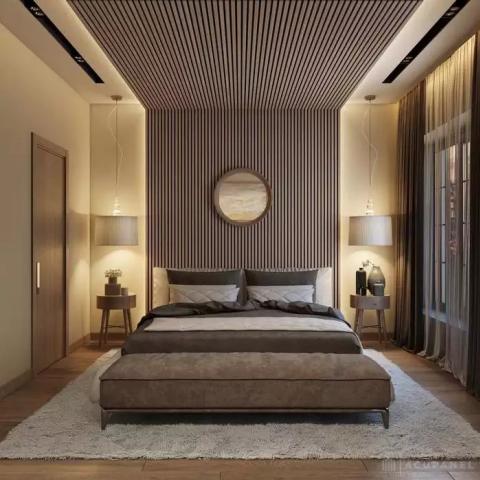
It’s a question that can give any homeowner, studio engineer, or interior designer a moment of pause. You’re investing in beautiful wooden acoustic panels, imagining the perfect blend of sound clarity and warm, natural aesthetics. Then, a nagging thought creeps in: what about termites?
Let’s cut to the chase. Yes, traditional, solid acoustic wood panels can be a target for termites. These pests have a simple motto: "If it's cellulose, it's on the menu." Since wood is their primary food source, any untreated natural wood product in your home is potentially at risk. The thought of these silent invaders munching away at your expensive acoustic wood wall panels is enough to make anyone shudder.
However, before you abandon your dream of a sonically treated and stylish space, take a deep breath. The complete answer is far more reassuring. The modern world of acoustic treatment materials has evolved, offering fantastic solutions that deliver the look and performance you want without sending a dinner invitation to every termite in the neighborhood.
Not All Wood Panels are Created Equal!
This is the most critical part to understand. The term "wood acoustic paneling" can mean several different things, and the termite risk depends entirely on the construction.
The High-Risk Scenario: Solid Wood Panels
If you are installing panels made from solid, untreated pine, oak, or other natural lumber, you are essentially installing a potential termite buffet. These panels are rich in the delicious cellulose termites seek. Without a protective barrier of pesticides or sealants, they are vulnerable. This is why, in termite-prone regions, using solid, untreated wood for any wall application is a gamble.
The Lower-Risk Champions: Engineered and Treated Panels
This is where the industry has innovated to solve this exact problem. Most professional-grade acoustic timber panels and wooden acoustic panels on the market today are not made from a single, solid slab of wood. They are engineered products, and this engineering is your first line of defense.
High-Pressure Laminates and Veneers
Many beautiful panels use a substrate. This is the core material made from MDF (Medium-Density Fiberboard) or other engineered wood that is then covered with a real wood veneer. While MDF contains wood fiber, the resins and glues used in its creation are often unappetizing to termites. Furthermore, the manufacturing process involves high heat and pressure, creating a dense, difficult-to-digest product. When this substrate is then sealed and topped with a veneer, the risk drops significantly.
1.The Power of Treatment: This is the real game-changer. Many manufacturers pre-treat the wood used in their panels, whether it’s a solid panel or a veneer, with borate-based solutions. Borates are a common and effective insecticide that is diffused throughout the wood. It’s not just a surface coating; it’s embedded in the material. When termites attempt to nibble on it, it acts as a stomach poison, effectively stopping them in their tracks. This treatment is long-lasting and doesn't affect the acoustic properties or the look of the wood.
2. Non-Wood Alternatives that Look Like Wood: Technology has advanced to the point where you can get the stunning, authentic look of a wood acoustic diffuser or panel without using any wood at all. Some panels are made from high-density polyester (PET) felt or other synthetic materials that are molded and printed with hyper-realistic wood grain patterns. These are completely immune to termites and often offer excellent acoustic absorption.
Your Best Defense: A Multi-Layered Strategy
Even if you choose treated or engineered panels, peace of mind comes from a proactive, layered approach.
The First and Most Important Layer: Professional Pest Control
The single best thing you can do to protect your entire home, not just your beautiful new acoustic wood wall panels, is to have a professional termite inspection and, if necessary, a soil pre-treatment or baiting system installed around your property’s perimeter. This creates a defensive zone that prevents termites from ever reaching your walls. Think of your panels as the castle, and the pest control as the moat and walls keeping the invaders out.
The Installation Layer: Mind the Gap
During installation, ensure there is a proper air gap behind the panels as recommended for optimal acoustic performance. This space also improves air circulation, making the area less attractive to pests that prefer damp, stagnant environments. Using metal furring strips instead of wood to mount the panels can also remove a potential food source and pathway.
The Maintenance Layer: Stay Vigilant
No system is entirely foolproof. Regularly inspect your acoustic timber panels for any signs of trouble. Look for tiny pinprick holes in the wood, fine sawdust-like frass collecting at the bottom of the wall, or any mud tubes that termites use to travel. Catching an infestation early is crucial.
So, Should You Still Go For Wood Panels?
Absolutely. The aesthetic warmth and natural texture of wood acoustic paneling are timeless. The key is to be an informed consumer. Thus, when you are shopping for acoustic treatment materials, don’t be shy. Ask the manufacturer or supplier direct questions:
1. "Is the core material solid wood or an engineered substrate?"
2. "Has the wood been treated with a borate or other anti-termite solution?"
3. "What are the panel's specific resistance properties?"
The bottom line is this: while the threat is real, the solutions are effective and widely available. By choosing modern, engineered, or pre-treated acoustic wood panels and combining them with smart professional pest control for your home, you can confidently enjoy the unparalleled beauty and acoustic performance of wood without losing sleep over uninvited guests. Your perfect sound environment is well within reach.