In today’s rapidly growing digital economy, Micro ATM Provider companies are playing a crucial role in expanding financial accessibility across India. Despite the widespread reach of banks and digital wallets, many people in rural and semi-urban areas still struggle to access basic financial services. Micro ATMs bridge this gap by allowing people to withdraw cash, check balances, and make deposits using their Aadhaar or debit card, even in areas without a traditional bank branch.
For fintech startups, partnering with Micro ATM providers opens the door to building scalable financial solutions that reach India’s unbanked and underbanked population. This approach not only supports financial inclusion but also helps new businesses enter the fast-growing digital finance sector.
What Is a Micro ATM?
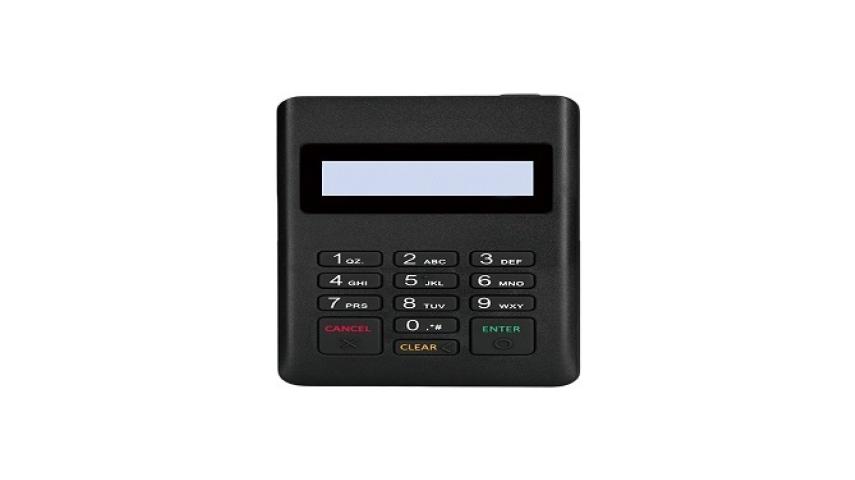
A Micro ATM is a small, handheld device that enables local retailers or agents to offer essential banking services. It works as a mini version of a traditional ATM, connected through a secure banking network and authenticated by Aadhaar or debit card. These devices are particularly useful in rural areas where people do not have access to nearby ATMs or bank branches.
Key services offered by Micro ATMs include:
-
Cash withdrawal using Aadhaar or debit card.
-
Balance inquiry and mini statement.
-
Cash deposit in select models.
-
Fund transfer between bank accounts.
-
Aadhaar-based authentication for secure transactions.
The device connects to the bank’s network through a mobile application or POS system, making it easy for agents and retailers to operate.
Why Fintech Startups Are Adopting Micro ATM Solutions
Fintech startups are increasingly integrating Micro ATM technology into their services because it helps them reach a wider audience, especially in areas where conventional banking infrastructure is limited.
1. Bridging the Banking Gap
In many rural and remote regions, people need to travel long distances to withdraw or deposit money. Micro ATMs eliminate this barrier by enabling banking at local shops or service centers. For fintech startups, this means they can provide accessible financial services without the high cost of setting up branches.
2. Easy Integration and Low Investment
Micro ATMs are affordable and easy to integrate with digital payment applications. Fintech startups can collaborate with providers who offer plug-and-play API integration, reducing technical complexity and speeding up deployment. This low-cost model is ideal for startups looking to scale quickly.
3. Empowering Local Entrepreneurs
By distributing Micro ATMs to local agents, fintech startups create income opportunities for small retailers, CSC operators, and local entrepreneurs. These agents earn commissions on every transaction, while helping their communities access essential financial services.
4. Government Support and Growing Demand
Government initiatives promoting financial inclusion, such as Digital India and Jan Dhan Yojana, have increased the adoption of Micro ATMs. With more people opening bank accounts and preferring digital transactions, fintech startups are using these devices to deliver efficient and secure services.
Benefits of Partnering with a Reliable Micro ATM Provider
1. Secure Transactions
A good Micro ATM Provider ensures transactions are safe through encryption, biometric authentication, and compliance with banking standards. Fintech companies can trust that customer data and funds are protected at every stage.
2. High Scalability
Micro ATM networks can expand rapidly, allowing fintech startups to grow their user base across multiple states or regions. Providers often offer centralized dashboards that make it easier to monitor transactions and performance.
3. 24/7 Technical Support
Reliable providers offer ongoing technical support and software updates to ensure smooth functioning. This helps fintech startups maintain uninterrupted service for their users.
4. Seamless API Integration
Top providers offer ready-to-use APIs that can be integrated into existing fintech platforms. This allows startups to add Micro ATM functionality to their mobile or web apps without major development costs.
5. Brand Customization
Some providers offer white-label Micro ATM solutions, allowing startups to use their own branding on devices and software. This enhances brand visibility and customer trust.
The Impact of Micro ATMs on Financial Accessibility
1. Empowering Rural Customers
Micro ATMs allow people in rural areas to perform banking transactions easily. Farmers, small traders, and daily wage workers can withdraw cash and check balances without visiting distant bank branches. This saves time and boosts trust in digital banking.
2. Reducing Dependence on Cash
While cash still dominates in rural areas, Micro ATMs promote digital financial behavior by familiarizing users with Aadhaar-based and card-based banking. Gradually, this helps shift communities toward more cashless transactions.
3. Enhancing Financial Inclusion
With Micro ATMs, even villages without banks can enjoy access to core banking services. Every transaction processed through these devices contributes to bridging the financial inclusion gap that has existed for decades.
4. Boosting Local Economies
Agents who operate Micro ATMs earn commissions on every transaction, creating a small but steady income stream. As more agents join the network, local economies grow stronger through new employment and business opportunities.
Trends in Micro ATM Technology (2025 and Beyond)
-
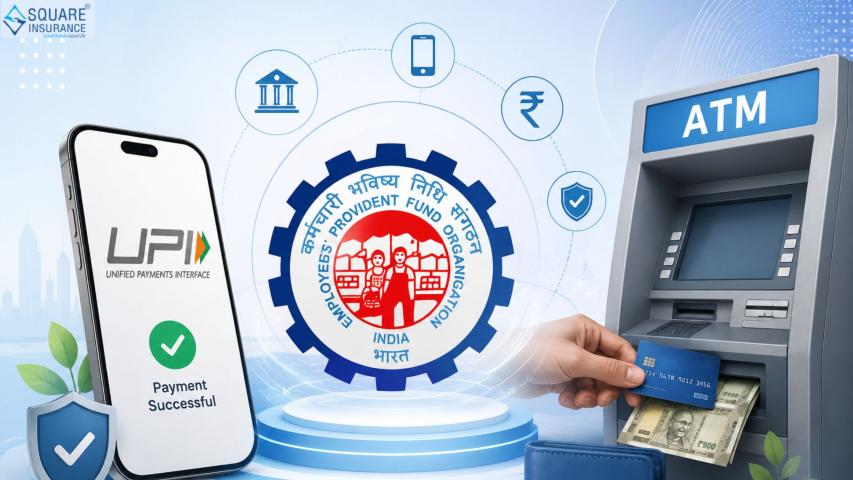
Integration with AEPS and UPI: Micro ATMs are now being integrated with Aadhaar Enabled Payment Systems (AEPS) and Unified Payments Interface (UPI) to allow users more flexibility and faster transactions.
-
Biometric Security Upgrades: Enhanced fingerprint and face recognition systems ensure improved security and fraud prevention.
-
Multi-Service Devices: Modern Micro ATMs support not only cash withdrawals but also bill payments, mobile recharges, and money transfers.
-
Cloud-Based Monitoring: Providers are using cloud technology for real-time transaction tracking and performance analytics.
-
Expansion to Tier-3 and Tier-4 Cities: As internet connectivity improves, more small towns and villages are adopting Micro ATMs as the backbone of digital banking.
How Fintech Startups Can Choose the Right Micro ATM Provider
When selecting a Micro ATM Provider, startups should focus on:
-
Reliability: Choose providers with RBI-approved banking partnerships.
-
API Integration: Ensure the provider offers secure and easy-to-use API documentation.
-
Technical Support: Look for providers with 24/7 support and regular system updates.
-
Scalability: Select a partner that allows you to expand your Micro ATM network easily.
-
Cost-Effectiveness: Evaluate setup costs, maintenance fees, and transaction commissions.
A reliable provider helps fintech startups build sustainable, long-term financial services that benefit both urban and rural users.
Conclusion
Micro ATMs are transforming India’s financial landscape by bringing essential banking services to every corner of the country. For fintech startups, they provide a cost-effective, scalable, and impactful way to promote financial accessibility. By partnering with the right Micro ATM Provider, startups can empower rural populations, create job opportunities, and strengthen the country’s digital financial ecosystem. As the demand for inclusive banking grows, investing in these solutions is not only profitable but also socially meaningful. Therefore, if you’re looking to expand your fintech operations or start a new venture in digital banking, it’s the perfect time to Buy Micro ATM in best price and be part of India’s financial revolution.