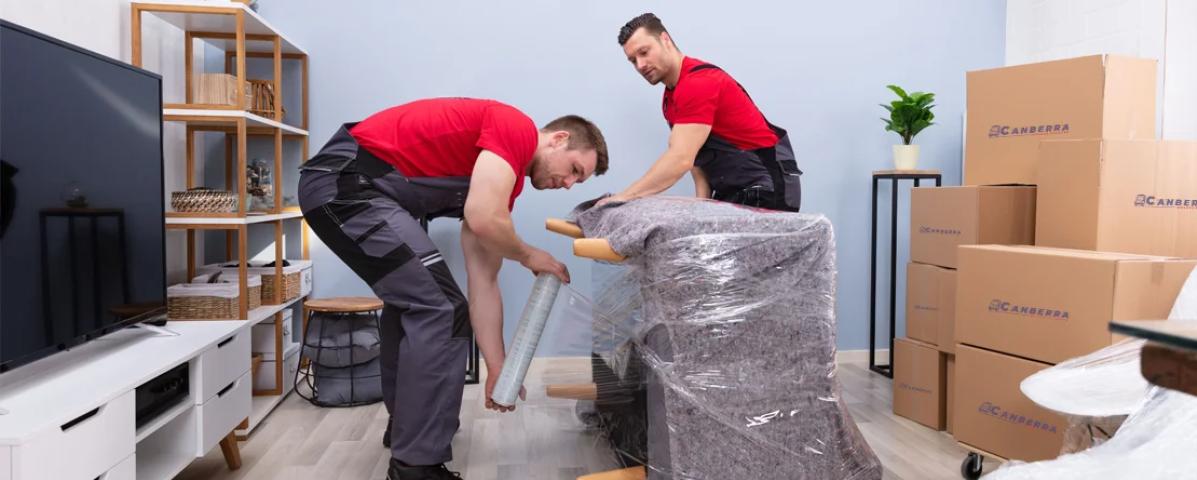

Relocating a home or an office is a major logistical challenge. A professional packers-and-movers team simplifies the process, reduces risk to belongings, and shortens downtime for businesses. This guide covers everything you need: selecting the right provider, planning the move, packing best practices, and post-move checks.
Why use professional packers and movers?
Professional teams bring expertise in packing fragile items, disassembling furniture, handling bulky goods, and coordinating transport logistics. For office moves, they also manage sensitive IT equipment, minimize operational downtime, and ensure data safety procedures are followed. Hiring pros reduces the chance of damage and avoids hidden delays.
Choosing the right service provider
Get multiple quotes and compare not just price but services included: packing materials, transit insurance, storage options, and cancellation policies. Verify credentials, local permits, and customer reviews. Ask for references and whether they offer specialized teams for antiques, pianos, or IT equipment. Transparency on pricing is crucial—insist on a written estimate and a clear inventory list.
Planning and timeline
Start planning 6–8 weeks before a large move. For offices, align the move schedule with business cycles; consider weekend or after-hours shifts to reduce downtime. Create a master checklist: inventory, critical items, essential equipment to be set up first, contact list, and move-day responsibilities. Communicate timelines to all stakeholders and the moving crew.
Packing best practices
• Use quality packing materials: double-walled boxes for heavy items, bubble wrap, mattress covers, and labeled crates for electronics.
• Pack room-wise and label boxes with contents and destination room for quick unpacking.
• For fragile items, add “fragile” labels and include handling instructions.
• Keep a separate “essentials” box with items you’ll need immediately (documents, chargers, medicines, tea/coffee).
Handling furniture and appliances
Disassemble large furniture where possible, and keep hardware in labeled bags taped to the furniture. For appliances, drain and defrost refrigerators 24–48 hours before move day. Ensure washing machines and delicate items are packed with extra padding. Moving heavy items requires proper lifting equipment and protective blankets to avoid scuffs and dents.
Office move specifics
Office relocations require additional planning: map your networking and electrical layout, label servers and cables, create an IT decommission and recommission plan, and prioritize critical systems to be restored first. Consider hiring a dedicated IT team to handle servers and data migration. Communicate with staff about lockdown times and where essential documents will be accessible.
Insurance and liability
Ask about transit insurance and what it covers—full value protection vs limited liability. Read the fine print and consider third-party insurance for high-value items. Clarify claims procedures and required documentation (photos, invoices). Reliable movers should offer clear instructions on the claims process.
Day-of-move coordination
Assign a move coordinator or point person who will oversee operations and make decisions on-site. Keep important documents and contracts accessible. Walk through the house or office with the team leader to explain any special requirements and mark fragile or priority items. Keep children and pets away from moving zones for safety.
Unpacking and settling in
Prioritize essential rooms first — for homes, kitchen and bedroom; for offices, server rooms and workstations. Cross-check inventory against the delivered items and report discrepancies immediately. Reassemble furniture and test appliances before the moving company leaves. Provide staff with a clear communication channel for issues in the first 48 hours post-move.
Cost factors and tips to save
Moving costs depend on distance, volume, specialty handling (pianos, antiques), insurance, and peak season demand. Save costs by decluttering, selling, or donating items you don’t need, and booking movers during off-peak days. Always get at least three quotes and read reviews — the cheapest offer may hide extra charges.
Final thoughts
A well-managed packers-and-movers experience starts with early planning, clear communication, and hiring experienced professionals. For businesses, a detailed IT and asset plan is essential to minimize downtime. If you’re planning a move and need end-to-end support—from packing and transport to storage and setup—NexMove offers tailored home and office relocation services to make your move efficient, secure, and stress-free. Contact our team for a free quote and a customized move plan tailored to your schedule and budget.