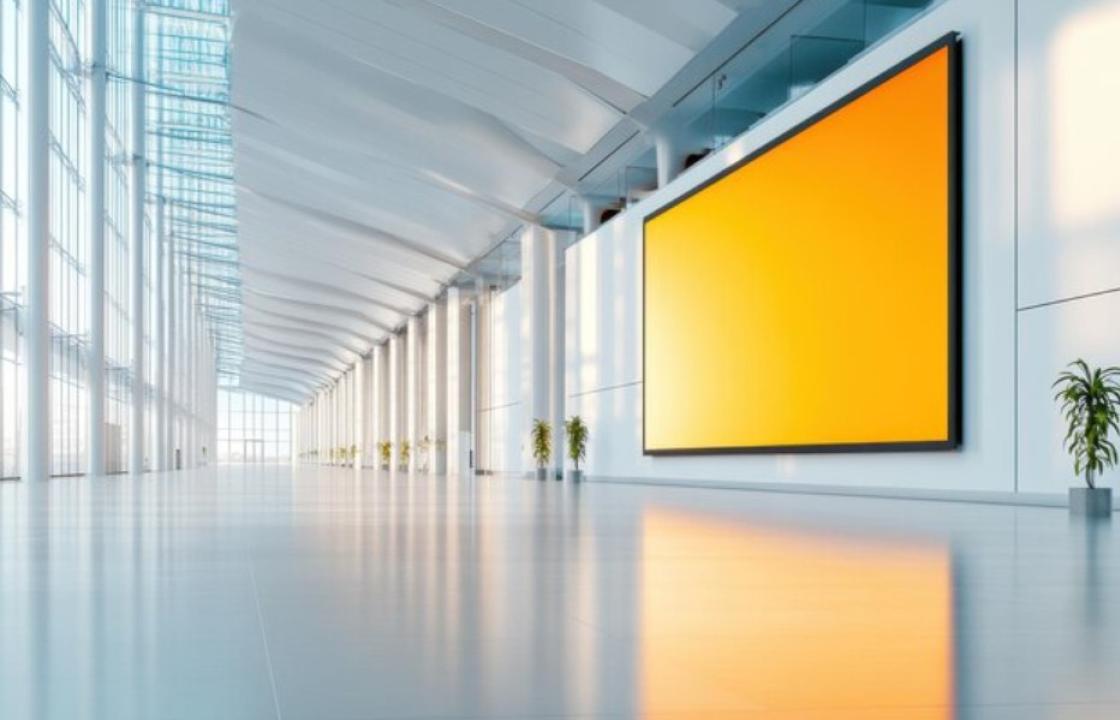
Shops now chase better ways to grab people’s attention. With so many choices around, stores need tools that help them stand out. An indoor LED screen lights up messages, moves with colour, and pulls eyes better than still posters ever could.
In busy places like malls and streets, these digital screens brighten retail spaces. They flash offers, greet shoppers, and guide visitors. Even small shops use them to impress. If you're thinking of adding spark to your store, start with digital screens.
The Power of First Impressions
Retail success often starts with the first few seconds. What a customer sees when they pass by or enter a shop can shape their entire experience. A screen that moves, flashes, and shifts grabs attention much faster than a paper poster.
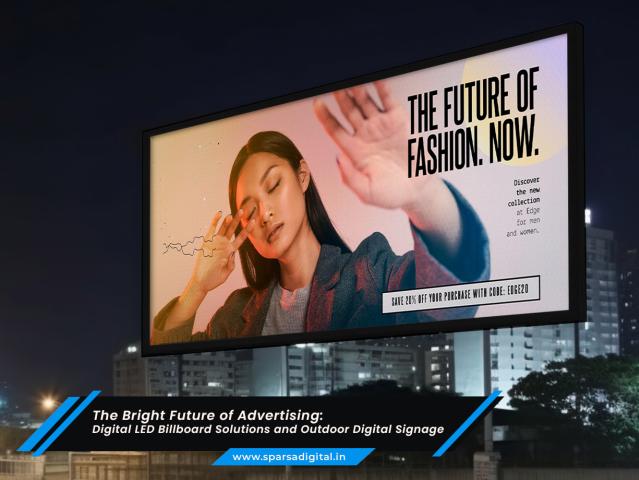
An indoor LED screen flickers and glows. It stirs curiosity even from a distance, urging customers to explore further. Unlike printed signs, these screens blend movement with light to draw shoppers closer. This boost in visibility leads to increased traffic and better engagement.
To break through noise and visual clutter in retail, first impressions must do the heavy lifting. Screens deliver exactly that with unmatched visual power.
Fit for All Kinds of Shops
Indoor LED screens offer great flexibility, making them suitable for a wide range of retail setups. From small boutiques to department stores, screens can be placed in unique spots or blended into shelves and walls.
Here are three ways these screens fit into diverse shop environments:
Mount on walls to save floor space and maintain a sleek look.
Fit screens into product displays or counters for guided shopping.
Use screen walls to run changing themes, videos, or visual branding.
Whether you sell shoes or smartphones, digital screens can match your layout, >
Say More with Less
Shoppers process pictures quicker than words. A short animation or video can deliver meaning in seconds—much faster than a paragraph of text. Movement holds attention longer, especially when the visual explains how something works or feels.
A shop can use an indoor LED screen to display product demos, colour options, or >
When visuals do the talking, store staff can focus on deeper service, and the shopping experience feels less overwhelming.
Quick Changes, Big Impact
Retail moves fast. Promotions change daily. Without flexible displays, it’s hard to keep up. LED screens let shops update content in real time from anywhere.
Here’s how this quick control benefits retail:
Switch offers or messages instantly, without printing or replacing signs.
Match displays to seasons, events, or customer behaviour.
Keep content fresh across multiple locations with just one update point.
An LED display panel Singapore stores use often includes software that makes updates easy. It allows shops to change direction without delay, stay relevant, and react to customer needs faster than ever.
Save Space, Look Sharp
Modern retail design prefers clean, open layouts. Screens blend into these spaces without needing stands or signs. That makes the store feel calm and clear.
Let’s explore how indoor LED screens help manage space better:
Replace multiple posters with one screen that rotates messages.
Avoid clutter by embedding screens into existing walls or furniture.
Use vertical space effectively without blocking walkways or products.
The result is a sleek, tidy layout that puts the spotlight back on your products—not on distracting paper signs. It also supports a brand image that values order, modernity, and care.
Spend Less Over Time
Although screens may cost more at the start, they bring steady savings. They last longer than printed posters and reduce the need for new materials.
Consider these three long-term savings:
Lower printing and replacement costs by using digital updates.
Reduce electricity use with energy-efficient LED panels.
Cut back on waste, which also supports green goals.
The benefits of indoor led screens in retail are not just about brightness or motion. They also make financial sense over months and years, especially for shops with fast-changing messages.
Let Shoppers Explore on Their Own
Today’s shoppers want to explore, not wait. Interactive screens give them that freedom. These tools show colour choices, explain uses, or suggest matching items without needing staff to step in.
An interactive LED display panel Singapore retailers use can serve as a digital helper. It lets people tap through ideas, see how items look together, or watch demo videos.
Here are ways screens help shoppers take control:
Display product options with touch or motion-triggered features.
Offer guides or how-to content directly through the screen.
Suggest pairings or bundles that boost total spend.
This self-led experience frees up staff and makes the shopping flow smoother, especially during busy hours or in smaller stores.
Tell Your Brand Story
Shops do more than sell—they speak. A brand that shares its story builds stronger ties with customers. LED screens can show that story in living colour.
Instead of just listing features, screens can highlight values, goals, or behind-the-scenes work. This turns casual visits into meaningful connections. Customers who understand your mission are more likely to trust and return.
To express your brand effectively, screens can:
Play short clips that show company values or history.
Display team efforts or sustainability practices.
Share celebrations or community events visually.
This kind of storytelling builds memory and emotion. People remember how your brand feels, not just what it sells.
See How Screens Compare
Screens offer clear benefits over traditional signs. Here’s a table to show how:
Feature | Indoor LED Screen | Traditional Signs |
Content Changes | Done in seconds | Takes days |
Looks | Bright, sharp, moving | Flat, dull, still |
Space Use | Slim and neat | Takes space |
Long-Term Cost | Low after setup | High (reprints and waste) |
Shopper Interest | High (interactive) | Low (passive) |
This simple comparison helps you understand why many retailers now choose screens over static posters.
Track Results, Improve Quickly
LED screens not only show—they also measure. Many smart models track views, clicks, or how long someone stops to watch.
That data gives shop owners the edge. It tells them what works, what fails, and when to change content. These insights replace guesswork and support stronger marketing.
Three useful metrics from screens include:
Dwell time, or how long someone watches a message.
Engagement rates on interactive displays.
Time of day when certain messages work best.
Shops use this to adjust quickly and create better experiences for their visitors.
Why Screens Work Well in Singapore?
Singapore’s shops move at a fast pace. Competition is high, and space is often limited. Digital displays solve both problems.
An indoor LED screen helps shops attract attention and speak clearly in small areas. In malls, streets, or heartland stores, they give retailers a way to rise above the noise.
The LED display panel Singapore vendors offer supports both visual impact and space efficiency. It allows brands to shift content fast, match campaigns with seasons, and serve modern shoppers with a modern feel.
Conclusion
Indoor LED screens change how shops communicate. They light up the space, speak with motion, and guide shoppers without clutter. These screens bring speed, >
From telling stories to showing sales, LED displays let stores connect with shoppers in smarter, sharper ways. The benefits of indoor LED screens in retail include more than just looks. They help stores work better, talk clearly, and grow stronger relationships.
Shops that want to stay ahead in today's market will find digital screens a helpful tool. With every change of display, a shop shares more, speaks louder, and stands out with purpose.
Frequently Asked Questions
1. What is an indoor LED screen?
An indoor LED screen is a digital display made of light-emitting diodes that shows bright, high-resolution visuals for advertising or information inside retail spaces.
2. Why are LED screens becoming popular in retail stores?
Retailers use LED screens to capture attention, showcase promotions, and create an engaging shopping experience that traditional posters can’t match.
3. How do indoor LED screens help increase sales?
LED screens attract customers with dynamic visuals and motion, helping stores promote products more effectively and influence buying decisions.