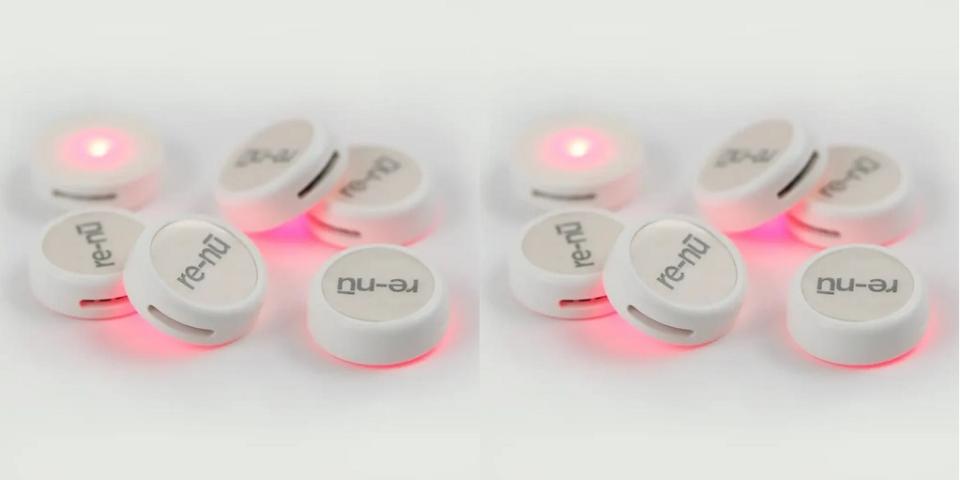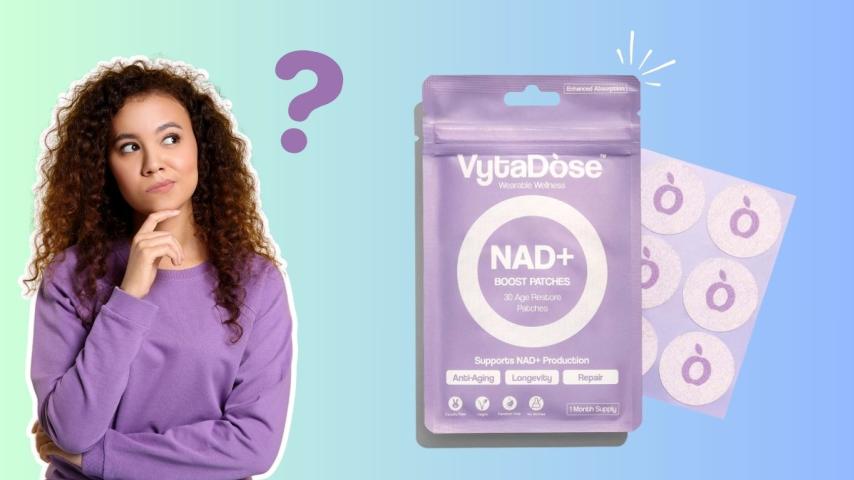

Vitamin patches have become a simple and effective way to support daily wellness. They work by releasing nutrients through the skin and into the bloodstream, helping the body absorb vitamins gradually throughout the day. Most people use them without any issues, but sometimes the skin may react to the adhesive or ingredients in the patch. If you have ever wondered, are there any side effects of vitamin patches, the most common concern involves mild skin irritation. Knowing what to do if you experience a reaction can help you stay safe and continue using them confidently.
Understanding Why Reactions Happen
Vitamin patches rely on transdermal delivery, which means nutrients pass directly through the skin barrier. The patch must stay in close contact with the skin for several hours, so a gentle adhesive is used to hold it in place. Some people may be sensitive to that adhesive or to certain ingredients in the patch formula. Heat, sweat, or friction can also cause minor irritation, especially if the same spot is used repeatedly.
These reactions are usually mild and short-lived. Common signs include slight redness, itching, or a warm sensation on the area where the patch was applied. While this does not always mean the product is harmful, it’s important to respond correctly to avoid further irritation.
Steps to Take If You Notice a Reaction
- Remove the patch immediately If your skin feels itchy or looks red, gently remove the patch right away. This stops further exposure and allows your skin to begin healing.
- Clean the area Wash the affected area with mild soap and cool water to remove any adhesive or residue. Avoid using harsh cleansers or scrubbing, as this can worsen irritation.
- Soothe the skin
Apply a gentle moisturizer or aloe vera gel to calm the area. If the irritation feels uncomfortable, a cold compress can help reduce redness and itching. - Avoid applying a new patch on the same spot
Give your skin time to recover before placing another patch. Rotate the patch location each day to prevent repeated friction or contact on the same area. - Monitor your skin
Most minor reactions fade within a few hours to a day. If the irritation persists or worsens, it may be best to stop using the product and consult a dermatologist.
How to Prevent Future Reactions
Once you have addressed a reaction, take steps to minimize the chance of it happening again. Start by applying patches to clean, dry skin that is free from lotions or oils. Always follow the recommended wear time rather than keeping the patch on longer. If you have sensitive skin, perform a patch test on a small area before using it regularly.
Choosing high-quality patches made with hypoallergenic adhesives can also make a difference. Look for transparent ingredient information and avoid products with artificial fragrances or unnecessary fillers.
When to Seek Medical Help
If you experience swelling, burning, or severe itching that does not go away after removing the patch, seek medical attention. In rare cases, these symptoms may indicate an allergic reaction to one of the ingredients. A healthcare professional can identify the cause and suggest a safer alternative.
Final Thoughts
So, are there any side effects of vitamin patches? Most users experience little to no reaction, but mild irritation can occur for those with sensitive skin. The key is to pay attention to how your skin responds and take quick action if irritation appears. By using high-quality patches, following application guidelines, and caring for your skin properly, you can continue benefiting from vitamin patches safely and comfortably.