When people think “duct cleaning,” they picture a vacuum and some dust bunnies. Fair—but incomplete. In Brampton, indoor air quality (IAQ) is shaped by long heating seasons, humid summers, nearby construction, and busy roads. Your HVAC doesn’t just move air; it moves everything riding along with it—pollen, lint, pet dander, drywall powder, and micro-debris that hides deep in returns, elbows, and trunks. Done properly, air duct cleaning in Brampton is less about shiny vents and more about removing a reservoir of contaminants so your system stops re-introducing them into the rooms you live in.
Below is a practical look at how a professional clean boosts IAQ in Brampton homes—and how to lock in the benefits.
1) Source removal: emptying the “dust bank” inside your system
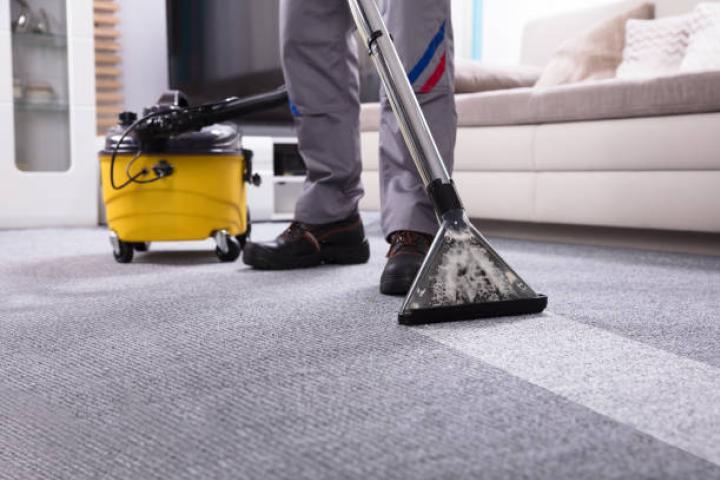
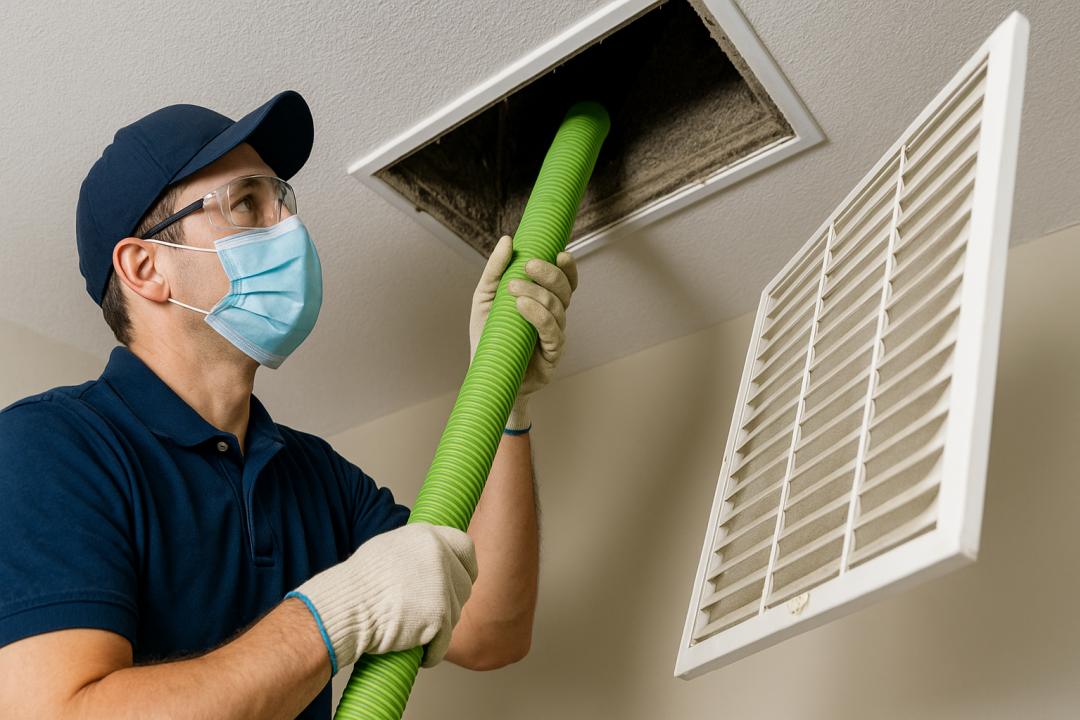
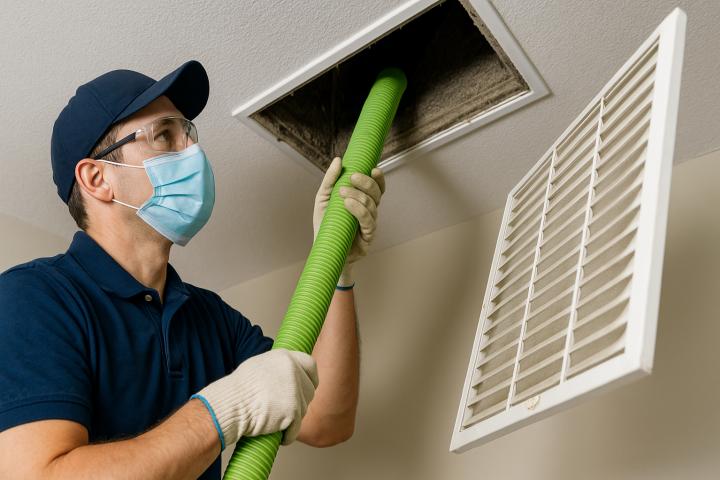
Even with good filters, particles settle inside metalwork where airflow slows—return drops, turning vanes, branch elbows, and the main trunks. Each time the blower starts, a little puff of that buildup returns to circulation. Professional cleaning uses negative pressure (a powerful vacuum attached near the furnace) plus agitation tools (air whips or rotary brushes) to drag contaminants out of the network, not into your living space.
Why IAQ improves: fewer particles to be re-entrained = less settled dust on furniture, fewer “first-blast” plumes when the system kicks on, and a lighter allergen load overall.
2) Return-side hygiene reduces odours and recirculated allergens
Most smells live on the return side—where air first enters the system. Pet dander, cooking aerosols, cigarette residue from a previous owner, and plain old house dust collect in the return drop and plenum. If those surfaces are coated, you’ll notice a musty or stale whiff for 30–60 seconds at start-up.
What to ask for: ensure the scope includes return drop, plenum, and branch returns, not just the supply runs. Many “whole house specials” skip this—and skip the IAQ benefits.
Brampton reality: Spring pollen and fall ragweed can ride the return path; cleaning the return cavity reduces the reservoir that re-puffs when doors close or kids sprint down the hall.
3) Cleaner blower and coil = cleaner air and steadier humidity
Particles don’t stop at the ducts. They cling to blower blades and the evaporator coil, roughening surfaces and restricting heat transfer. A dirty blower means lower airflow; a dusty coil can harbour moisture films where odours linger.
IAQ wins:
- Proper airflow helps filters work as designed (air actually passes through the media instead of bypassing due to turbulence).
- A cleaner coil drains condensate properly, cutting down on musty smells and reducing the conditions where microbial growth can take hold.
- Steadier humidity (aim 35–50% RH) keeps airways happier and reduces static/resuspension of fine dust.
Ask the provider to inspect and, if accessible, clean the blower housing and coil cabinet. If the coil needs a separate specialised clean, get it scheduled—this is where a lot of IAQ improvement hides.
4) Post-renovation clean removes the abrasive stuff you can’t see
Brampton’s steady renovations—finished basements, kitchen overhauls, new flooring—create drywall powder and sawdust that infiltrate ducts, even with covers. Those fine particles abrade blower bearings and get re-launched each cycle.
IAQ impact: drywall fines are lightweight and persistent; they settle on surfaces and irritate airways. A post-reno duct clean removes that load so you’re not breathing “remodel dust” for months.
Timing tip: clean after final sanding and a full house vacuum, then replace the filter again after one week of run-time.
5) Moisture management: stop musty blasts at the source
A musty odour doesn’t always mean mould, but it does mean moisture plus organics. Common culprits: condensate pans that don’t drain well, insulation-lined returns, or gaps where humid air meets cool metal.
What a pro does for IAQ:
- Checks the condensate drain and pan slope.
- Flags insulation that’s damp or shedding.
- Reseals obvious gaps so warm, humid basement air isn’t condensing inside returns.
Pair cleaning with balanced humidity and good ventilation to keep smells from coming back.
6) Duct leaks and bypass dust: seal the easy wins
Loose joints around return boots and trunk seams pull in basement dust, insulation fibres, and garage air. During cleaning, a tech can spot and tape or mastic obvious leaks.
IAQ benefit: you breathe more conditioned air and less “house dust cocktail” from mechanical rooms. Sealing returns also improves filter performance because more air goes through the filter instead of around it.
7) Choosing the right filter after cleaning (and why it matters)
Cleaning reduces the reservoir; filtration keeps it low.
- For most systems, MERV 8–11 balances capture and airflow.
- Jumping to a very high MERV without checking fan capacity can starve airflow, harming comfort and efficiency.
- Check filters monthly in winter and during A/C season; replace when dirty, not just by calendar.
Pro tip: If you felt compelled to buy higher-MERV filters to control dust before, you may be able to step down post-cleaning because the system isn’t shedding debris internally.
8) Dryer vent cleaning: IAQ’s safety cousin
Not part of ducts, but same visit, same outcome: less lint and moisture recirculating near living spaces, shorter dry times, reduced fire risk. If your laundry room warms up during cycles or towels need extra runs, include a dryer vent clean. It’s a practical IAQ and safety add-on for Brampton homes.
9) How to pick a Brampton provider who actually improves IAQ
Five questions that separate the pros:
- What equipment do you use? (Look for negative air machines + agitation tools.)
- What’s the scope? (Supply and return trunks, every branch, blower housing, coil cabinet inspection.)
- How do you protect the home? (Vent sealing, drop cloths, corner guards.)
- How do you verify? (Before/after photos or video.)
- All-in price? (No coupon games; confirm any sanitizer/coil fees, HST.)
Red flags: “We just vacuum the vents,” no return-side work, or no photo verification.
10) Simple habits to keep air cleaner between visits
- No shoes indoors + sturdy doormats inside/outside.
- Vacuum with a HEPA canister; hit registers/grilles and the floor around them.
- Keep returns unblocked (no furniture over grilles).
- Run bath fans 15–20 minutes after showers and use a ducted range hood when cooking.
- Maintain 35–50% RH to reduce odours and particle resuspension.
- Book annual HVAC service; techs catch early airflow or moisture issues before they hurt IAQ.
How often should Brampton homes clean ducts?
For occupied, non-smoking homes without recent renovations, every 3–5 years is sensible. Move sooner (12–24 months) after a major reno, in homes with multiple shedding pets, or when you notice musty start-up odours and stubborn dust return.
The bottom line
In Brampton, air duct cleaning done right is indoor air hygiene, not vanity. By removing the hidden reservoir of debris, improving return-side cleanliness, restoring blower/coil performance, and sealing obvious leaks, you cut the particle load your family breathes and help your system run the way it should. Pair the service with sensible filtration, humidity control, and everyday habits, and you’ll feel the difference: fresher start-ups, less dust settling, steadier comfort—indoors that actually feel clean.