
Introduction
Education has undergone significant evolution in the past decade, transitioning from traditional classrooms to digital learning environments. Among the most impactful innovations, eLearning has taken center stage. Whether you’re a teacher, student, or entrepreneur, this modern approach to learning is reshaping how knowledge is shared and consumed.
As technology continues to improve, the barriers to education are shrinking. Learners can now access high-quality lessons from any part of the world — all thanks to eLearning.
What is eLearning?
eLearning refers to the process of delivering educational content through digital platforms. Instead of attending physical classes, learners engage with multimedia lessons, videos, quizzes, and interactive content online. This method not only saves time but also allows for personalized and flexible learning experiences.
Unlike traditional education, eLearning gives students the power to learn at their own pace. Whether it’s a five-minute lesson during lunch break or an entire weekend of study, learners have the freedom to control their schedule.
Why eLearning Is Growing Rapidly
The growth of eLearning isn’t just a trend — it’s a global movement. Several factors are driving its expansion:
Flexibility and Convenience
Learners no longer need to be tied to specific locations or schedules. They can log in from any device, anywhere in the world, making learning accessible to everyone.
Cost-Effectiveness
Traditional education often involves heavy expenses like transportation, printed materials, and facility costs. eLearning cuts these down significantly, making education more affordable.
Diverse Learning Options
From academic courses to professional skill-building, there’s an eLearning option for every learner. Whether you’re mastering coding, marketing, or photography, digital platforms offer endless possibilities.
Self-Paced Learning
Every learner absorbs information differently. eLearning enables students to revisit lessons and progress at a comfortable pace — a feature that’s challenging to achieve in traditional classrooms.
The Role of eLearning Platforms
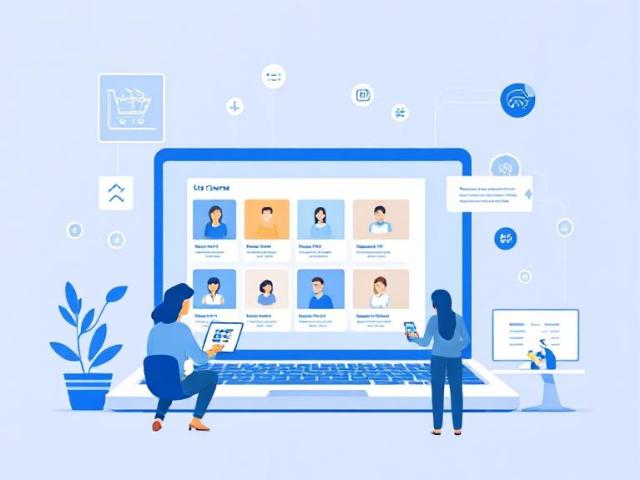
To make eLearning effective, specialized tools and systems are required. That’s where an eLearning platform comes in. These platforms act as virtual classrooms where teachers upload content, manage assessments, and track student progress.
An eLearning platform can include features like:
Video lectures and tutorials
Discussion forums
Progress tracking dashboards
Certification options
Integration with mobile apps for on-the-go learning
Popular examples of eLearning platforms include those that support businesses, universities, and even independent instructors. They not only simplify teaching but also make learning engaging and interactive.
How Online Course Builders Empower Educators
If you’re an educator or entrepreneur looking to share knowledge, an online course builder is your best friend. This tool allows you to design, organize, and publish your own courses without needing advanced technical skills.
Here’s how an online course builder helps:
Drag-and-Drop Simplicity: Create lessons, upload videos, and design quizzes easily.
Customization: Personalize your course layout, themes, and branding to match your >
Monetization Options: Sell your courses and generate revenue through built-in payment gateways.
Analytics and Reports: Track student progress, completion rates, and engagement data.
With the right online course builder, even a small business or independent teacher can launch a professional eLearning setup and reach thousands of learners globally.
eLearning in the Modern Workforce
Businesses are also turning to eLearning to upskill their teams. Corporate training programs have gone digital, allowing employees to learn new tools, compliance rules, and soft skills without disrupting daily work.
Companies benefit by:
Reducing training costs
Increasing employee retention
Offering consistent learning experiences across locations
This trend reflects how eLearning has evolved from personal education to a key driver of professional growth.
Challenges in eLearning (and How to Overcome Them)
While eLearning offers flexibility and innovation, it’s not without challenges. Some common hurdles include:
Lack of Personal Interaction: Learners may miss the social aspect of physical classrooms.
Self-Discipline Issues: Online learners must stay motivated without direct supervision.
Technical Barriers: Not all learners have stable internet access or the latest devices.
However, modern platforms are addressing these issues through community engagement tools, gamification, and offline learning modes.
The Future of eLearning
The future of eLearning looks promising. With technologies like AI, AR, and VR, digital education is becoming more immersive and personalized. Imagine attending a virtual history class that lets you “walk through” ancient civilizations or a science lesson where you interact with 3D molecules in real-time — that’s the next phase of eLearning.
Furthermore, as remote work and global education become the norm, eLearning will continue to empower both individuals and organizations.
Conclusion
The rise of eLearning is more than just a technological shift — it’s a revolution in how we learn, teach, and grow. It offers inclusivity, flexibility, and opportunities that were once unimaginable. Whether you’re building your first course using an online course builder or exploring a new eLearning platform, one thing is clear: the future of education is digital.
As more people embrace this change, eLearning will keep shaping a smarter, more connected, and more accessible world of knowledge.