Facial recognition systems have no longer been a fantasy in the recent past but rather a reality. Facial recognition technology is transforming the manner in which we recognize and authenticate people since unlocking smartphone to easy check ins in the airport as well as increased security. But with the proliferation of these systems, the privacy, spoofing and security issues are increasing as well. Liveness detection is one of the important aspects that cover these difficulties.
This blog post will cover the functioning of the face recognition, the places where this technology is already implemented, and why liveness detection is required to make these systems more reliable and safe.
What is a facial recognition System?
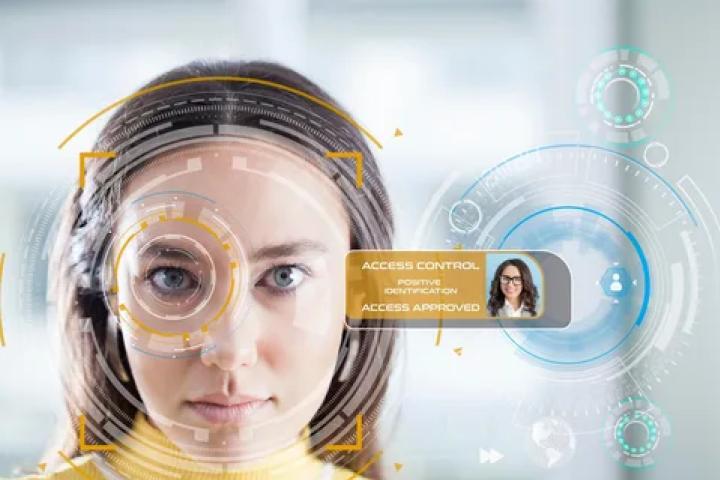
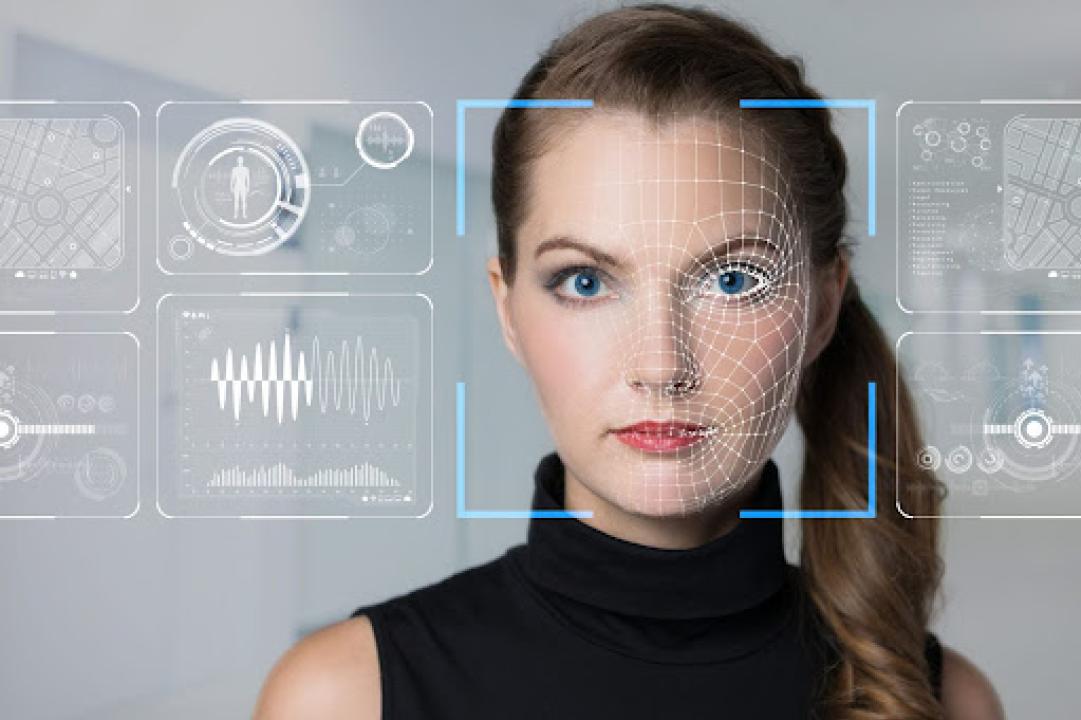
A facial recognition system is a biometric technology based on identifying or confirming the identity of a person by his or her face. Facial recognition is also quick and convenient as opposed to other forms of identification such as passwords or fingerprint scanning because it is noncontact; it is also usually not noticeable to the user.
Here’s how it typically works:
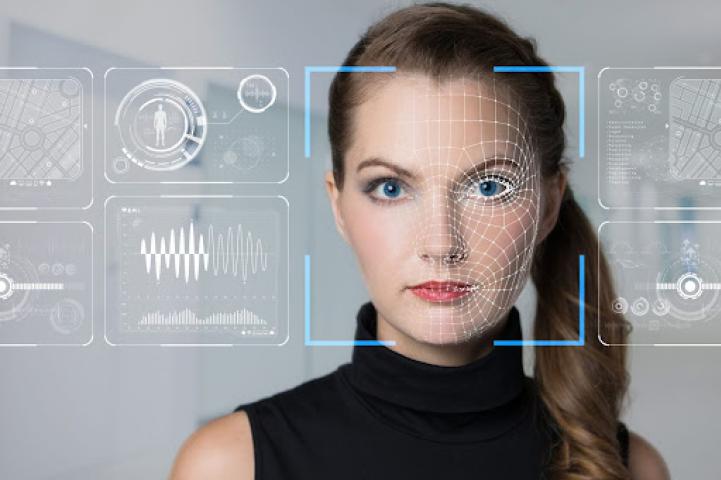
Detection: The system identifies a face at an image or a video.
Alignment: It uses the face to provide consistent analysis and adjusts angles and lighting.
Feature Extraction: The app examines such facial landmarks as the distance between the eyes or the width of the nose, the jawline, and so on.
Matching: The recovered facial data is subsequently matched with the stored face data within a database in order to identify identity.
State-of-the-art algorithms, frequently a deep learning one, are employed in facial recognition factoring in the enhancement of accuracy and efficiency. The systems are now able to identify faces under poor conditions, like light conditions or partially blocked images.
Applications of Facial Recognition Systems.
Use of facial recognition is extensively spread in industries:
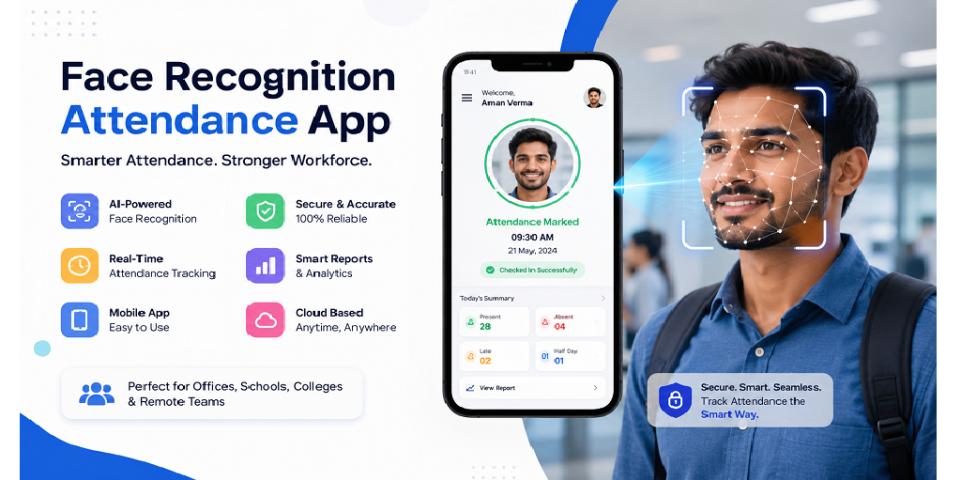
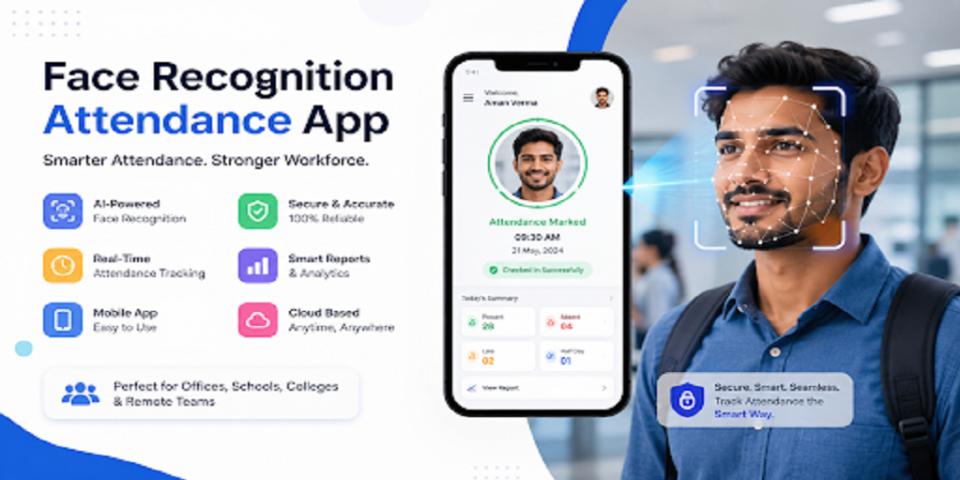
Mobile Devices: These are utilized in the unlocking of phones and making of payments.
Banking: Facilitates secure logins and transactions whereby face authentication is used.
Airports and Travel: Accelerates check-in process, boarding and customs with automated face scan.
Retail and Marketing: Monitors customer flow and customer feeling to market.
Security and Surveillance: Recognises individuals of interest in real-time to the law enforcement.
Healthcare: Secures patient information and simplifies the check-in process.
With the expansion of the adoption, the convenience of facial recognition should be matched with the security and ethical concerns.
The challenge: Spoofing and Fake Faces.
Facial recognition has a weakness of being deceived despite the level of sophistication it has. Among the main security threats is spoofing, which consists in deceiving the system by means of photos, videos, masks, and even 3D models of a face.
This is a situation envisioned when a person carries a high-resolution image of your face to unlock your phone or to enter a secure location. In absence of countermeasures, a system of facial recognition may not be able to differentiate between a genuine face and a fake one. It is here that liveness detection comes in.
What Is Liveness Detection?
Liveness detection is a technology offered with facial recognition in order to decide whether the presented face is of a real person and is alive and not a spoof or a representation.
Liveness detection is of two basic types:
1. Active Liveness Detection
This procedure makes the user carry out some form of actions like blinking, smiling or a turning of his head. These actions are analyzed by the system in order to verify that there is a live person.
2. Passive Liveness Detection
The method does not involve the user. Instead, it relies on minor indicators, such as skin texture, light reflection in the eyes, and depth data, to identify evidence of life. It is less obtrusive and offers a more smooth user experience.
In both, the aim is to increase the accuracy and safety of facial recognition by averting un-authentic access using artificial or offline entries.
The importance of Liveness Detection.
The use of liveness detection in facial recognition systems is a big step towards enhancing the security of facial recognition systems. Here's why it's essential:
Avoids Spoofing: Liveness detection can be used to block attempts of deceiving the system with the help of photos, masks, or videos.
Establishes Credibility: When users are aware that face recognition has anti-spoofing system, they will feel comfortable using it.
Compliance and Regulation: Privacy and security of most industries demand high-level authentication. Liveness checking assists in fulfilling these requirements.
Enhances User Interaction: particularly Passive liveness detection does not require any friction to the user experience.
The Future of Face Recognition.
Facial recognition systems are also getting smarter, fast, and more secure. As AI and machine learning are integrated, they are becoming more complex to manage complex recognition cases and larger databases.
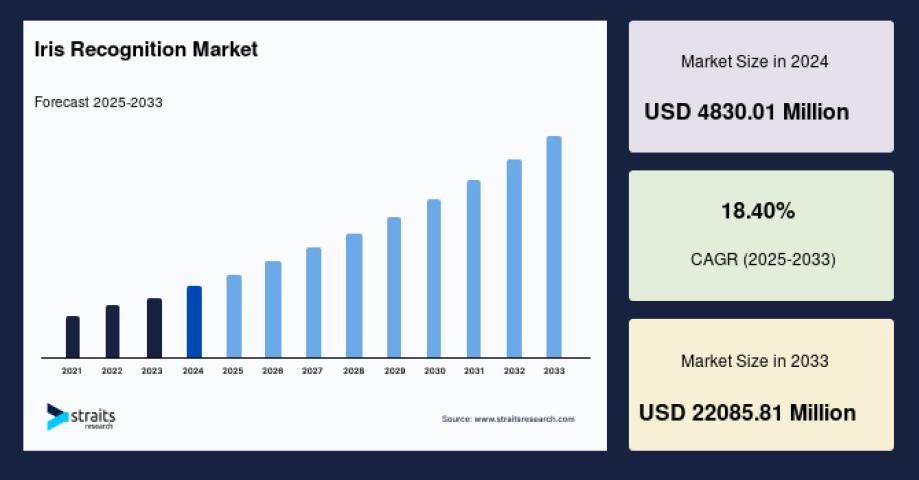
The identification of facial recognition combined with other forms of biometrics (such as voice and iris recognition) and context (such as location and pattern of behavior) is one of the most promising. This multi-factor method can also be used to increase accuracy and minimize false positives or negatives.
Nonetheless, with the development of these technologies, our discussions concerning data privacy, ethical use, and transparency should be developed as well. Introductions such as the GDPR in Europe, and other laws in other countries are slowly influencing the collection, storage and utilization of facial recognition data.
Final Thoughts
It cannot be denied that facial recognition is an effective weapon in the modern digital world. Its potential is huge, whether it is making the life of people more comfortable or providing greater security. However, having power comes with great responsibility of utilizing it.
Liveness detection is a very important aspect that makes it clear that facial recognition systems are effective as well as secure and trustworthy. As this technology expands, the popular use of effective anti-spoofing methods such as liveness detection will make the technology safe and successful in integrating in various industries.
When the idea of facial recognition technology is in your mind and your organization is thinking about doing it, then make sure that liveness detection is included in the solution- since it is one thing to see a face, but it is another to know it is actually there.