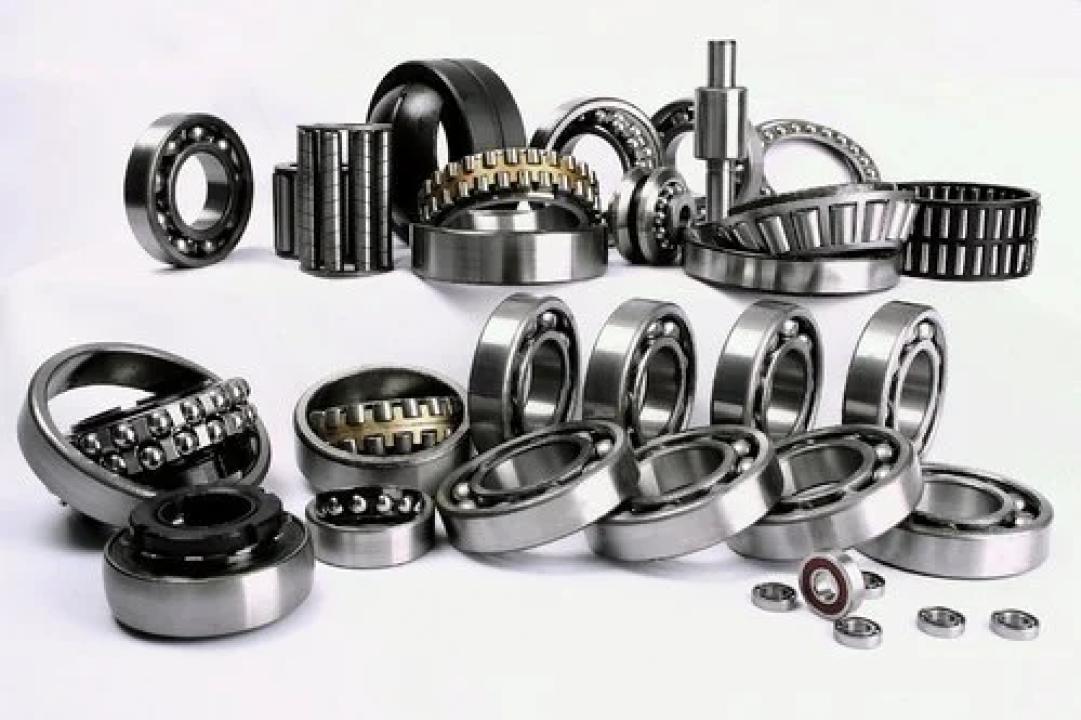
Many mechanical systems would be lost without taper roller bearings. These bearings can handle both radial and axial loads well, making them great for everything from car wheels to heavy-duty industrial machinery. Taper roller bearing manufacturer India provide smooth, stable rotation and stability under pressure. But, like other mechanical parts, they don't last forever. Wear and tear may happen over time because of friction, misalignment, dirt, or not enough lubrication.
Figuring out when your taper roller bearing needs replacing can save you from equipment failure downtime plus safety headaches. Let's cover main signs indicating issues with bearings what spurs these problems and prompt replacements helpful so business has flow.
1. Noise or vibration that isn't normal
An odd noise or vibration is one of the first and most obvious symptoms that a taper roller bearing is going bad. A bearing works well and quietly when it is in excellent shape. But if you hear grinding, buzzing, or squealing noises, it might mean that the surfaces of the bearing are broken.
Possible Reasons:
Not enough lubrication causing metal-to-metal contact
Getting dirty, getting trash, or getting water
Rollers or raceways that are worn out
Bearings that are not lined up properly
If you experience vibration through the housing or shaft, it's usually because the rolling surfaces aren't even or the bearing seat is too loose. If you keep using it like way, it might wear down faster and perhaps break down completely.
Tip: Use equipment that analyse vibrations to find early indicators of roughness or imbalance before they become worse.
2. Higher Operating Temperature
Another warning sign is a rapid or steady increase in the temperature of the bearing. Depending on the load and speed, taper roller bearings usually work best at a certain temperature range. If the bearing becomes too hot, it might mean that there is too much friction within or that it is overloaded.
Some common reasons are:
Lack of or poor lubrication
Adjustment of the bearing that is too tight
Grease or oil that has been contaminated
Too much weight or being out of line
When the lubricant becomes too hot, it might break down, producing oxidation and a loss of viscosity. This, in turn, accelerates wear, leading to a self-perpetuating cycle of damage.
Action: Check the lubricant quality and bearing preload. If temperatures remain abnormally high even after adjustment, replacement may be necessary. To ensure reliability and long service life, always source your components from a trusted taper roller bearing manufacturer India that offers precision-engineered products.
3. Damage to the surface or wear
During inspection, visible signs of wear such as pitting, flaking, scoring, or discoloration on the bearing rollers or raceways indicate serious damage. These imperfections disrupt the bearing’s ability to distribute load evenly. Regular maintenance inspections help identify such damage before it leads to equipment failure.
4. Excessive Play or Looseness
Taper roller bearings are designed to operate with precise clearances. Excessive play (or looseness) between the rollers and raceways can drastically reduce bearing performance. You might notice shaft wobbling or instability in rotating parts.
Reasons for Looseness:
Bearing wear due to prolonged use
Improper fit between bearing and housing
Incorrect preload or endplay adjustment
A bearing with excessive internal clearance allows components to move irregularly, resulting in noise, vibration, and misalignment. Conversely, over tightening the bearing can cause increased friction and premature wear. Balancing preload correctly is essential to maximizing bearing life.
5. Vibration During Operation
Excessive or irregular vibration during operation is one of the most telling indicators of bearing deterioration. It can stem from imbalance, surface irregularities, or fatigue in bearing components. Over time, even minor vibration can damage other connected machinery parts.
Vibration Causes:
Uneven roller wear
Contaminants causing surface damage
Loose mounting or misalignment
Cracked or chipped rollers
Vibration analysis tools can help pinpoint bearing faults at an early stage. By measuring frequency and amplitude, maintenance teams can determine whether replacement or re-lubrication is required.
6. Leakage or Contaminated Lubricant
Lubrication plays a critical role in bearing performance. If you notice grease leakage or contamination around the bearing housing, it’s a sign that the lubricant is no longer providing adequate protection.
Indicators of Lubrication Problems:
Presence of metallic particles in the grease
Grease turning dark, dry, or gritty
Oil leaking from seals or gaskets
Contaminated lubrication not only lessens competence but can give abrasion and corrosion of bearing exteriors. Always substitute the lubricant at suggested intervals and safeguard that the seals are complete. If the bearing is suffered damage from poor lubrication, you can change it.
7. Reduced Performance or Efficiency
When bearings wear out, they increase friction and resistance in the system, resulting in reduced mechanical efficiency. You might notice:
Increased power consumption
Slower operational speed
8. Abnormal Shaft Movement
Tapered roller bearings help support shafts especially when load varies. If you see shaft wobble or shake these bearing might fail to hold things steady.
Worn bearings let shaft move too much radially or axially so shaft alignment suffers harming gears couplings you hook up.
A worn bearing allows excessive radial and axial play, which can misalign the shaft, damaging connected gears and couplings. Addressing this issue early by replacing the bearing prevents more extensive system damage.
9. Corrosion or Rust Formation
Bearing parts can corrode if things get damp humid or are stored wrong. Minor rust might lead to pitting degrade smooth rolling. Corrosion is awful risky where chemicals or water get into things. If bearings show rust or corrosion replace it quick. For future builds use sealed even stainless taper rollers from a good manufacturer to avoid such pitfalls.
10. Metal Shavings or Debris
Finding metal bits or shavings during maintenance can signal internal wear. If lubricant has metal bits maybe bearing parts keep grinding. To keep equipment going like this can cause major failures.
Oil checks bearing can wear early maybe swap parts before a complete breakdown occurs.
Conclusion
Taper roller bearings are crucial for keeping stuff moving smoothly. Bearing failure signs like slight vibration or wear, often missed until too late, you know. To really keep your machinery running longer inspect it lube it and replace parts when needed.
Spotting early signs plus quality parts from a good Taper roller bearing manufacturer India can give you sound performance safety efficiency years down road.