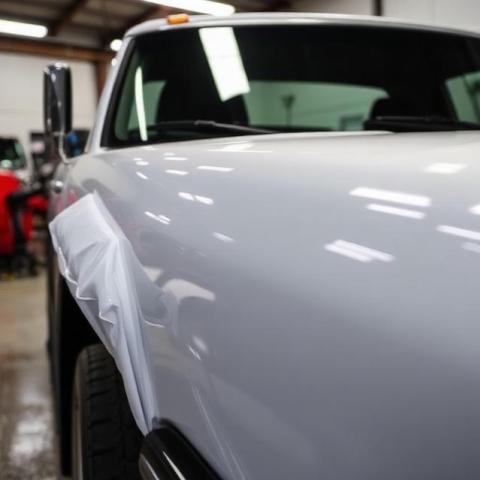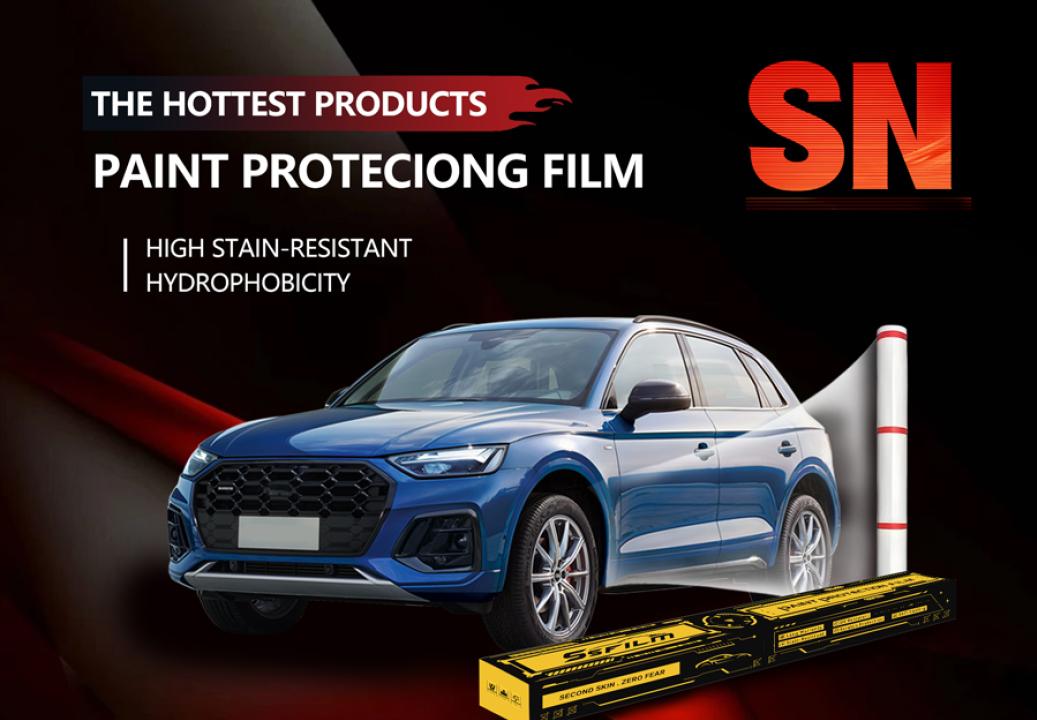
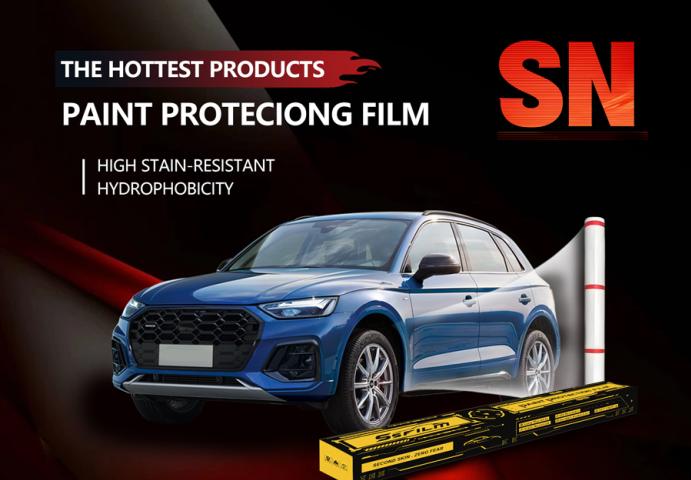
In an era where automotive aesthetics and longevity are paramount, paint protection film (PPF) has emerged as a revolutionary solution for vehicle owners. This transparent, thermoplastic urethane-based material acts as an invisible shield, safeguarding a car’s exterior from environmental hazards, physical damage, and aesthetic degradation. From preventing rock chips to resisting UV fading, PPF’s multifaceted benefits have made it indispensable in both the luxury and mainstream automotive markets. This article explores the science, applications, and economic value of PPF, revealing why it has become a cornerstone of modern vehicle care.
The Science Behind PPF: A Molecular Defense System
PPF’s effectiveness lies in its advanced material composition. Engineered from thermoplastic polyurethane (TPU), the film combines flexibility with durability. Its molecular structure allows it to absorb and disperse kinetic energy from impacts, such as gravel strikes or minor collisions, preventing scratches and dents from penetrating the paint layer. A key innovation in modern PPF is its self-healing capability. When exposed to ambient heat or warm water, the film’s surface-level scratches and swirl marks disappear as the polymer chains realign, restoring a flawless finish. This property is particularly valuable for daily driving, where minor abrasions are inevitable.
Additionally, PPF incorporates nano-ceramic coatings that enhance its protective properties. These coatings repel water, oil, and dirt, creating a hydrophobic surface that simplifies cleaning. The film’s UV-resistant layer also blocks harmful ultraviolet rays, preventing paint oxidation and color fading. By acting as a barrier against environmental stressors, PPF preserves the original vibrancy of a vehicle’s finish for years.
Core Functions of PPF: Protection Beyond Aesthetics
1. Physical Damage Prevention
The primary role of PPF is to shield a car’s paint from physical threats. High-impact areas such as the hood, bumper, and side mirrors are vulnerable to debris kicked up by tires or flying rocks on highways. PPF absorbs these impacts, distributing the force across its surface to minimize damage. Studies show that vehicles with PPF experience up to 80% fewer paint chips compared to unprotected cars. This protection extends to minor abrasions from car washes, tree branches, or accidental bumps, ensuring the paint remains intact.
2. Environmental Resistance
PPF acts as a chemical and environmental barrier. Bug splatter, bird droppings, and tree sap contain acids that can etch into paint if left untreated. The film’s non-porous surface prevents these substances from penetrating, allowing easy wiping with a damp cloth. Similarly, PPF’s UV-blocking properties mitigate sun damage, which is a leading cause of premature paint aging. In regions with intense sunlight, such as California or Arizona, PPF can extend a vehicle’s paint lifespan by up to a decade.
3. Maintenance Simplification
The hydrophobic nature of PPF reduces the frequency of car washes. Dirt and grime slide off the smooth surface, while water spots evaporate quickly without leaving residue. This ease of maintenance translates to time and cost savings for owners. For example, a vehicle with full-body PPF may require washing only once a month, compared to bi-weekly washes for unprotected cars. The film’s durability also means fewer polishing sessions, as its self-healing properties eliminate the need for touch-ups.
4. Resale Value Preservation
A well-maintained exterior significantly boosts a vehicle’s resale value. PPF ensures that the paint remains free of chips, scratches, and fading, which are common deal-breakers for buyers. Dealerships and private sellers often highlight PPF as a selling point, as it signals meticulous ownership. On average, vehicles with PPF retain 15–20% higher resale values than those without, making the initial investment worthwhile.
Economic Considerations: Cost vs. Long-Term Savings
The cost of PPF varies based on coverage area and film quality. Partial coverage (e.g., front bumper and hood) ranges from
300 to 800, while full-body installations cost 1,500 to5,000. Premium films with self-healing and ceramic coatings fall at the higher end of this spectrum. While the upfront expense may seem steep, PPF offers substantial long-term savings. Repairing rock chips or repainting a bumper can cost 500–1,500 per incident, and frequent waxing or detailing adds to ongoing expenses. Over five years, PPF can save owners thousands of dollars in maintenance and repair costs.
Market Growth and Future Trends
The global PPF market is projected to reach $1.1 billion by 2025, growing at a CAGR of 6% through 2030. This surge is driven by rising consumer awareness, the proliferation of luxury and electric vehicles (EVs), and advancements in TPU and nano-ceramic technologies. EV owners, in particular, prioritize PPF to protect their high-value assets from aesthetic damage. Additionally, OEM partnerships with PPF manufacturers are becoming common, with automakers offering factory-installed films as premium upgrades.
Conclusion: The Indispensable Role of Paint Protection Film
Paint protection film has redefined vehicle care by merging cutting-edge science with practical benefits. Its ability to prevent physical damage, resist environmental degradation, simplify maintenance, and preserve resale value makes it a wise investment for any car owner. As automotive markets evolve toward premiumization and sustainability, PPF’s role will only expand. Whether protecting a daily commuter or a luxury sports car, paint protection film ensures that vehicles retain their beauty and value for years to come. In an age where first impressions matter, PPF is not just a product—it is a long-term solution for preserving automotive excellence.