
Maintaining a clean and organized office is more than just a matter of aesthetics; it is a critical component of a productive, healthy, and professional work environment. While many businesses focus primarily on operations, marketing, and customer relations, the state of the office itself often gets overlooked. Regular office cleaning is essential not only for hygiene and employee well-being but also for enhancing productivity, creating positive impressions, and even extending the longevity of office assets. In this article, we will explore the multifaceted importance of keeping office spaces clean and well-maintained.
1. Promoting Health and Reducing Illness
One of the most immediate benefits of regular office cleaning is improved health. Offices are high-traffic areas where germs, bacteria, and viruses can easily spread. Common surfaces such as doorknobs, keyboards, telephones, desks, and communal areas like break rooms and restrooms are hotspots for bacteria and viruses. Without consistent cleaning and disinfecting, employees are more likely to fall ill, resulting in increased sick days and reduced overall productivity.
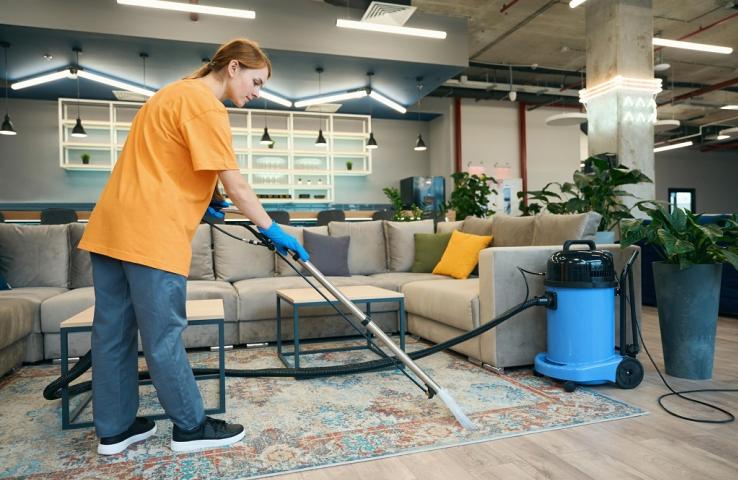
Regular cleaning routines, including dusting, vacuuming, and sanitizing, help eliminate harmful microorganisms and allergens, contributing to a healthier workspace. By prioritizing hygiene, businesses can reduce the spread of illnesses such as colds, flu, and other contagious diseases. A clean office is not just about appearance; it is about safeguarding the health of employees, which ultimately supports consistent workflow and operational efficiency.
2. Enhancing Employee Productivity and Morale
A clean and well-organized office environment has a direct impact on employee performance. Studies have shown that cluttered and dirty workspaces can contribute to stress, distraction, and fatigue, negatively affecting employee focus and efficiency. On the other hand, a tidy and sanitized environment fosters mental clarity, creativity, and motivation.
Regular office cleaning ensures that work areas are free from unnecessary clutter, dust, and dirt. This not only creates a visually appealing space but also helps employees feel valued and respected. When staff members see that their workplace is maintained to a high standard, it boosts morale and encourages a sense of pride and responsibility. A clean environment also reduces distractions, allowing employees to concentrate better on their tasks, leading to higher productivity levels.
3. Creating a Positive Impression on Clients and Visitors
First impressions matter, especially in business. The cleanliness of an office can significantly influence how clients, partners, and visitors perceive a company. A spotless, organized workspace reflects professionalism, attention to detail, and a commitment to quality. For example, just as immaculate residential window cleaning enhances the appearance of a home, streak-free and polished office windows contribute to a welcoming and professional environment. Conversely, a dirty, cluttered office can convey neglect and lack of care, which may harm a company’s reputation and credibility. Regular cleaning ensures that all visible areas, from reception to meeting rooms, are well-maintained and inviting. This positive perception can strengthen client relationships, facilitate business deals, and reinforce a company’s brand image.
4. Reducing Workplace Accidents and Ensuring Safety
A clean office is not just about health and aesthetics; it also contributes to workplace safety. Spills, clutter, loose wires, and accumulated debris can pose significant hazards, leading to slips, trips, and falls. Regular cleaning minimizes these risks by ensuring that floors, walkways, and workspaces are clear of obstacles and hazards.
Furthermore, proper maintenance and cleaning of office equipment reduce the chances of malfunctions that could lead to injuries. For example, keeping electrical appliances free from dust and ensuring that fire exits are unobstructed are essential safety measures. By prioritizing cleanliness, businesses can create a safer work environment, minimizing the risk of accidents and potential liabilities.
5. Extending the Lifespan of Office Assets
Regular cleaning also plays a vital role in preserving office furniture, equipment, and infrastructure. Dust, dirt, and grime can accumulate on surfaces and machinery over time, leading to wear and tear, corrosion, and functional issues. For instance, dust build-up on computers and electronic devices can cause overheating and reduce efficiency, while neglected carpets and upholstery can deteriorate faster. Similarly, just as immaculate residential window cleaning preserves the clarity and quality of home windows, regular attention to office surfaces and fixtures helps maintain their appearance and durability. Routine cleaning and maintenance not only keep office assets looking their best but also extend their operational lifespan, ultimately saving businesses money in the long run.
6. Supporting Environmental Responsibility
Modern office cleaning practices often incorporate eco-friendly and sustainable methods, including the use of non-toxic cleaning products, energy-efficient equipment, and proper waste disposal. By implementing regular cleaning schedules with environmentally conscious practices, businesses demonstrate social responsibility and commitment to sustainability. This not only benefits the environment but also enhances the company’s reputation among clients, employees, and stakeholders who value green initiatives.
Conclusion
Regular office cleaning is far more than a superficial task; it is a strategic investment in the health, productivity, safety, and reputation of a business. By ensuring a clean and hygienic environment, companies protect employees from illness, boost morale, enhance efficiency, and create a positive impression on clients and visitors. Moreover, consistent cleaning preserves office assets and demonstrates environmental responsibility, reflecting a company’s commitment to quality and professionalism.
In today’s competitive business landscape, every detail matters, including the state of the office itself. Organizations that prioritize regular cleaning cultivate a culture of care, responsibility, and excellence. Ultimately, maintaining a clean office is not just about appearances—it is about fostering a thriving workplace where employees feel valued, clients feel impressed, and operations run smoothly. Investing in regular office cleaning is an investment in the long-term success and sustainability of the business.