The Increasing Demand for Web Designers
Web designing has become a core function for businesses operating in the digital space. According to recent industry reports, over 70% of small and medium enterprises prioritize website design for customer engagement, reflecting the importance of skilled designers who can deliver user-friendly, responsive, and visually appealing websites.
Despite this demand, many learners entering the field face challenges. Traditional education often focuses on design theory without offering hands-on experience with modern tools, coding languages, or user interface design principles. This leaves learners underprepared to meet the practical requirements of real-world projects.
Agitate: Why Independent Learning Often Falls Short
Many aspiring web designers attempt self-learning through tutorials, videos, or online guides. While these resources introduce concepts, they rarely provide structured, project-based learning. Common challenges include:
-
Limited understanding of responsive design and mobile-first development.
-
Difficulty using design tools such as Figma, Adobe XD, or Photoshop effectively.
-
Challenges in integrating design with front-end technologies like HTML, CSS, and JavaScript.
Industry insights indicate that employers value candidates who can demonstrate project experience, not just theoretical knowledge. Without guided practice, learners may struggle to secure professional roles in web designing.
Solution: Structured Web Designing Courses with Hands-On Learning
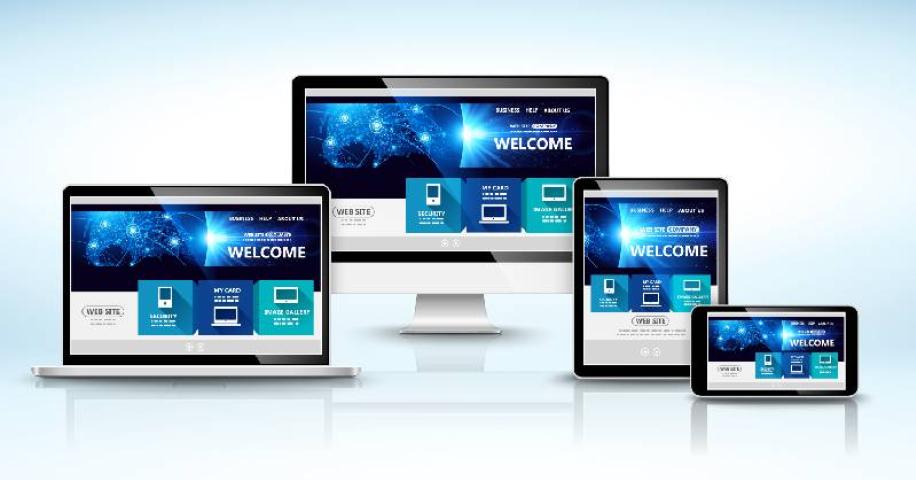
A professional Web Designing Course provides structured learning that combines theory with practical application. Learners gain a step-by-step understanding of how to create websites that are both visually appealing and functionally effective.
Core components of the course typically include:
-
HTML, CSS, and JavaScript: Foundational languages for front-end development.
-
Responsive Design: Creating layouts that adapt to various devices.
-
UI/UX Design Principles: Designing intuitive interfaces that enhance user experience.
-
Graphic Tools: Using Figma, Adobe XD, or Photoshop for design elements.
-
Portfolio Development: Building a collection of real projects to showcase skills to employers.
By completing live projects, learners gain practical experience that reflects industry expectations, allowing them to work confidently on client projects or professional assignments.
How Skills Matrix Supports Web Designing Learning
Skills Matrix offers industry-aligned training focused on practical application and skill development.
Benefits of the training program include:
-
Project-Oriented Learning: Students design complete websites and UI elements during the course.
-
Skill Integration: Lessons combine design principles with coding for hands-on learning.
-
Updated Curriculum: Modules reflect current trends and tools used in professional web designing.
-
Career Support: Guidance in building portfolios and preparing for job opportunities in web design.
This method ensures learners develop job-ready skills and gain confidence in applying their knowledge in real-world scenarios.
Final Thoughts
The demand for skilled web designers continues to grow as businesses increasingly rely on digital platforms. A structured Web Designing Course helps learners bridge the gap between theoretical knowledge and practical application.
Institutes like Skills Matrix provide a learning environment where students gain hands-on experience, build professional portfolios, and acquire the skills required to succeed in a competitive digital landscape. By focusing on applied learning and real-world projects, learners can effectively prepare for careers in web designing.