
In the modern world, which is digitally oriented and fast moving, starting a business may be exciting, and at the same time, challenging. The barriers to entry have been reduced because technology is dynamic creating more opportunities than ever before to the entrepreneur. Nevertheless, planning and strategic thinking are necessary in order to achieve success, as well as flexibility. This guide will take you through all the key activities of launching a business that will occur in the year 2025 such as refining your idea, to the formal launch of your business.
1. Understanding the Modern Business Landscape
In the year 2025, entrepreneurship will be very different compared to what it was ten years ago. Technology, online marketing, and remote operation have become very essential in businesses. Consumers demand convenience, personalization and fast service.
It is worth knowing before you jump:
Trends shaping industries (e.g., AI, sustainability, e-commerce, and automation)
Shifts in consumer behavior, like online purchasing habits
Legal and digital compliance requirements, such as data protection laws
This awareness will help you create a business that is both future-proof and relevant.
2. Step One: Find a Profitable Business Idea
Every successful business starts with a powerful idea.
To find yours:
Identify problems that need solving — the best businesses offer solutions.
Analyze market demand using tools like Google Trends or social media insights.Assess your skills, experience, and interests — passion drives perseverance.
Examples of trending business ideas in 2025 include online learning platforms, sustainable product brands, digital marketing agencies, and tech-driven service solutions.
3. Step Two: Conduct Thorough Market Research
Before investing any money, conduct in-depth market research to validate your idea.
Focus on:
Target audience: Who are they? What are their pain points?
Competitor analysis: What are others doing, and how can you do it better?
Market gaps: Look for opportunities where demand is high but supply is low.
Market research ensures your business stands out rather than blending into a crowded space.
4. Step Three: Create a Solid Business Plan
A business plan is your roadmap to success. It defines your vision, goals, strategies, and financial projections.
Include the following sections:
Executive Summary – Overview of your business idea
Company Description – What makes your business unique
Market Analysis – Data-backed insights on your target market
Product/Service Details – What you’re offering and why it’s valuable
Marketing Strategy – How you’ll attract and retain customers
Financial Plan – Startup costs, pricing, and profit projections
This document will also be essential if you plan to seek investors or loans.
5. Step Four: Register Your Business and Handle Legalities
In 2025, registering your business is easier than ever, thanks to online platforms.
Key steps include:
Choose a business structure – Sole proprietorship, LLC, or corporation
Register your business name and domain
Apply for necessary licenses or permits
Understand tax obligations specific to your location and industry
It’s wise to consult a business attorney or accountant to ensure you meet all compliance requirements.
6. Step Five: Build Your Brand and Online Presence
Brand is what the customers think of you. It must be your mission, values and your intended audience.
To build a strong presence:
Create a strong logo and image.
Develop a business website that promotes your goods or services.
Search engines optimize your website to get in Google.
Use social media to market and interact.
Digital visibility is key in 2025. Your business will not be known without an online presence.
7. Step Six: Set Up Operations and Finances
Once your business is legally established, you need to set up its operational backbone.
Open a business bank account
Choose the right accounting software (like QuickBooks or Xero)
Set up a payment system for online and offline transactions
Define your supply chain and logistics if selling physical products
Efficiency and organization at this stage save major headaches later.
8. Step Seven: Marketing Your Business
Marketing plays a vital role in your growth. In 2025, digital marketing dominates the landscape.
Use strategies like:
Search Engine Optimization (SEO) to attract organic traffic
Social Media Marketing on platforms like Instagram, LinkedIn, and TikTok
Email Marketing to nurture leads and retain customers
Content Marketing to build authority through blogs and videos
Paid Advertising (Google Ads, Meta Ads) for quick visibility
The integration of AI in Digital Marketing is also transforming how businesses target customers, personalize campaigns, and measure performance efficiently.
9. Step Eight: Launch and Grow
After months of preparation, it’s time to launch your business!
Start small, test your offerings, and collect customer feedback. Focus on:
Continuous improvement
Building relationships with customers
Analyzing data and refining strategies
Growth doesn’t happen overnight — it’s built through consistent effort, adaptability, and customer satisfaction.
10. Step Nine: Scale Your Business
Once your foundation is strong, explore ways to scale:
Expand your product or service line
Enter new markets or regions
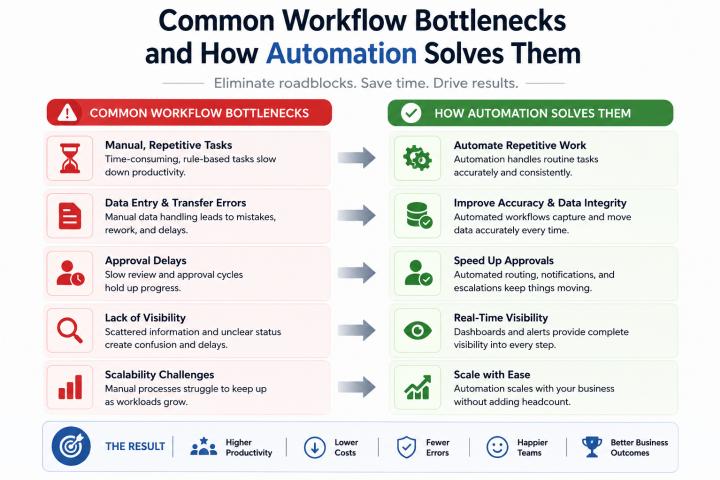
Automate processes using tools and software
Collaborate with influencers or industry partners
Remember: scaling should be strategic, not rushed.
Conclusion:
Starting a business in 2025 is both a challenge and an opportunity. With the right idea, strategy, and mindset, you can create something meaningful and profitable. Embrace technology, stay customer-focused, and never stop learning.
Your journey from idea to launch begins today — so take the leap, and start building the business you’ve always dreamed of.