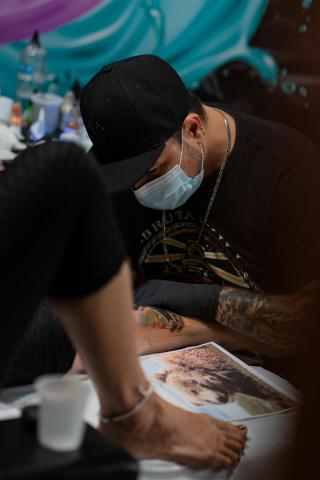
If you’re new to tattooing, mastering the basics of safety and hygiene is just as important as learning to draw a clean line or pack smooth color. Every tattoo artist especially beginners must understand that the health and trust of clients depend on strict sanitation standards. At Certified Tattoo Academy in Denver, we teach safety from day one so you can start your career the right way.
Why Safety and Hygiene Matter in Tattooing
Tattooing breaks the skin barrier, which means every artist carries a responsibility to prevent infections, cross-contamination, and allergic reactions. Poor hygiene can lead to serious consequences—both for clients and for your career. A clean, organized, and sterile environment isn’t optional; it’s a professional standard that separates trained artists from hobbyists.
1. Understanding Cross-Contamination
Cross-contamination happens when pathogens are transferred from one surface or person to another. In a tattoo shop, this could mean:
- Reusing needles or tubes without sterilization
- Touching a contaminated surface and then handling clean equipment
- Setting tools on unprotected workstations
How to prevent it:
- Always use single-use, disposable needles and tubes.
- Cover machines, clip cords, and spray bottles with protective barrier film.
- Change gloves every time you touch something outside your sterile field.
At Certified Tattoo Academy, our students practice proper barrier setup repeatedly until it becomes second nature
2. Proper Hand Hygiene
Your hands are your most important tools and the easiest way to spread germs.
Before and after every tattoo session:
- Wash hands with antibacterial soap for at least 20 seconds.
- Dry them with disposable paper towels, not cloth towels.
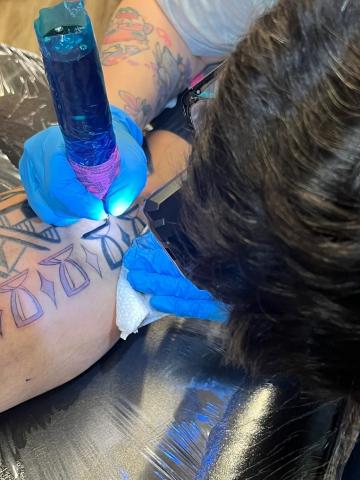
- Put on new, high-quality nitrile gloves before touching anything in your sterile area.
3. Maintaining a Clean Workstation
Before your client even sits down, your station should be spotless.
- Wipe down all surfaces with an EPA-approved disinfectant.
- Cover your tattoo bed or chair with a fresh protective barrier.
- Keep clean and used tools separate at all times.
Between every client, break down and fully disinfect your area no shortcuts.
4. Equipment Sterilization Basics
Even with disposable supplies, some tools need sterilization.
Professional studios use autoclaves machines that use steam and pressure to kill all microorganisms. If you ever reuse metal grips, tips, or tubes, they must go through a full autoclave cycle.
At Certified Tattoo Academy, we walk beginners through autoclave operation, testing, and documentation so they can confidently meet health department standards.
5. Client Safety and Aftercare
Safety doesn’t stop when the tattoo ends.
- Always provide clients with aftercare instructions.
- Use sterile, single-use razors for shaving the area.
- Apply protective ointment with a clean spatula, never your gloves.
- Bandage the tattoo with fresh film or dressing before they leave.
This not only protects your client’s skin it also builds trust and repeat business.
6. Colorado Tattoo Health Regulations
In Colorado, tattoo artists are required to follow specific state and local health codes that cover sanitation, glove use, waste disposal, and sterilization. During our Denver tattoo apprenticeship program, students learn these regulations inside and out so they’re fully prepared for inspection and certification.
Start Your Career the Safe Way
Every great tattoo artist begins with clean habits. At Certified Tattoo Academy, our goal is to prepare beginners to tattoo confidently and safely without risking their clients or their careers. From proper station setup to professional hygiene training, our Denver tattoo apprenticeship program ensures you meet (and exceed) industry standards.
Also Read : 10 Key Skills Every Tattoo Apprentice Should Master in Their First 6 Weeks