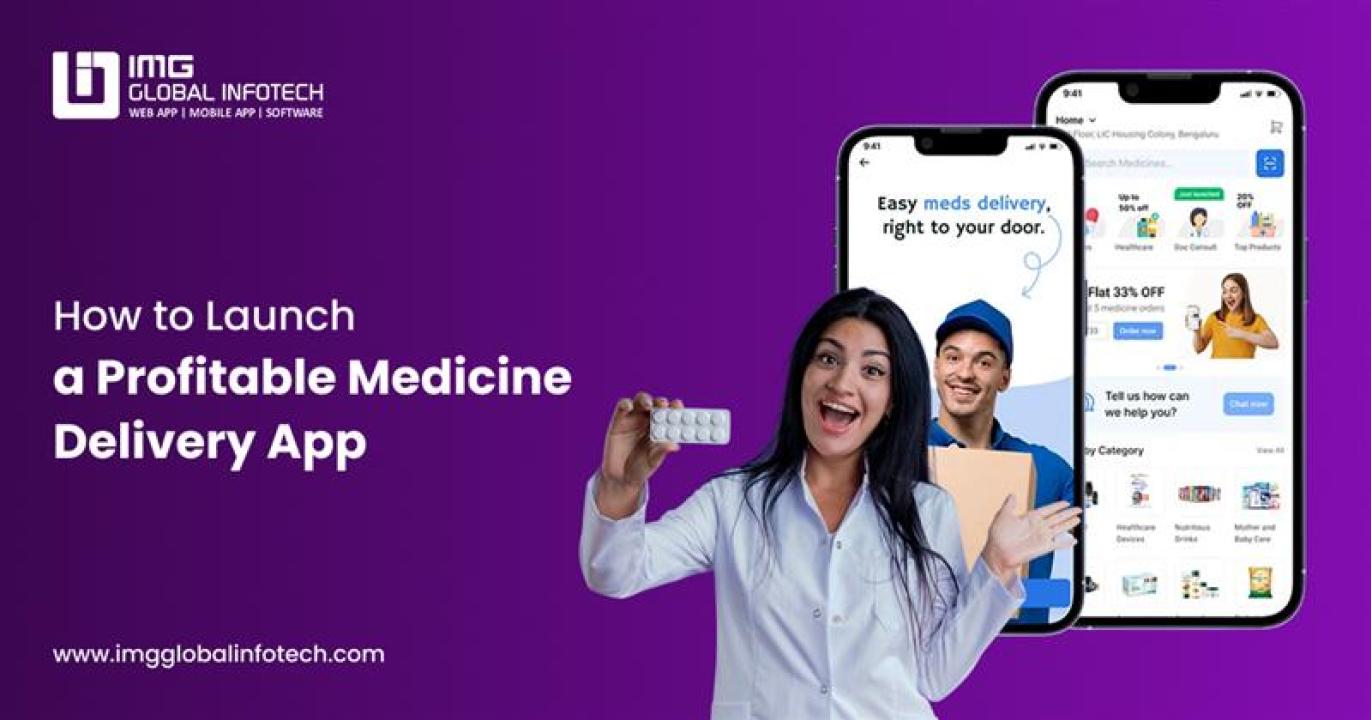
The healthcare industry has undergone a remarkable digital transformation in the last few years, and one of the most impactful innovations has been medicine delivery apps. From doorstep delivery to digital prescriptions, these platforms are revolutionizing how consumers access healthcare products. As we step into 2025, launching a medicine delivery app is not only a profitable venture but also a service that meets the growing demand for convenience and safety in healthcare.
If you’re planning to enter this domain, understanding how to create a successful and profitable medicine delivery platform is essential. This guide will take you through every critical step — from market research to launch and beyond.
1. Understanding the Market Opportunity
The global medicine delivery market is booming. According to recent studies, the online pharmacy sector is expected to surpass $300 billion by 2030, driven by the rise of e-health services, chronic illness management, and the convenience of on-demand delivery. In India alone, apps like 1mg, PharmEasy, and NetMeds have set a precedent, showing how technology can transform traditional pharmacy models.
What’s fueling this growth?
- Increased smartphone penetration and internet connectivity
- Rising consumer preference for contactless services post-COVID-19
- Greater accessibility to digital healthcare platforms
- Government support for telemedicine and e-prescriptions
These factors make 2025 the perfect time to invest in a medicine delivery app. By targeting the right audience urban professionals, chronic patients, and elderly users you can tap into a market with consistent demand and long-term profitability.
2. Key Features Every Medicine Delivery App Should Include
To succeed in this competitive landscape, your app must go beyond basic ordering functionality. It should offer a seamless, secure, and user-friendly experience.
a. User Panel Features:
- Smart search: Enable users to search by medicine name, composition, or brand.
- Prescription upload: Allow customers to upload prescriptions for quick approvals.
- Order tracking: Offer real-time GPS tracking of deliveries.
- Auto-refill: Help users set automatic reorder reminders for monthly medications.
b. Pharmacy Panel Features:
- Inventory management: Update available stock in real time.
- Order management: Approve or reject orders instantly.
- Sales analytics: Monitor performance and sales trends.
c. Admin Panel Features:
- Dashboard control: Manage users, vendors, and transactions from one screen.
- Payment & commission tracking: Simplify financial management.
- Performance analytics: Analyze trends and make data-driven decisions.
d. Advanced Add-ons:
- AI-powered medicine recommendations
- In-app chat with pharmacists or doctors
- Multi-language support for accessibility
- Integration with wearable health devices
These features not only improve user satisfaction but also enhance operational efficiency.
3. Step-by-Step Guide to Launching Your Medicine Delivery App
Step 1: Conduct In-Depth Market Research
Study your target demographic, competitors, and regulatory landscape. Understand the specific pain points users face, such as delayed delivery or prescription confusion, and design your app to solve them.
Step 2: Choose the Right Business Model
There are three popular models to consider:
- Inventory-based: You stock and sell medicines directly.
- Aggregator model: You connect users with local pharmacies.
- Hybrid model: A mix of both — perfect for scalability.
Step 3: Partner with a Reliable Development Team
To ensure smooth execution, collaborate with a trusted android app development company experienced in healthcare app creation. They’ll help with compliance, data privacy, and performance optimization.
Step 4: Build a User-Centric Design
Focus on clean navigation and a simple, intuitive interface. Prioritize accessibility features like larger fonts and voice search to serve elderly users effectively.
Step 5: Develop and Integrate Technology Stack
Use robust frameworks such as Flutter or React Native for cross-platform efficiency. Integrate payment gateways, secure authentication, GPS APIs, and notification systems for seamless operation.
Step 6: Ensure Data Security and Legal Compliance
Your app must comply with healthcare data regulations like HIPAA or GDPR, depending on your target market. Implement SSL encryption, two-factor authentication, and secure cloud storage.
Step 7: Test, Launch, and Market Your App
Before launching, conduct thorough testing for bugs, performance, and scalability. Once the app is ready, create buzz through pre-launch campaigns, social media teasers, and influencer marketing.
4. Tech Stack for Building a Robust Medicine Delivery App
The right technology stack ensures scalability, stability, and speed.
- Frontend: React Native, Flutter, or Swift for iOS
- Backend: Node.js, Django, or Laravel
- Database: Firebase, MySQL, or MongoDB
- APIs: Twilio for SMS, Google Maps for location, Razorpay for payments
- Security Tools: SSL certificates, data encryption, and secure login protocols
A professional mobile app development service can assist you in selecting the ideal tech stack that aligns with your business goals and user needs.
5. Monetization Strategies for Maximum Profit
Building a medicine delivery app is not just about convenience; it’s about sustainability and revenue generation. Here are some ways to monetize effectively:
- Commission-based revenue: Charge pharmacies a small percentage on every sale.
- Subscription plans: Offer membership programs for users who order regularly.
- Sponsored listings: Allow pharmacies to feature their stores for higher visibility.
- Delivery fees: Add minimal service charges for express or late-night deliveries.
- Advertisements: Collaborate with healthcare brands for in-app promotional placements.
These strategies help maintain steady income while offering users value-added services.
6. Common Challenges and How to Overcome Them
a. Regulatory Compliance:
Different regions have different rules for online medicine sales. Partner with certified pharmacies and ensure prescription verification before delivery.
b. Maintaining Real-Time Inventory:
Integrate automated inventory management systems to sync pharmacy stock levels instantly.
c. Delivery Logistics:
Ensure quick delivery through partnerships with local couriers or in-house logistics teams. Consider cold-chain management for temperature-sensitive drugs.
d. Building Trust:
Highlight verified pharmacies, secure payments, and customer reviews to build credibility among users.
e. Data Security:
Adopt advanced encryption methods to protect users’ personal and medical data from breaches.
Overcoming these challenges builds reliability — the most crucial factor for long-term success in healthcare delivery.
7. Marketing Strategies to Drive App Growth
The success of your medicine delivery app depends largely on visibility and user retention. Implement a strategic marketing approach to stand out in the competitive landscape.
- App Store Optimization (ASO): Optimize your app’s title, description, and visuals for higher visibility on Google Play and Apple Store.
- Social Media Marketing: Promote through healthcare influencers, patient support groups, and informative posts.
- Referral Programs: Offer discounts for users who invite friends or family.
- Loyalty Programs: Reward repeat purchases with cashback or points.
- Local Partnerships: Collaborate with clinics, pharmacies, and doctors to expand your reach.
A well-planned marketing campaign can turn your app from a startup concept into a trusted healthcare brand.
8. Cost to Develop a Medicine Delivery App in 2025
The cost of developing a medicine delivery app depends on various factors such as features, platform, and design complexity.
- Basic App (Core Features): $8,000 – $15,000
- Mid-Level App (Advanced UI & Add-ons): $15,000 – $30,000
- High-End App (AI, Analytics, Multi-language): $30,000 – $50,000
Working with professional Medicine Delivery App Development services ensures that your investment is well-utilized, providing scalability, top-notch security, and a superior user experience.
9. Future Trends Shaping Medicine Delivery Apps in 2025 and Beyond
Technology continues to redefine how healthcare is delivered. Here are some upcoming trends that will dominate in 2025:
- AI and Predictive Analytics: Personalized medicine suggestions based on user behavior and health data.
- Blockchain Technology: Transparent, tamper-proof transactions for medicine authenticity.
- Drone Delivery: Rapid, contactless delivery in remote locations.
- Integration with Wearables: Real-time health data for automated prescription refills.
- Voice Commerce: Ordering medicines using voice assistants like Alexa or Google Assistant.
Adapting to these innovations will keep your app ahead of the competition and relevant to future user expectations.
Conclusion
The rise of digital healthcare has created an incredible opportunity for entrepreneurs to enter the medicine delivery market. However, success requires more than just an idea it demands strategic planning, the right technology, and a user-first approach.
By understanding market trends, building strong partnerships, and focusing on trust and innovation, you can develop a profitable medicine delivery app that stands the test of time. Collaborating with an experienced android app development company ensures that your app is built for performance, security, and scalability setting you up for lasting success in the fast-growing e-health industry.
FAQs
Q1. How do medicine delivery apps make money?
Ans. They earn revenue through commissions, delivery fees, subscriptions, and paid promotions from pharmacies and healthcare brands.
Q2. How long does it take to build a medicine delivery app?
Ans. Depending on complexity, it usually takes 3–6 months for design, development, testing, and deployment.
Q3. Is it legal to sell medicines online in India?
Ans. Yes, but you must partner with licensed pharmacies and follow guidelines from the Central Drugs Standard Control Organisation (CDSCO).
Q4. What are the must-have features in a medicine delivery app?
Ans. Prescription upload, real-time tracking, secure payments, and automatic refill reminders are essential.
Q5. How can I ensure my app is secure?
Ans. Use SSL encryption, two-factor authentication, and comply with HIPAA/GDPR data protection standards.