Introduction
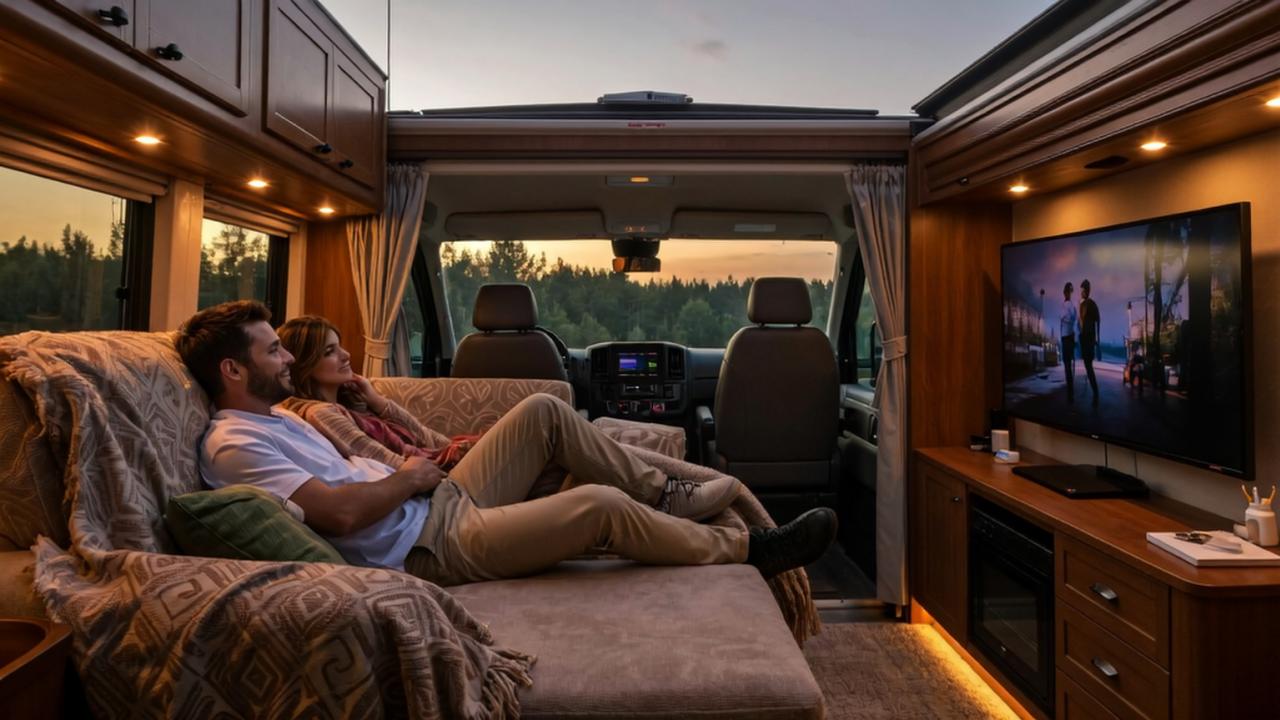
RV travel allows you to explore remote places and scenic spots far from city amenities. However, many beautiful camping sites lack cable and internet connections, which we often rely on at home. For travelers who like to watch TV after spending adventurous days outdoors, it's important to find reliable ways to enjoy television without relying on cable or the internet. The good news is that modern technology and traditional broadcasting methods work together to provide multiple solutions for accessing TV, regardless of the campground's amenities or how remote the location is. This travel guide explores effective methods for enjoying television in your RV when cable hookups and internet access are unavailable, helping you plan entertainment options for all your camping trips, from developed campgrounds to off-grid wilderness areas.
Best Way to Watching TV in RV Without Cable or Internet
If you’re wondering how to watch TV in an RV without using cable or the internet, there are several smart and affordable options. You can use antennas or watch pre-downloaded shows. This way, you can stay entertained even in remote areas.
Install a High-Quality Digital Antenna
Modern digital TV antennas can pick up over-the-air broadcasts from local stations, giving you free access to major network programming without needing cable or internet. These antennas come in different types, including omnidirectional models that receive signals from all directions and directional units that you aim at specific broadcast towers for better reception. Roof-mounted antennas usually perform better than indoor ones, capturing signals from further away and reducing interference from the RV structure.
The main point about antenna television is that the number of channels available depends on how close you are to broadcast towers. Urban areas and their nearby regions usually offer excellent reception with numerous channels, while rural locations may have limited options or none at all. Many RVers find that antenna television works well as their main entertainment source when camping near cities but use other methods when visiting truly isolated spots. Digital broadcasts provide impressive high-definition picture quality, often better than compressed cable or satellite signals. After buying and installing the antenna, this method incurs no ongoing costs, making it very economical for frequent travelers.
Subscribe to Portable Satellite TV
Satellite television systems made for RVs offer a wide selection of channels regardless of your location. Companies like DISH Network and DirecTV provide portable satellite packages with flexible options for seasonal travelers who don't need service year-round. These systems use satellite dishes to receive signals, only needing an unobstructed view of the southern sky rather than local broadcast towers or cable lines.
Portable satellite dishes offer you the flexibility to set up the equipment for the best reception at each camping site. Automatic satellite systems are more expensive initially but allow for push-button convenience. They automatically locate and track satellites without requiring manual adjustment. Satellite subscriptions have monthly fees similar to home service; however, RV-specific packages usually let you pause service during non-travel months, so you don’t pay for television you're not using. Weather conditions, like heavy storms, can interrupt satellite reception, and camping under thick tree cover can block access regardless of the equipment’s quality. Still, satellite connection remains popular among full-time RVers and frequent travelers looking for consistent access to programming while camping.
Create Your Personal Media Library
Building a collection of favorite movies and TV series on DVD or Blu-ray provides entertainment that works the same whether you're camping in a city or deep in the wilderness. Physical media needs no signals, subscriptions, or connections; you simply insert discs into your player and enjoy anytime. This reliability makes physical media a valuable backup for places where other methods fail or for travelers who frequently visit very remote areas.
Modern portable DVD and Blu-ray players use minimal power, making them practical even when boondocking with limited battery. Buying used discs from thrift stores, library sales, and online marketplaces makes it easy to build collections affordably. The main drawback is the variety of content; your library includes only what you've purchased without access to new releases unless you keep expanding your collection. However, for those who tend to rewatch favorites or build extensive libraries over time, physical media offers unmatched reliability and independence from external systems.
Leverage Downloaded Streaming Content
Many popular streaming services, including Netflix, Amazon Prime Video, and Disney+, allow you to download select content to mobile devices, tablets, or laptops while online, enabling offline viewing later without needing a connection. This approach combines the vast libraries of streaming with the independence that offline viewing provides. Planning is necessary to download shows and movies while connected to Wi-Fi or before heading out on trips, but this gives you access to current content while camping without an internet connection.
Download options vary by streaming service and specific content, as licensing agreements dictate which shows and movies support offline viewing. Downloaded content generally expires after a set time, requiring you to download it again periodically. This method works well for RVers who alternate between campgrounds with amenities and remote locations, offering a range of entertainment in different camping situations. Your device's storage limits how much content you can download at once, so plan your selections strategically.
Consider Mobile Cellular Options
While this guide focuses on entertainment without traditional cable or internet, using cellular data through smartphones, mobile hotspots, or dedicated RV internet services like UbiFi is another great option for many camping areas. Cellular coverage has grown significantly across the U.S., reaching many places once thought remote. When there's cellular signal, streaming services work normally, giving you access to unlimited content without needing cable or campground Wi-Fi.
UbiFi specializes in providing reliable internet for RVs via cellular networks, allowing for streaming in areas without traditional broadband but with cellular coverage. For travelers mainly in areas with cellular service, this method offers convenience and variety in content. Keep in mind that cellular coverage can have gaps in truly remote wilderness areas. Combining mobile internet with traditional offline methods creates various entertainment strategies for all situations you might encounter while RV traveling.
FAQs On Watching TV in RV Without Cable or Internet
How can I watch TV in my RV without internet?
You can watch TV without internet by using digital antennas to receive free over-the-air broadcasts from local stations, subscribing to satellite TV services that provide programming via satellite dishes, using DVD or Blu-ray players with your physical media collection, or viewing previously downloaded content from streaming services. These methods allow you to enjoy TV entertainment completely independent of internet access.
How to watch TV in an RV Without Cable or Internet?
Your options for watching TV without cable or internet include digital TV antennas for free local broadcast channels, satellite TV subscriptions offering hundreds of channels via satellite without needing an internet connection, physical media players using DVDs or Blu-rays from your collection, and offline viewing of content downloaded during previous internet access. Each option provides TV entertainment without needing cable or internet.
How to watch TV in an RV without Wi-Fi?
You can watch TV without Wi-Fi by using over-the-air antennas for broadcast signals, satellite systems providing programming independent of Wi-Fi, DVD and Blu-ray players with physical media, cellular data through mobile hotspots or services like UbiFi for streaming, or offline viewing of previously downloaded content. These solutions ensure you have access to entertainment without Wi-Fi.
How to Watch TV in RV While Camping?
While camping, you can access TV through digital antennas for free local broadcast channels where available, satellite TV systems providing consistent programming anywhere with clear views of the southern sky, physical media players for offline entertainment, cellular internet services like UbiFi for streaming when there's coverage, campground cable connections if available, or downloaded content viewed offline on mobile devices from earlier internet access.
What equipment do I need for TV in my RV?
Basic equipment includes a television compatible with your chosen content source, plus items specific to each method: a digital antenna for broadcast reception, a satellite dish and receiver for satellite service, a DVD or Blu-ray player for physical media, or mobile devices for downloaded content. Many RVs come pre-wired for antennas and have TV mounting locations. Quality equipment improves reception and reliability, so choosing the right gear is important for a good entertainment experience.
Which TV method provides best value for occasional RV travelers?
Digital antennas are the best value for occasional travelers, providing free television after the initial equipment cost with no ongoing fees. This works well when camping near populated areas with broadcast signals. Adding antennas to your DVD collection or downloaded content creates a full entertainment setup without recurring subscription costs. Frequent travelers visiting remote areas may find that satellite subscriptions are worth the monthly fees for consistent programming access.
Conclusion
You can get TV in your RV without cable or internet through several proven methods, including over-the-air antennas, satellite systems, physical media, and downloaded content strategies. Each approach has unique advantages depending on your camping >
The most effective plan often involves using a mix of methods to ensure access to entertainment across different camping situations. Install an antenna for free channels when you can, keep a satellite subscription for consistent programming, maintain a DVD collection for guaranteed entertainment, and use cellular services like UbiFi when available. This comprehensive strategy adapts to all scenarios encountered during your RV adventures, ensuring you have access to TV entertainment whether you're camping in developed campgrounds or exploring remote wilderness areas far from traditional services.