In the ever-evolving world of online retail, convenience and personalization have become the driving forces behind every purchase decision. Over the past few years, voice commerce has emerged as one of the most transformative innovations in the eCommerce landscape, changing how customers search, shop, and interact with brands.
But what exactly is voice commerce, and how is it reshaping the future of online shopping? Let’s dive in.
What is Voice Commerce?
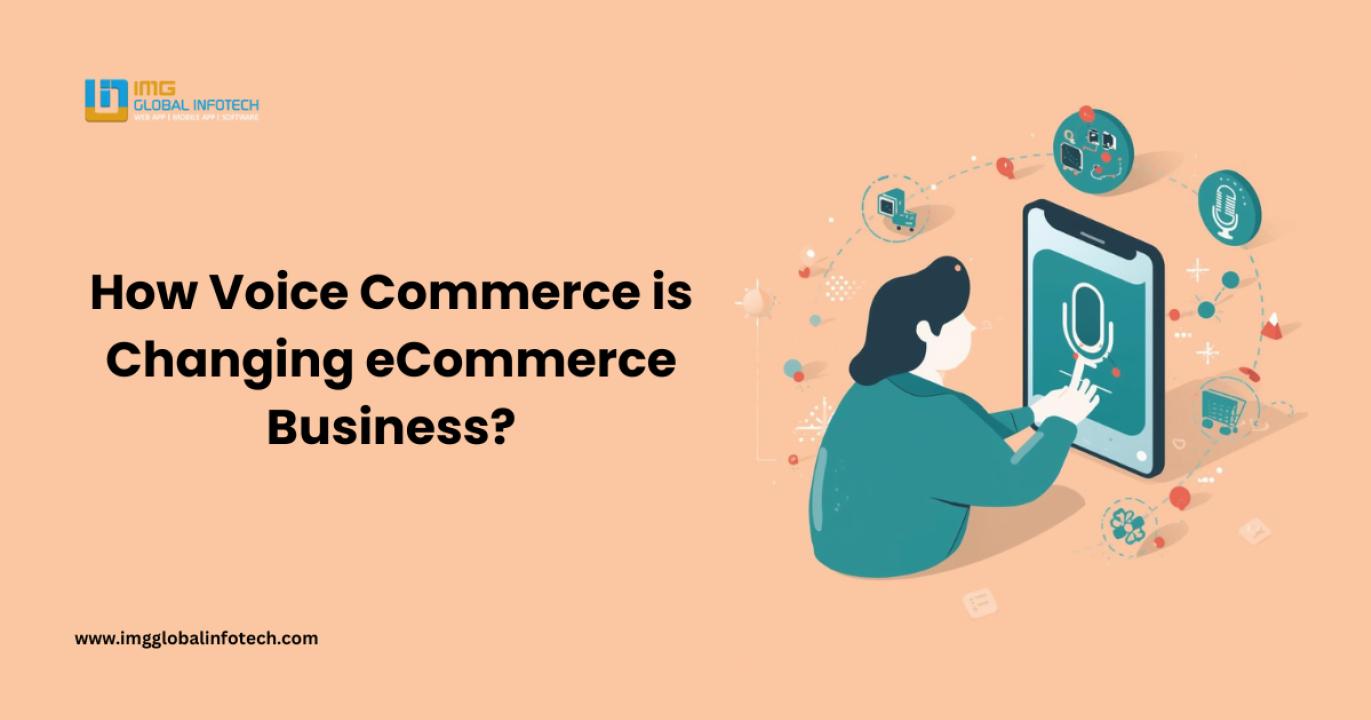
Voice commerce (or vCommerce) refers to the use of voice commands through smart devices and virtual assistants like Amazon Alexa, Google Assistant, or Apple Siri to search for products, place orders, and make payments.
Instead of typing keywords or scrolling through multiple pages, users can simply say things like:
“Alexa, reorder my favorite coffee,” or
“Hey Google, find the best deals on running shoes.”
This voice-powered convenience makes shopping faster, more natural, and increasingly integrated into daily life.
Why Voice Commerce is Gaining Popularity
1. Hands-Free Convenience
Modern consumers value speed and ease. E-commerce development company integrate Voice search to allow customers to multitask; shop while cooking, driving, or working. It removes the friction of typing, searching, and navigating, making online shopping as simple as speaking.
2. Rise of Smart Speakers and Voice Assistants
The growing adoption of smart speakers such as Amazon Echo, Google Nest, and Apple HomePod has accelerated voice shopping trends. According to reports, millions of households now use these devices regularly, with a significant portion making at least one purchase via voice commands every month.
3. Personalized Shopping Experience
Voice assistants learn from user behavior and preferences. This enables highly personalized product recommendations, tailored discounts, and faster reorder options, creating a more engaging and relevant shopping journey.
4. Integration with AI and Machine Learning
AI plays a crucial role in making voice commerce smarter. It understands accents, recognizes intent, and predicts needs based on past behavior. This level of intelligence turns every voice interaction into an opportunity for businesses to upsell or retain loyal customers.
How Voice Commerce is Transforming eCommerce Businesses?
1. Redefining Search and SEO
Voice search queries differ from text-based ones. They are more conversational, for example, “Where can I buy organic skincare products near me?”
This shift is pushing AI tools for eCommerce businesses to optimize for voice search SEO, focusing on natural language, long-tail keywords, and local intent.
2. Streamlining the Shopping Journey
Voice commerce reduces the traditional shopping funnel. A few voice commands can now take customers from discovery to checkout, minimizing drop-offs and cart abandonment rates.
3. Enhancing Customer Engagement
With interactive and conversational responses, brands can create more engaging and human-like experiences. For instance, a fashion retailer could offer >
4. Expanding Accessibility
Voice commerce opens the door to a broader audience, especially for visually impaired or elderly shoppers who may find traditional browsing difficult. It makes eCommerce more inclusive and user-friendly.
The Future of Voice Commerce
The future of eCommerce is increasingly voice-first. As voice recognition becomes more accurate and integrated with smart devices, we’ll see:
- AI-driven product discovery
- Voice-based payments and authentication
- Deeper personalization through conversational shopping
For businesses, this means adapting early, investing in voice-enabled website features, voice search optimization, and AI-based voice assistants to stay ahead of the curve.
Final Thoughts
Voice commerce isn’t just a trend, it’s a shift in how customers interact with technology and brands. As people grow more comfortable speaking to devices, the brands that adopt voice-driven strategies today will be tomorrow’s leaders in digital retail.
If you’re an eCommerce business looking to enhance customer experience and stay ahead of the competition, integrating voice technology is the next step toward innovation and growth.