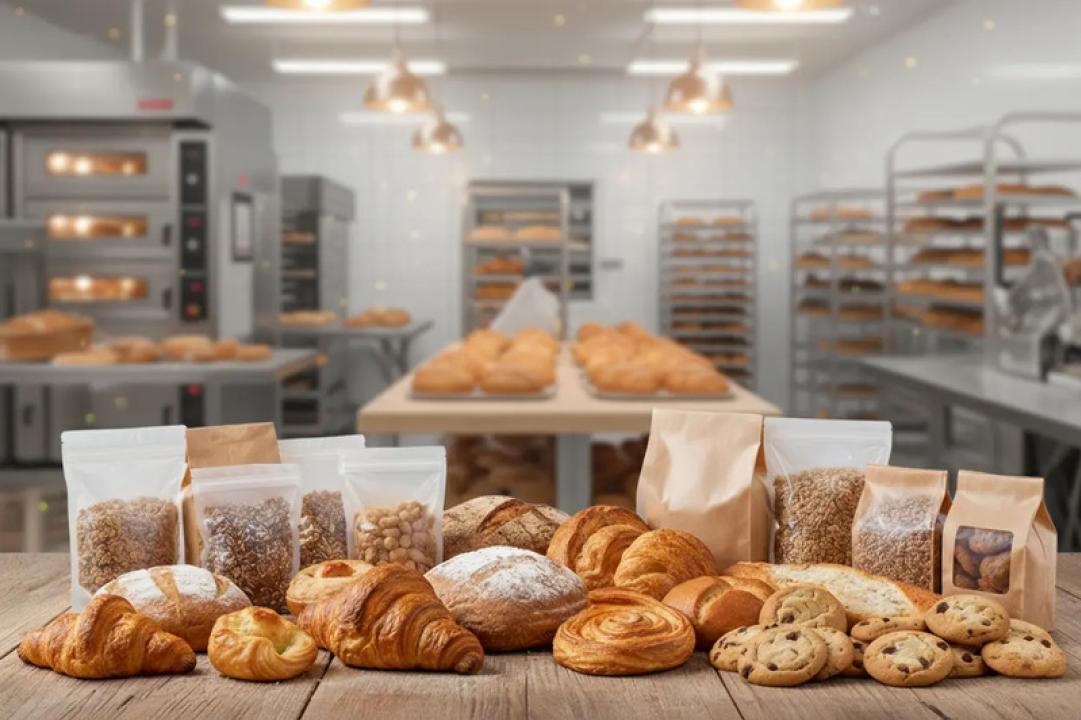
Imagine sinking your teeth into a soft, chewy loaf of bread or a flaky, buttery croissant, each bite delivering the same delicious taste and perfect texture as when it left the oven, with no hint of staleness or dryness. This consistent quality is safeguarded by bakery packaging machines, the dedicated guardians that wrap baked goods in airtight, protective pouches to preserve their flavor, feel, and overall appeal from bakery to table. These machines are like a baker’s watchful eye, carefully enclosing breads, cakes, and pastries to shield them from air, moisture, and contaminants that could alter their just-baked charm. Whether you’re a quaint neighborhood bakery packing warm rolls for daily customers, a bustling shop creating custom cakes for celebrations, or a major manufacturer distributing pastries to stores nationwide, these machines maintain the essence of your products. By using advanced sealing, food-safe materials, and precise handling, bakery packaging machines ensure every treat retains its inviting taste, satisfying texture, and high quality, helping your brand earn customer loyalty in a market that values authenticity and freshness above all.
Bakery packaging machines are like a baker’s secret recipe, protecting taste and texture to make every bite a joy.
Why Does Protecting Taste, Texture, and Quality Matter?
Protecting the taste, texture, and quality of baked goods is fundamental to customer satisfaction and brand success, as these elements define the sensory experience that keeps people coming back for more. Taste comes from the balanced flavors developed during baking, such as the tangy notes in sourdough or the sweet richness in chocolate cake, which can fade if exposed to oxygen or humidity. Texture, whether the crisp crust of a baguette or the moist crumb of a muffin, relies on controlled moisture levels to avoid sogginess or dryness, ensuring each bite feels just right. Quality encompasses overall freshness, safety, and appearance, free from contamination or degradation that could lead to off-flavors or unappealing looks. Bakery packaging machines play a pivotal role by creating immediate barriers after baking, locking in these attributes to extend shelf life without artificial preservatives. For small bakeries selling locally or large operations supplying chains, maintaining these qualities builds trust, reduces returns, and supports repeat business, making the investment in proper packaging a smart choice for long-term success.
How Do These Machines Seal in Taste and Texture?
Bakery packaging machines seal in taste and texture through a careful process that forms, fills, and closes pouches with precision for breads, cakes, and pastries:
- Food-Safe Film Loading for Protective Start: A roll of durable, food-grade film is loaded, ensuring pouches shield baked goods from air and moisture that could dull flavors or soften textures during storage or shipping.
- Pouch Shaping for Custom Fit: Films are molded into pouches tailored to product sizes, reducing air pockets to preserve the tangy taste of rolls or the creamy texture of cakes.
- Delicate Product Placement for Integrity: Baked items like croissants or loaves are inserted gently, avoiding compression that could crush flaky layers or mix flavors unintentionally.
- Strong Sealing for Locked-In Quality: Heat or ultrasonic methods create airtight closures, trapping freshness to maintain the buttery taste of pastries or the soft texture of muffins.
- Precise Cutting and Discharge for Efficiency: Finished pouches are cut and released cleanly, ready for labeling, keeping the process smooth while protecting quality for retail or home use.
Touchscreen interfaces make adjustments simple for different baked goods, allowing your team to protect taste and texture across various items.
How Do Airtight Seals Safeguard Flavor and Feel?
Airtight seals are essential for safeguarding the flavor and feel of baked goods, creating a barrier that keeps taste vibrant and texture consistent:
- Oxygen Exclusion for Flavor Longevity: Seals block oxygen, preventing oxidation that fades the zesty taste of lemon cakes or the nutty notes in whole grain breads over time.
- Moisture Control for Texture Stability: Strong closures regulate humidity, maintaining the crisp exterior of cookies or the tender interior of cupcakes without sogginess or hardness.
- Gas Management for Freshness Balance: Optional modified atmosphere packaging removes excess air, preserving the fresh-baked taste and soft feel of pastries during extended shelf life.
- Sensor Checks for Seal Strength: Detection systems verify closure integrity, ensuring no leaks compromise the savory flavor of savory rolls or the delicate texture of eclairs.
Why Are Food-Safe Materials Vital for Quality?
Food-safe materials are vital to uphold quality, ensuring baked goods remain pure and unaltered in taste, texture, and safety:
- #316 Stainless Steel for Sanitary Contact: Bacteria-resistant surfaces prevent microbial transfer, keeping the clean taste of plain loaves or the smooth texture of frostings intact.
- High-Barrier Films for Contaminant Block: Films stop external odors or chemicals, preserving the vanilla essence in cakes or the chewy feel of bagels without interference.
- Non-Toxic Components for Pure Products: All parts meet safety standards, avoiding any residue that could impart off-tastes or alter the light, airy texture of sponge cakes.
- Hygienic Design for Easy Cleaning: Smooth surfaces reduce buildup, ensuring consistent quality for sensitive items like fruit tarts or dense brownies in every batch.
Bakery packaging machines are like a fresh oven’s hug, protecting taste, texture, and quality for every delicious moment.
How Does Precision Handling Preserve Product Integrity?
Any reputable packaging machine manufacturer would emphasize that packaging machines rely on precision handling to preserve the integrity of taste, texture, and quality throughout the process. Gentle mechanisms guide baked goods into pouches without pressure that could flatten the risen structure of dinner rolls or smear icing on decorated cakes, ensuring the original form and feel remain unchanged. Accurate filling systems measure portions to avoid overpacking, which might compress soft muffins and dry out their moist centers, or underpacking, leading to excess air that accelerates staling in crusty breads. Controlled speeds match baking output, minimizing time outside cooled environments to retain the warm, inviting taste of just-baked pastries. This careful approach extends to sealing, where even heat distribution creates uniform closures without scorching delicate surfaces that could bitter flavors in chocolate treats. Overall, precision handling acts as a safeguard, maintaining the handmade appeal of artisan items or the uniform excellence of mass-produced goods, delivering products that taste, feel, and look as intended to customers.
Why Is Moisture Control Crucial for Texture?
Moisture control is crucial to keep textures appealing, preventing unwanted changes that affect the eating experience of baked goods:
- Humidity-Resistant Films for Balance: Films maintain internal moisture, keeping the fluffy texture of sponge cakes or the chewy bite of cookies without drying or mushiness.
- Airtight Barriers for Consistency: Seals prevent external dampness, preserving the snap of biscotti or the tenderness of banana bread during storage or transport.
- Optional Gas Flushing for Protection: Nitrogen injection displaces oxygen, stabilizing moisture levels to retain the creamy feel of cheesecakes or the crisp layers of puff pastry.
- Sensor Monitoring for Optimal Conditions: Systems track pouch environments, ensuring textures like the soft crumb of brioche stay perfect for consumer satisfaction.
How Do Hygiene Standards Uphold Taste and Quality?
Hygiene standards are key to upholding taste and quality, ensuring baked goods stay free from elements that could compromise their purity:
- Enclosed Chambers for Clean Processing: Sealed areas block dust or particles, preventing foreign tastes in plain rolls or texture-altering debris in frosted cakes.
- Quick-Wash Surfaces for Sanitation: Stainless steel allows thorough cleaning, avoiding residue buildup that might sour the flavor of yeast breads or harden pastry surfaces.
- Residue Detection for Purity: Sensors identify crumbs or oils, ensuring clean pouches that protect the natural taste of herb-infused loaves or fruit fillings.
- Controlled Environments for Safety: Low-microbe settings inhibit growth, maintaining the fresh quality of sensitive items like cream-filled donuts or gluten-free options.
How Do Custom Pouches Enhance Taste and Appeal?
Custom pouches enhance taste preservation while improving appeal, making baked goods more attractive to buyers:
- Printed Designs for Brand Draw: Colorful pouches highlight flavors, drawing eyes while airtight layers keep the spicy taste of gingerbread or smooth texture of pound cake intact.
- Stand-Up Styles for Visibility: Upright pouches display products clearly, preserving quality and preventing damage that could crush delicate meringues or macarons.
- Windows for Tempting Views: Clear panels show golden crusts or colorful fillings, enticing purchases without exposing goods to air that fades taste.
- Resealable Options for Ongoing Freshness: Closures allow repeated access, maintaining texture after opening for items like sliced bread or cookie packs.
Why Are Gentle Mechanisms Beneficial for Texture?
Gentle mechanisms are beneficial for protecting texture, handling baked goods with care to avoid damage during packaging:
- Soft-Touch Insertion for Delicacy: Mechanisms place flaky items like turnovers lightly, preserving layers without breaking or compacting that alters mouthfeel.
- Low-Pressure Filling for Soft Goods: Systems accommodate moist cakes gently, preventing squishing that could make centers gummy or edges tough.
- Vibration Control for Stability: Minimal shaking keeps crumb structures intact in loaves, ensuring even texture from crust to center for every slice.
- Custom Guides for Varied Shapes: Adjustable paths fit irregular pastries, maintaining their unique forms and feels without distortion or flavor mixing.
Are Scalable Features Useful for Maintaining Quality?
Scalable features are useful for maintaining quality as your bakery grows, adapting to increased demand without compromise:
- Modular Add-Ons for Capacity: Extra stations boost output for high-volume breads, keeping sealing precision to protect taste in larger runs.
- Flexible Settings for New Items: Controls adjust for seasonal cakes, ensuring texture protection across expanded product lines.
- High-Output Modes for Consistency: Up to 70 pouches per minute maintain gentle handling, preserving quality for retail or wholesale scales.
- Durable Builds for Reliability: Strong construction handles growth, ensuring ongoing taste and texture safeguards for long-term operations.
Bakery packaging machines are like a quality promise, guarding taste, texture, and freshness in every pouch.
Comparison Table of Bakery Packaging Machines
Here’s a comparison of four Unified Flex bakery packaging machines, with unique data distinct from previous blogs:
Feature | Bakery Guard – Compact | Bakery Guard – Regular | Bakery Guard – Volume | Bakery Guard – Tailored |
Output | 14 pouches/min for small runs | 40 pouches/min for steady demand | 70 pouches/min for high volumes | 22 pouches/min for unique items |
Max Pouch Width | 4.5 inches for compact pouches | 6.5 inches for standard pouches | 8.5 inches for bulk packs | 5.5 inches for custom designs |
Max Pouch Height | 6.5 inches for small batches | 8.5 inches for medium sizes | 10.5 inches for large packs | 7.5 inches for specialty formats |
Material | #316 Stainless Steel for durability | #316 Stainless Steel for hygiene | #316 Stainless Steel for heavy use | #316 Stainless Steel for flexibility |
Sealing Type | Heat sealing for basic closures | Heat or ultrasonic for reliability | Ultrasonic for fast, strong seals | Adjustable for varied films |
Pouch Style | Flat pouch for cookies | Stand-up pouch for breads | Resealable for bulk cakes | Custom with window for pastries |
Applications | Small-batch muffins, rolls | Medium-run breads, pastries | Large-scale cakes, loaves | Artisanal or specialty goods |
Best For | Small bakeries with low output | Growing bakeries with steady needs | Factories with high retail demand | Brands with unique offerings |
Control System | Simple PLC for basic operation | Touchscreen for precise control | Advanced PLC for high throughput | Touchscreen for customization |
Footprint | Small for limited spaces | Medium for standard facilities | Large for industrial lines | Medium for specialized setups |
FAQs About Bakery Packaging Machines
How do bakery packaging machines protect taste?
Airtight seals and barrier films block oxygen, preserving flavors like tangy sourdough or sweet cake fillings.
How do they maintain texture in baked goods?
Moisture control and gentle handling keep crisp crusts or soft centers intact, avoiding dryness or sogginess.
Can these machines handle fragile pastries?
Yes, soft-touch mechanisms preserve flaky layers or creamy fillings without damage or compression.
Are bakery packaging machines good for small operations?
Compact models protect quality affordably, ideal for small bakeries packing local artisan items.
How does hygiene affect product quality?
Enclosed systems and clean surfaces prevent contamination, ensuring pure taste and safe textures.
Wrapping It Up
Bakery packaging machines are like the final flourish on a masterpiece, protecting taste, texture, and quality in breads, cakes, and pastries with airtight pouches. From gentle handling to hygiene standards, they ensure every treat stays fresh and delightful. For small shops or large producers, these machines deliver reliable, appealing packaging that honors your baking. With custom features and scalable options, your goods will impress customers bite after bite.
Visit here for more Informational Blogs.