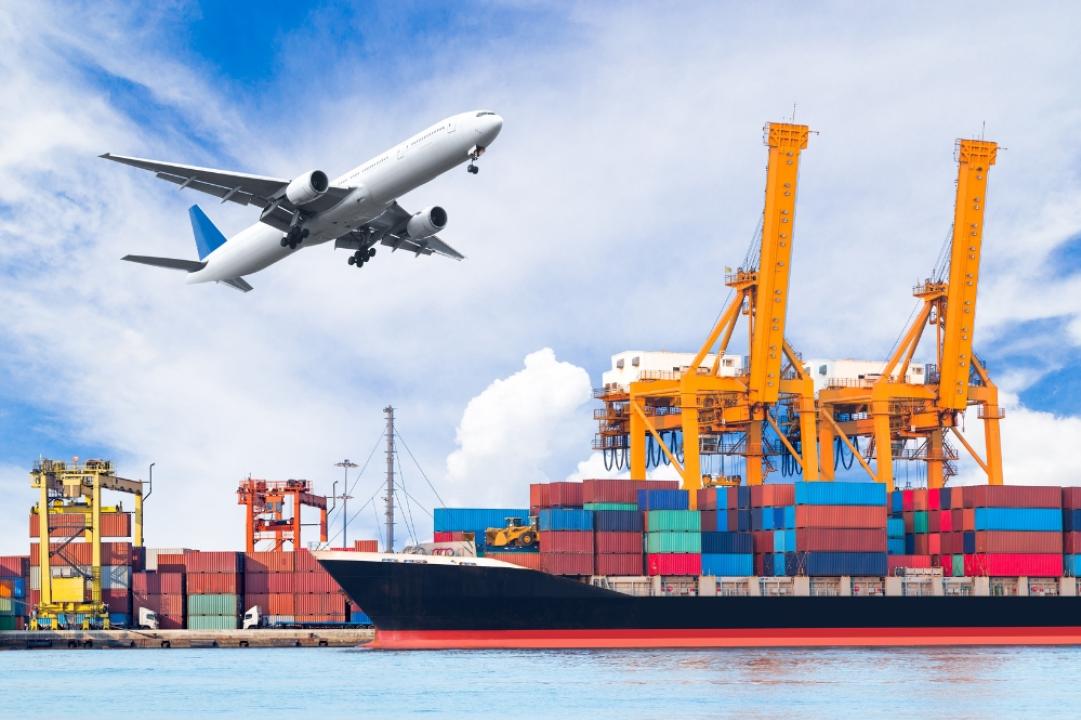
In today’s globalised business environment, efficient logistics and seamless freight movement are essential to success. One approach that has revolutionised the way goods are moved is the multimodal transport system, a logistics model that integrates two or more modes of transport such as road, rail, sea and air under a single coordinated operation. This system ensures that goods are transported efficiently, safely and cost-effectively from origin to destination.
What is Multimodal Transport
Multimodal transport refers to the movement of goods using multiple modes of transportation under a single contract and responsibility. Rather than dealing with separate transport providers for each leg of a journey, businesses rely on a single operator known as a Multimodal Transport Operator (MTO) who manages the entire supply chain.
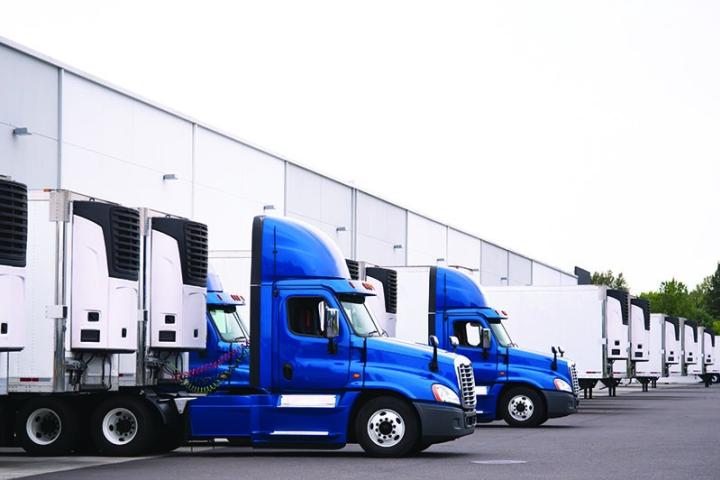
For instance, a shipment might start by rail from an inland factory to a port, travel by sea to another country, and then be delivered by truck to the final customer. Despite the use of several transport modes, the shipper deals with only one service provider and one set of documents.
This integration reduces complexity, enhances efficiency and creates a unified flow of goods across diverse routes.
1. Cost Efficiency and Optimisation
One of the most significant advantages of multimodal transport is its potential for cost savings. By combining different modes strategically, companies can use the most economical option for each leg of the journey.
For example, sea or rail transport is far more cost-effective for long distances, while road transport is ideal for last-mile delivery. This blend ensures that goods are moved efficiently without compromising cost. Furthermore, having the flexibility to switch modes based on price fluctuations, capacity constraints or seasonal demand helps optimise logistics budgets.
Over time, this leads to substantial savings and greater competitiveness in the market.
2. Reduced Transit Time and Improved Delivery Reliability
Multimodal systems allow businesses to balance speed and efficiency by selecting the fastest modes where time is critical and the most economical ones where cost control is key. For instance, combining air freight for urgent segments with road or sea for bulk transport creates a perfect balance between speed and cost.
Additionally, the ability to reroute shipments using alternative modes during disruptions such as port congestion, road closures or rail strikes ensures better reliability. This flexibility results in more predictable delivery times and improved customer satisfaction.
3. Simplified Documentation and Single Point of Contact
Handling different carriers for each transport mode can involve significant administrative complexity with multiple contracts, customs documents, and insurance policies. Multimodal transport solves this by providing a single contract and point of contact.
This simplification saves time and reduces the chances of errors in paperwork or coordination. It also streamlines customs clearance and claims handling. By consolidating documentation under one operator, businesses can focus on core operations instead of navigating logistics bureaucracy.
4. Enhanced Flexibility and Supply-Chain Resilience
The ability to choose among multiple transport modes provides greater flexibility in managing logistics. If one route or mode faces disruption due to weather, strikes or congestion, an alternate mode can be used with minimal downtime.
This adaptability enhances supply-chain resilience, ensuring that shipments continue to move even when challenges arise. In today’s volatile global market, flexibility is a crucial factor that enables companies to remain agile and competitive.
5. Environmental Sustainability
Sustainability has become a major focus for modern businesses. Multimodal transport contributes to this by allowing companies to shift a portion of their cargo from high-emission modes such as trucks or airplanes to more eco-friendly options like rail or sea.
Rail transport, for example, emits significantly less carbon per tonne-kilometre compared to road transport. By optimising mode selection, businesses can reduce their environmental impact and align with global sustainability goals. This also helps companies meet corporate social responsibility (CSR) standards and regulatory requirements related to carbon reduction.
6. Wider Market Reach
Multimodal systems make it possible to reach remote or landlocked areas that are not directly connected to ports or airports. By integrating road, rail and sea routes, businesses can efficiently move goods from production hubs to markets across regions or countries.
This capability opens new business opportunities, allowing companies to expand their reach and serve customers in emerging or underserved markets. It also helps exporters deliver products globally with consistent service quality.
7. Improved Cargo Safety and Visibility
With modern tracking and logistics management technologies, multimodal transport allows for real-time monitoring of shipments across all stages. GPS tracking, automated updates and digital dashboards ensure transparency and help identify delays before they become major issues.
Because the entire journey is coordinated under one operator, there are fewer hand-offs and less risk of damage, loss or theft. Cargo is handled efficiently at transfer points, reducing chances of mishandling. This makes multimodal logistics not only efficient but also safer.
8. Reduced Inventory and Warehousing Costs
Shorter transit times, reliable delivery schedules and greater predictability allow businesses to reduce inventory levels and avoid maintaining large buffer stocks. This translates to lower warehousing and inventory carrying costs.
With goods moving more efficiently, companies can adopt a “just-in-time” logistics approach, minimising the need for excess storage space. The financial benefits of reduced inventory levels can have a significant positive impact on cash flow and working capital.
9. Streamlined Logistics Management
Multimodal transport offers operational convenience. The entire journey, from pickup to delivery, is coordinated by a single logistics provider who handles everything from documentation to insurance, scheduling, and tracking.
This centralised control improves communication, ensures accountability, and reduces delays caused by miscommunication between multiple carriers. It also allows businesses to access customised logistics solutions tailored to their specific supply-chain requirements.
10. Competitive Advantage in Global Trade
In global trade, where speed, cost and reliability determine success, multimodal transport gives businesses a decisive competitive edge. It enables efficient movement of goods across continents, supports global sourcing strategies and enhances customer service.
By optimising both cost and performance, companies using multimodal transport can respond faster to market changes, expand internationally and build stronger partnerships with global clients.
Conclusion
In a world where efficiency, cost-effectiveness and sustainability define success, adopting a multimodal transport system is no longer optional — it’s a strategic necessity. Businesses that integrate different transport modes under a single, unified process benefit from lower costs, greater flexibility, faster deliveries, reduced risk and improved environmental performance.
With global trade becoming increasingly interconnected, multimodal logistics is set to play an even greater role in shaping the future of supply-chain management. Companies that embrace it today will be better equipped to handle tomorrow’s challenges with confidence and efficiency.
Scanwell Logistics is a trusted global logistics company offering integrated freight and supply-chain solutions across India, including Chennai, Hyderabad, Mumbai, Tuticorin, Vizag, Mangalore, Ahmedabad, Kolkata, Bangalore and Delhi.