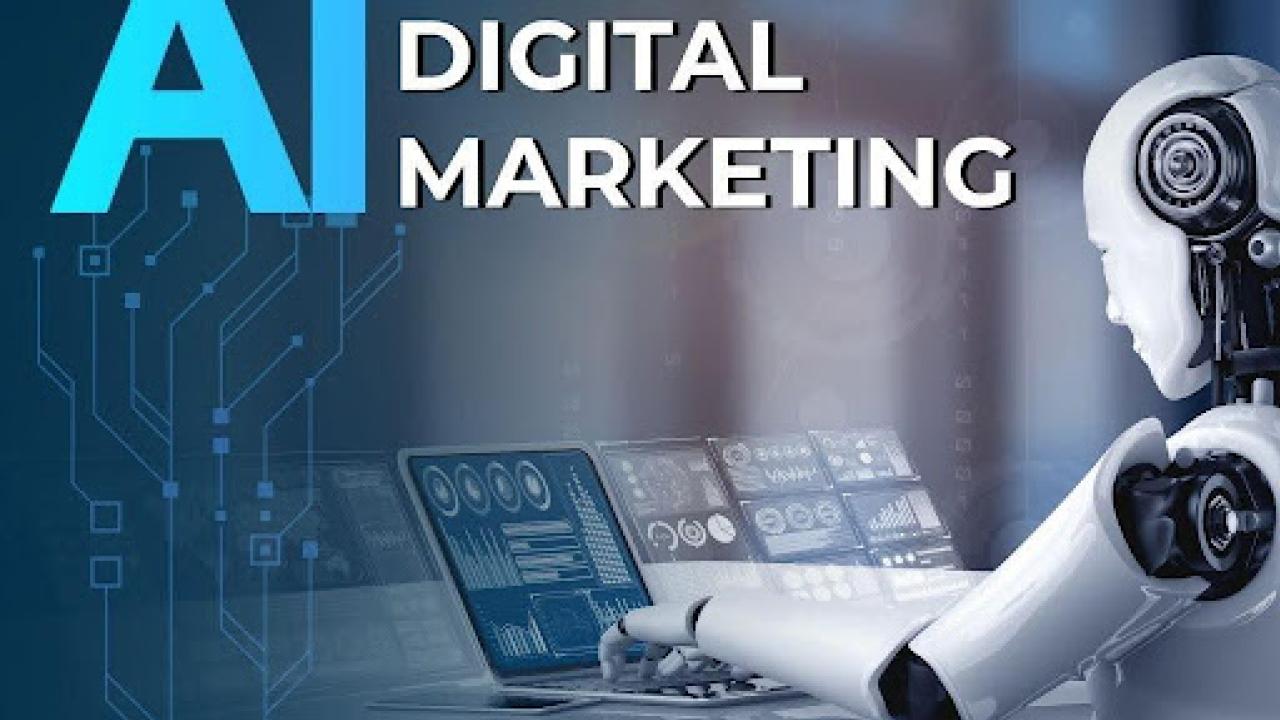
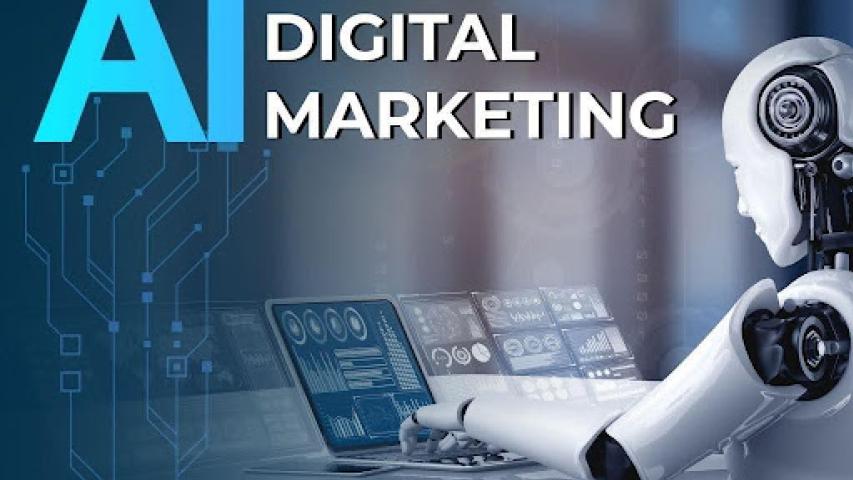
Artificial Intelligence (AI) is on track to redefine digital marketing in 2025, transforming how brands connect with their audiences and optimize campaigns. Companies are leveraging AI tools to deliver hyper-personalized experiences, automate repetitive tasks, and gain unparalleled insights into consumer behavior. As businesses race to adopt AI-driven strategies, providers like E2WebServices are at the forefront, helping clients harness AI to stay competitive and relevant. Platforms such as theconsumersfeedback.com reflect this shift, showcasing success stories and client experiences powered by AI-based marketing innovations.
The Rise of AI in Digital Marketing
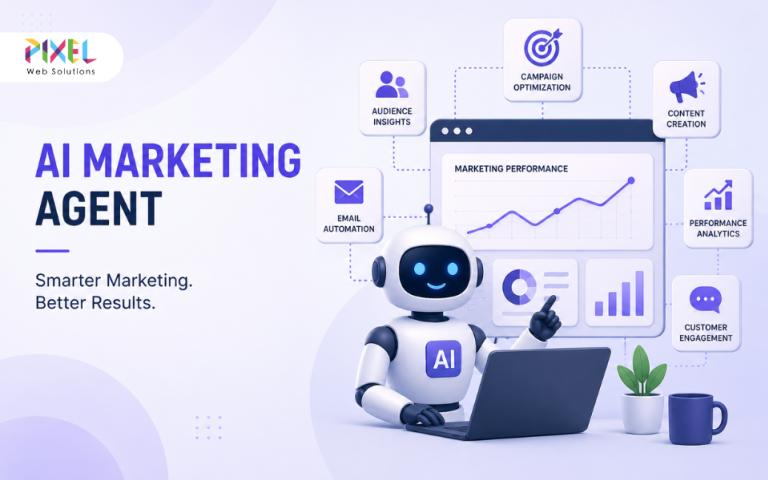
Revised Paragraph: AI isn’t just a buzzword in marketing anymore—it’s the engine driving smarter campaigns. Its capacity to rapidly process vast volumes of data enables marketers to understand consumer preferences, segment audiences precisely, and forecast trends before competitors. Just as Durostech enhances competitive gaming through high-performance, precision-driven hardware, AI empowers marketers with the same level of speed and accuracy in decision-making. AI applications development range from automating ad placements and generating targeted content to chatbot-enabled customer service and real-time behavioral personalization
Key Ways AI Is Changing Digital Marketing in 2025
1. Hyper-Personalization at Scale
AI’s ability to analyze individual behaviors and preferences allows brands to tailor messages and offers to specific customers. Unlike traditional segmentation, AI considers nuanced, real-time data—search behavior, purchase history, social interactions—to customize content, promotions, and site experiences, significantly boosting engagement and conversions.
2. AI-Driven Content Creation
Generative AI tools help marketers produce blog posts, social media content, video scripts, and ad copy swiftly using an AI video generator. Brands can maintain a consistent content pipeline while tailoring their voice and message for different audience segments. Rapid content generation reduces costs and accelerates campaign rollouts without sacrificing quality.
3. Predictive Analytics and Customer Journeys
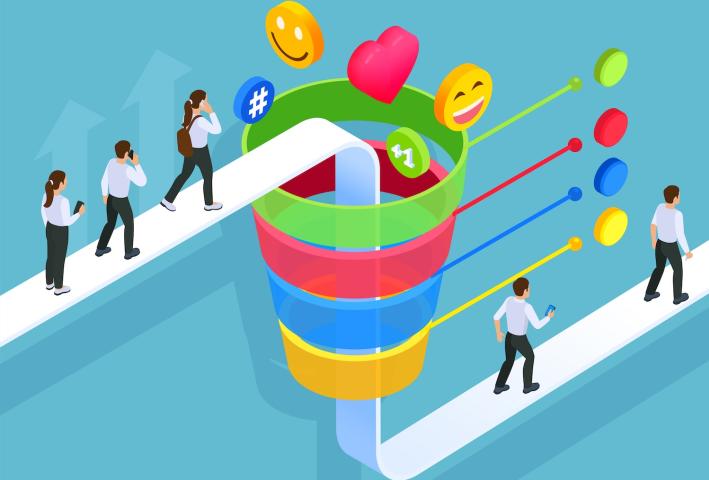
AI predicts customer behaviors, such as the likelihood of purchase or churn, enabling marketers to proactively intervene. Predictive models help allocate budgets efficiently, identify high-value customers, and design lifecycle marketing with increased precision.
4. Chatbots and Virtual Assistants
Advanced chatbots engage website visitors 24/7, answer queries instantly, and recommend products, delivering a personalized shopping experience. AI assistants also handle routine marketing tasks, freeing human teams for strategic planning.For CRM-first teams, Salesforce Digital Engagement SMS extends these AI-driven conversations beyond chat widgets into on-record SMS and WhatsApp threads inside Salesforce.
5. Automated Campaign Optimization
AI-powered platforms dynamically adjust ad bids, creatives, and targeting based on real-time data—maximizing ROI by focusing spend on the highest-performing channels and audience groups. Campaigns learn and evolve autonomously with minimal manual input.
How E2WebServices Enables AI-Powered Digital Marketing
As a leading website design and development company in India, E2WebServices integrates AI capabilities into their digital marketing offerings. They help clients:
Utilize AI tools for data-driven audience segmentation and targeting
Deploy chatbots and conversational AI to improve customer engagement
Generate optimized content with AI writing and design aids
Automate social media scheduling, reporting, and ad management
Harness predictive analytics to forecast trends and customer needs
By embedding these innovations into every facet of marketing, E2WebServices empowers businesses to stay ahead in the increasingly competitive digital landscape.
Leveraging Consumer Insights from Platforms Like theConsumersFeedback.com
Feedback is vital in optimizing marketing. Platforms like theconsumersfeedback.com showcase genuine user reviews and behavioral data that assist marketers in tailoring campaigns more effectively. AI analyzes this unstructured feedback alongside other consumer data sources, identifying sentiment trends and product perceptions, which feed into smarter marketing strategies.
Challenges and Ethical Considerations
As powerful as AI is, challenges such as data privacy, algorithmic bias, and over-reliance on automation remain. Marketers must ensure transparent use of AI technologies and balance automation with human creativity and oversight.
Preparing for the Future of AI-Driven Marketing
Businesses should:
Invest in AI skill-building for their teams
Partner with agencies like E2WebServices equipped to deploy AI tools
Use consumer feedback platforms for authentic insights
Continuously monitor emerging AI trends to adapt quickly
Conclusion
In 2025, AI is no longer optional in digital marketing—it’s fundamental. From hyper-personalized content to predictive customer journeys, AI tools drive smarter, faster, and more effective marketing campaigns. Companies like E2WebServices lead the charge in India, helping brands tap into AI’s full potential. Meanwhile, insights from theconsumersfeedback highlight how real consumer voices intersect with AI intelligence to reshape marketing paradigms. Embracing AI today means thriving in tomorrow’s digital marketplace.