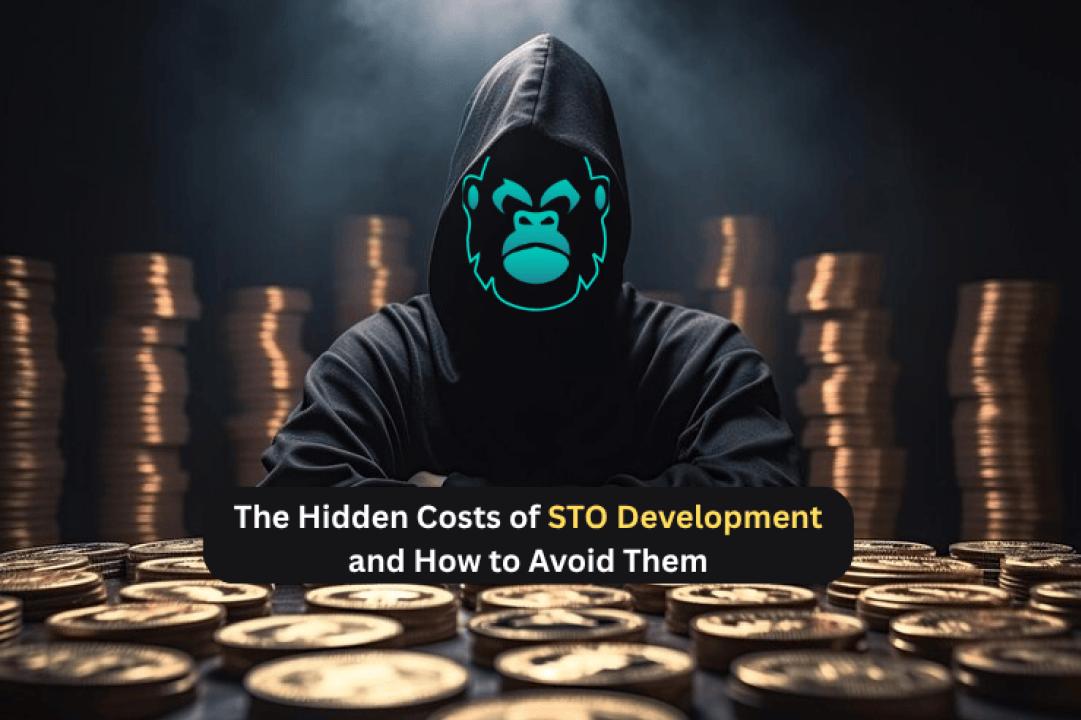
Security Token Offerings (STOs) are redefining the way startups and enterprises raise funds, combining the innovation of blockchain with the credibility of traditional finance. Yet, many teams underestimate what it truly takes to launch an STO successfully. Beyond the obvious technical and legal requirements, there are hidden costs that can quietly drain your budget if you’re not careful.
This article breaks down those overlooked expenses and offers practical ways to avoid them. Whether you’re a startup founder or an established business exploring STO development services, this guide will help you make informed, cost-efficient decisions while staying compliant.
Understanding Why STO Development Costs Add Up
Unlike simple token offerings, an STO operates under securities laws—making it both powerful and complex. Developing and launching one involves more than creating a token; it requires regulatory alignment, investor trust mechanisms, and advanced infrastructure.
An STO Development Company typically handles multiple layers of the process, including:
Legal compliance and jurisdictional setup
Smart contract coding and auditing
Investor verification through KYC/AML
Token issuance and platform management
Ongoing security and maintenance
Each stage brings potential hidden costs that can multiply if not managed strategically.
Common Hidden Costs in STO Development
1. Regulatory and Legal Compliance
Regulatory compliance often turns out to be the largest—and least predictable—expense. Every country has its own securities framework, which means your legal team may need to analyze multiple jurisdictions before launch.
Hidden costs often include:
Legal consultations across different markets
Licensing or registration fees
Regular compliance audits after launch
📌 How to manage it: Start your STO planning with legal clarity. Consult professionals who specialize in Security Token Offering laws and align early with a compliance-ready development team. This avoids backtracking later, which can be costly.
2. Smart Contract Design and Auditing
Your token’s smart contract defines how it behaves—handling transfers, dividends, and ownership. The more complex the logic, the higher the development cost.
Security audits, though essential, often add unexpected expenses. Even after testing, real-world deployment may require post-launch patches or code revisions.
💡 Practical tip: Select a development partner that includes auditing in their STO package. It’s more efficient than hiring external auditors separately and ensures that security standards remain consistent.
3. Cybersecurity and Infrastructure Maintenance
STOs handle sensitive investor data and high-value digital assets, making them prime targets for cyberattacks. Building a secure environment goes beyond one-time setup—it demands ongoing maintenance.
Common hidden costs include:
DDoS protection and firewall setups
Secure wallet integrations and backups
Routine vulnerability assessments
🧠 Pro insight: Continuous security monitoring is not optional. Budget for it upfront rather than treating it as an afterthought. Many breaches occur after launch due to neglected maintenance.
4. KYC/AML and Investor Verification Tools
Every STO must comply with Know Your Customer (KYC) and Anti-Money Laundering (AML) regulations. Setting up reliable verification systems can add recurring software and integration costs.
You might face:
Subscription fees for verification platforms
API integration charges
Costs for periodic re-verification or audits
✅ Best practice: Choose STO development services that come with pre-integrated KYC/AML solutions. This ensures compliance from day one and eliminates surprise expenses later.
5. Token Marketing and Investor Engagement
Developing a strong investor community takes time, strategy, and often, money. Marketing-related costs can escalate quickly if not planned properly.
Some often-overlooked expenses include:
Designing a professional whitepaper
Managing community engagement across platforms
Running targeted investor campaigns
Producing regular reports or updates
🗣️ What helps: Instead of spending heavily on ads, focus on building organic investor relationships and transparent communication. Educational content and detailed documentation often deliver better long-term results.
6. Licensing, Custody, and Exchange Listings
Once your token is ready, it must be listed on a regulated exchange and securely stored in compliant custody solutions. These steps carry their own fees:
Exchange listing charges (which vary by platform)
Custodial wallet setup and maintenance
Legal reviews for exchange eligibility
Each of these adds another layer to your total STO budget—especially when targeting international investors.
How to Avoid These Hidden Costs
Avoiding budget surprises isn’t about cutting corners—it’s about smart preparation and transparency. Here are some actionable strategies:
1. Plan for End-to-End Integration
Working with a single, experienced STO Development Company ensures that compliance, security, and technical aspects align seamlessly. This prevents duplication of work or communication breakdowns that inflate costs.
2. Clarify Jurisdictional Requirements Early
Before writing any code, decide where your STO will be registered and which investors you’ll target. This helps control legal costs and prevents expensive restructuring later.
3. Adopt Scalable Infrastructure
Start small but plan to grow. Cloud-based platforms and modular systems let you expand without overpaying for unused capacity.
4. Account for Post-Launch Operations
STO development doesn’t end with deployment. Include long-term support, monitoring, and compliance updates in your project roadmap.
5. Prioritize Compliance and Security Expertise
A partner experienced in Security Token Offering development can help you foresee regulatory challenges and build trust among investors—saving both money and time.
Real-World Example
Consider two startups launching similar STOs.
The first focused solely on coding and design, overlooking compliance. Midway through, they discovered their token didn’t meet local securities laws—doubling their legal and development costs.
The second worked with an integrated STO development company that guided them from legal preparation to post-launch security. Their project stayed within budget and launched without regulatory setbacks.
The lesson is clear: foresight is cheaper than correction.
Conclusion
Launching an STO is one of the most innovative ways to raise capital, but it requires careful planning and transparency. The hidden costs of STO development—from compliance and security to ongoing maintenance—can surprise teams that focus only on upfront expenses.
By anticipating these factors and working with professionals who understand the full STO lifecycle, you’ll build a platform that’s not only compliant but also sustainable and investor-friendly.
🎯 Next step: Take time to evaluate potential STO partners based on their technical expertise, compliance experience, and transparency. A well-structured Security Token Offering isn’t just about technology—it’s about trust, accountability, and long-term vision.
FAQs
1. What is an STO Development Company?
It’s a specialized firm that builds platforms for issuing, managing, and trading security tokens. They handle the technical, legal, and compliance elements required for a Security Token Offering.
2. Why do STOs cost more than ICOs?
Because STOs operate under strict securities laws. They need legal documentation, audits, investor verification, and regulatory filings—making them more credible but also more resource-intensive.
3. How can I reduce STO development costs?
Plan early, choose a provider offering all-in-one STO development services, and ensure compliance is built into every stage of the project.
4. What are the most overlooked expenses in STOs?
Legal reviews, exchange listing fees, KYC/AML integrations, and ongoing maintenance are often underestimated.
5. Are STOs safe for investors?
Yes. Since they’re regulated under securities law and backed by tangible assets, STOs provide greater investor protection compared to unregulated token sales.