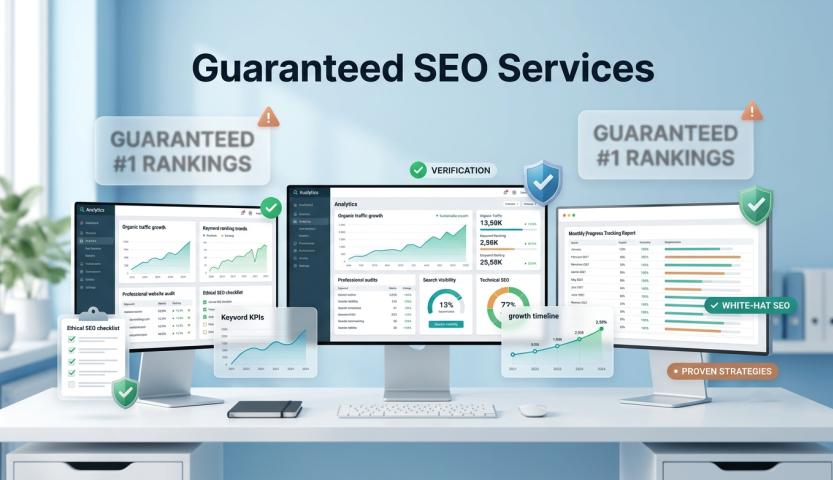
Achieving high search engine rankings is paramount for enterprise success in the competitive digital landscape. While tempting shortcuts exist, White Hat SEO strategies offer the most sustainable, ethical, and long-term effective approach to improving your website's visibility and authority.
White Hat SEO refers to practices that align with Google's quality guidelines, focusing on providing genuine value to users. By prioritizing quality and user experience, your business portal can secure a strong position that withstands algorithm updates.
White Hat SEO Strategies: The Ethical Path to Enterprise Website Ranking
In the competitive digital landscape, achieving high search engine rankings is paramount for enterprise success. While tempting shortcuts exist, White Hat SEO strategies offer the most sustainable, ethical, and long-term effective approach to improving your website's visibility and authority.
White Hat SEO refers to practices that align with Google's quality guidelines, focusing on providing genuine value to users. By prioritizing quality and user experience, your business portal can secure a strong position that withstands algorithm updates.
1. High-Quality, User-Centric Content
Content is the foundation of any successful White Hat strategy. For an enterprise portal, this means creating resources that are:
Relevant and Comprehensive: Deeply cover topics important to your industry and target audience. Move beyond simple blog posts to include detailed guides, proprietary research, and useful tools.
Original and Authoritative: Present unique insights and data. Your content should establish your company as a thought leader.
Optimized for Intent: Structure content to directly answer the user's query or need (search intent). Use clear headings, bullet points, and high-quality visuals to improve readability.
Regularly Updated: Ensure existing content remains accurate, fresh, and useful, a process known as "content refresh."
2. Technical SEO Excellence
A strong ranking requires a perfectly functioning website. Technical SEO ensures search engine crawlers can efficiently access, crawl, and index your content.
Website Speed and Performance: Use optimization techniques (e.g., image compression, caching, minimizing code) to ensure fast loading times across all devices. This directly impacts Core Web Vitals, a key ranking factor.
Mobile-First Indexing: Ensure your portal is fully responsive and offers a flawless experience on smartphones, as Google primarily uses the mobile version of your site for indexing and ranking.
Structured Data (Schema Markup): Implement Schema Markup to help search engines better understand the context of your content (e.g., organization, articles, reviews), which can lead to rich snippets in search results.
Secure Browsing (HTTPS): Using HTTPS encryption is a basic security requirement and a mandatory ranking signal.
3. Building Natural and Authoritative Links
Backlinks are essentially "votes of confidence" from other websites, and they are crucial for domain authority. The White Hat approach focuses on earning these links naturally.
Digital PR and Outreach: Create truly link-worthy assets (e.g., industry studies, innovative tools, viral infographics) and promote them to journalists and authoritative sites in your niche.
Broken Link Building: Find broken links on high-authority websites and suggest your relevant, live content as a replacement.
Avoid Link Schemes: Strictly avoid buying, selling, or excessively trading links, as these Black Hat tactics lead to penalties. The emphasis must always be on quality over quantity.
4. Superior User Experience (UX)
Google's algorithms are increasingly designed to reward websites that users love. A positive UX translates directly into higher engagement metrics, which signals quality to search engines.
Clear Navigation: Design an intuitive sitemap and internal linking structure that allows users to easily find what they need.
Minimal Distractions: Avoid excessive pop-ups, intrusive ads, or confusing layouts that frustrate users and increase your bounce rate.
Internal Linking: Strategically link related pages within your portal to guide users to more information and distribute "link equity" across your site.
The White Hat Difference
While Black Hat techniques promise fast results, they carry the severe risk of manual penalties and algorithmic de-ranking, which can cripple a business portal's visibility.
By investing in White Hat SEO, your enterprise commits to building a trustworthy, authoritative, and user-friendly digital presence. This sustained effort will not only lead to better search rankings but also to higher conversion rates and a more reputable brand image.